
Completed Projects
Happy Customers
Projects in Progress
New Orders This Week
Why Steel Works in Utah
Steel buildings work in Utah when the frame is engineered for the parcel, because Utah loads change with elevation, not just by county. US Patriot Steel is a Fort Lauderdale dealer of pre-engineered steel building kits made from American steel since 2005, and our metal buildings in Utah arrive with PE-stamped drawings for their address.
Snow enters the drawings as a ground snow load that rises with elevation: Utah’s residential code table runs from 21 psf in St. George to 67 psf in Monticello. The Wasatch Fault follows the Wasatch Front, where a magnitude 5.7 earthquake struck near Magna on March 18, 2020; bracing and anchor bolts are sized to your site’s seismic design category, a code load, not a promise.
Downslope canyon winds hit the Wasatch Front: on September 8, 2020, gusts reached 99 mph in Davis County. For hay and livestock barns, start with our metal barns. Summers around St. George bring days over 100°F, and northern winters run long; our guide to insulating a metal building covers both.
Foundations go below your city’s frost line, 30 inches in Salt Lake City, and a local engineer designs the footing. Permits, farm buildings and floodplains are in the codes and permits section below.
Utah at a Glance
What We Engineer for:
Ground snow load set for your site and rising with elevation: 21 psf in St. George, 67 psf in Monticello on the state table
The Wasatch Fault follows the Wasatch Front; Salt Lake City assigns Seismic Design Category D, and your site’s category goes on the drawings
Design wind speed under ASCE 7-22 from your city’s design criteria; canyon winds gusted to 99 mph in Davis County in September 2020
Days over 100°F around St. George, mountain winters up north; insulation is planned with the frame
One state code for all of Utah, the 2024 IBC since July 1, 2026; your city or county issues the permit, and farm buildings follow their own rule
Building Codes and Permits in Utah

One State Construction Code covers all of Utah: under Utah Code §15A-2-103, the 2024 International Building Code and the 2021 International Residential Code have applied since July 1, 2026, with statewide amendments that take structural loads from ASCE 7-22. Cities and counties generally cannot adopt stricter rules on subjects the state code covers; your building department is the authoritative source.

Your city issues the permit inside its limits, the county on unincorporated land. We don’t pull the permit; we supply PE-stamped drawings, load calculations and specifications for your application.

Your drawings state the site’s ground snow load and seismic design category, and the frame and anchor bolts are sized to them. For homes and accessory buildings, Utah’s residential amendments point to the Utah Snow Load Study for sites off the state table; for commercial buildings, Salt Lake City sends designers to the ASCE Hazard Tool. Send us the parcel address, not just the county.

Under Utah Code §15A-1-204, a structure used only for agriculture and not for human occupancy is exempt from the State Construction Code. It does not reach parcels under five contiguous acres inside a city or town, or two acres in a county-approved subdivision, and plumbing, electrical and mechanical work can still need permits. Check your parcel on the FEMA Flood Map Service Center, then ask your county about floodplain rules.
One State Construction Code covers all of Utah: under Utah Code §15A-2-103, the 2024 International Building Code and the 2021 International Residential Code have applied since July 1, 2026, with statewide amendments that take structural loads from ASCE 7-22. Cities and counties generally cannot adopt stricter rules on subjects the state code covers; your building department is the authoritative source.
Your city issues the permit inside its limits, the county on unincorporated land. We don’t pull the permit; we supply PE-stamped drawings, load calculations and specifications for your application.
Your drawings state the site’s ground snow load and seismic design category, and the frame and anchor bolts are sized to them. For homes and accessory buildings, Utah’s residential amendments point to the Utah Snow Load Study for sites off the state table; for commercial buildings, Salt Lake City sends designers to the ASCE Hazard Tool. Send us the parcel address, not just the county.
Under Utah Code §15A-1-204, a structure used only for agriculture and not for human occupancy is exempt from the State Construction Code. It does not reach parcels under five contiguous acres inside a city or town, or two acres in a county-approved subdivision, and plumbing, electrical and mechanical work can still need permits. Check your parcel on the FEMA Flood Map Service Center, then ask your county about floodplain rules.
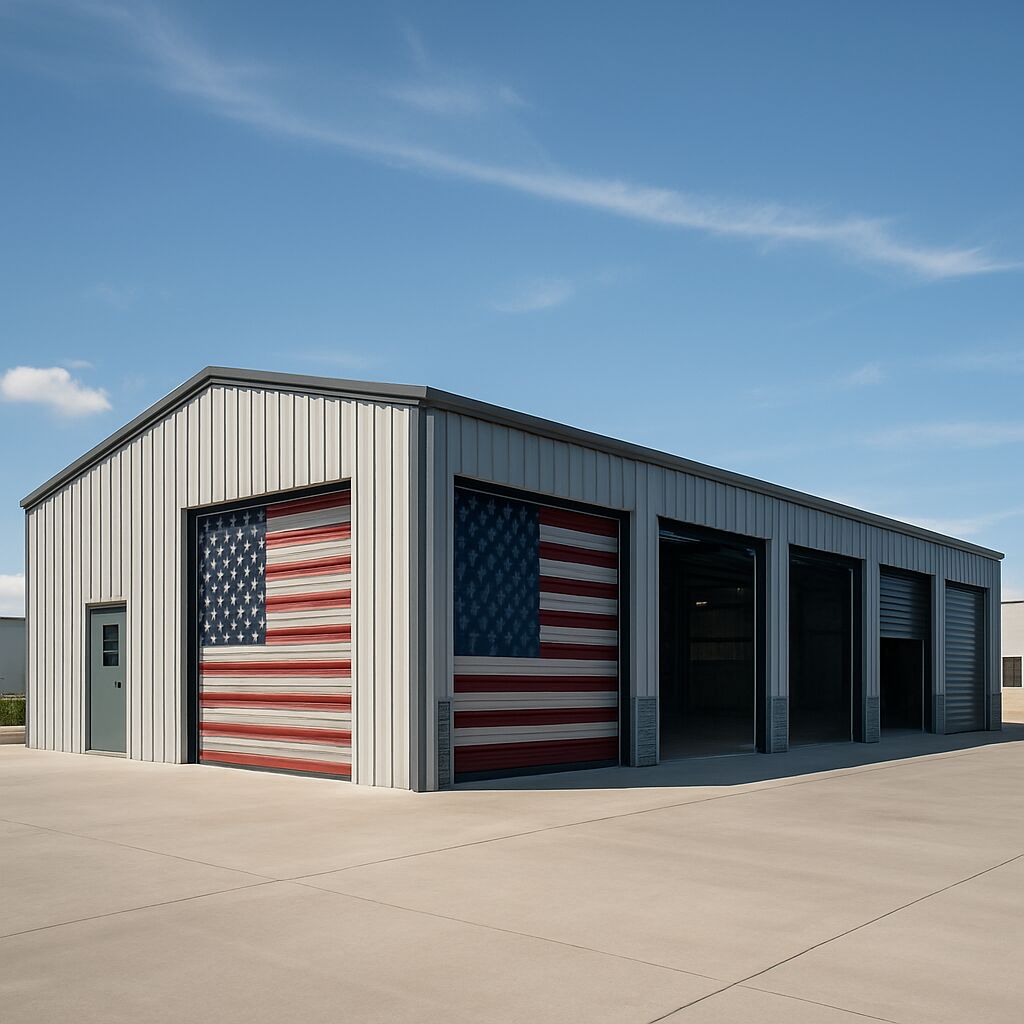
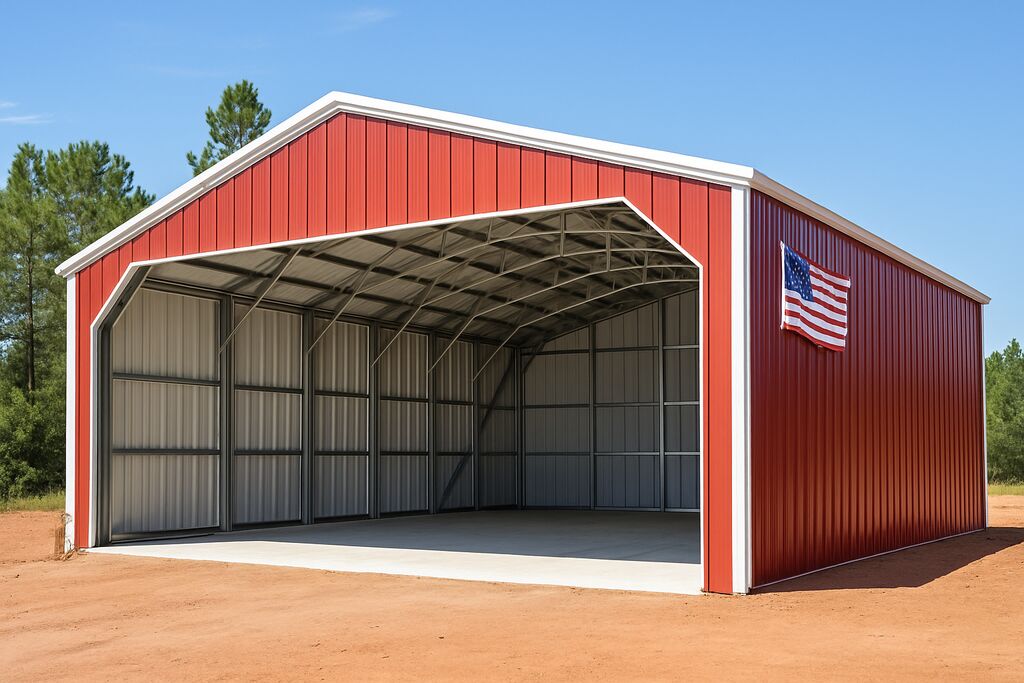
Steel Buildings We Deliver Across Utah

What a Steel Building Costs in Utah
The price of a steel building in Utah follows its size, its finish level and the loads its parcel carries: a mountain parcel adds steel for snow, a Wasatch Front lot adds seismic detailing, and a desert lot around St. George needs less. We quote metal building kits for sale across Utah parcel by parcel.

From 20×20 to 30×40: garages, RV garages and small workshops.
From 30×50 to 40×80: hay and livestock barns, horse barns, workshops with an office.
From 60×80 up: warehouses, equipment buildings and storefronts with offices.
One 40×60 is three different frames: mountain snow sets the steel around Heber City, 60 psf on the state table, seismic detailing adds to it in Salt Lake County, and St. George at 21 psf needs far less.
The $ tier is the kit itself: frame, roof and wall panels. Insulation, liner panels and roll-up doors move it to $$, a heated office inside to $$$. Our metal building cost guide shows dollar figures by size.
From 20×20 to 30×40: garages, RV garages and small workshops.
From 30×50 to 40×80: hay and livestock barns, horse barns, workshops with an office.
From 60×80 up: warehouses, equipment buildings and storefronts with offices.
One 40×60 is three different frames: mountain snow sets the steel around Heber City, 60 psf on the state table, seismic detailing adds to it in Salt Lake County, and St. George at 21 psf needs far less.
The $ tier is the kit itself: frame, roof and wall panels. Insulation, liner panels and roll-up doors move it to $$, a heated office inside to $$$. Our metal building cost guide shows dollar figures by size.
How Utah Owners Use Steel Buildings by Region
Wasatch Front (Salt Lake City, Ogden, Provo, Lehi, Tooele; Salt Lake, Davis, Weber, Utah, Tooele counties)
About three in four Utahns live in Salt Lake, Utah, Davis and Weber counties, the strip the Wasatch Fault follows. Owners around Salt Lake City put garages and shops on suburban lots; businesses along I-15 through Utah County add service buildings and metal office buildings, and Tooele Valley adds equipment buildings.
See also: Metal warehouses · Metal auto dealerships
Northern Utah: Cache Valley and Box Elder (Logan, Brigham City, Tremonton; Cache, Box Elder counties)
Northern Utah is hay and dairy country: forage is Utah’s largest crop at about 629,000 acres in 2022, and Cache County ranks third in the state for milk sales. Farms around Logan and Tremonton need dry storage for bales and shelter for cattle through long winters. Start with our metal hay barns.
See also: Livestock barns · Metal farm buildings
Central and Eastern Utah (Heber City, Vernal, Roosevelt, Price, Ephraim; Wasatch, Uintah, Duchesne, Carbon, Sanpete counties)
Central Utah’s high valleys carry heavier snow. Horse owners around Heber City need stalls and a tack room; see our horse barns and stables. Around Vernal and Roosevelt in the Uinta Basin, oilfield service companies want wide doors for trucks. Sanpete County held about 3.3 million of Utah’s 3.6 million turkeys in 2022, and near Price and Ephraim owners put a shop and a home under one roof in a barndominium.
See also: Tractor barns · Barn with living quarters
Southern Utah (St. George, Cedar City, Hurricane, Moab; Washington, Iron, Grand counties)
Southern Utah runs on a different climate. St. George was the third-fastest-growing metro area in the country between 2010 and 2020, with hot desert summers, while Cedar City sits higher and its drawings carry a real snow load. Owners from Hurricane to Moab keep RVs and trailers under a carport or a closed bay, and a few build metal building homes. See our RV garages.
See also: Recreational steel buildings · Metal storage unit kits
What can we design for you today?
Talk to a building specialist to learn more!
Design Your Building NowFrequently Asked Questions
One state code applies across Utah: since July 1, 2026, it has been the 2024 International Building Code and the 2021 International Residential Code with statewide Utah amendments. Our drawings follow that edition, and its amendments take snow, wind and seismic loads from ASCE 7-22.
Not for the building itself: Utah Code §15A-1-204 exempts a structure used only for agriculture and not for human occupancy from the State Construction Code. The exemption stops at parcels under five acres inside a city or town, or two acres in a subdivision, and plumbing, electrical and mechanical permits may still be required. A garage or workshop on a home lot needs the usual permit.
A metal building in Utah needs the ground snow load set for its site, and that value rises with elevation: the state table runs from 21 psf in St. George through 60 psf in Heber City to 67 psf in Monticello. We design the roof and frame to that value and show it on the drawings.
Yes, steel buildings in Utah are engineered for the seismic design category of their site; Salt Lake City assigns Seismic Design Category D to commercial buildings. On the Wasatch Front, the Working Group on Utah Earthquake Probabilities puts the 50-year chance of a magnitude 6.75 or larger earthquake at 43 percent. The frame meets code loads; that is not a guarantee against every quake.
Yes, we deliver across Utah, from St. George to Logan and Vernal. On a remote parcel, make sure a truck can reach the pad; in winter, roads shape the timing. We confirm your production schedule and delivery window when your order is finalized. Your crew or a local erector assembles the building; if you want installation arranged, ask when you request your quote.
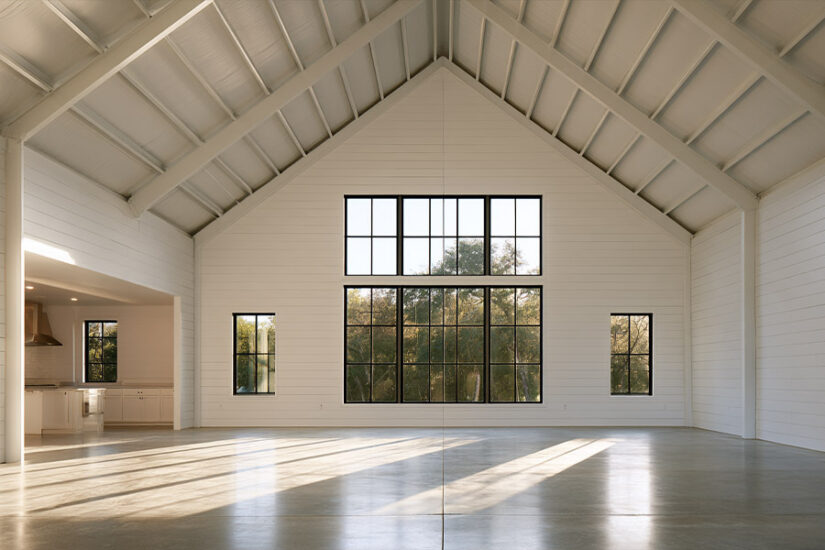
Barndominium Interior Ideas for a Steel-Frame Home
Quick Answer Barndominium interior ideas that hold up start with what the steel frame allows: an open floor with no load-bearing interior walls, and enough height for a loft or a vaulted great room. Behind the finishes, insulation and moisture control keep the rooms dry, and a separation wall divides living space from any shop. […]
Read Article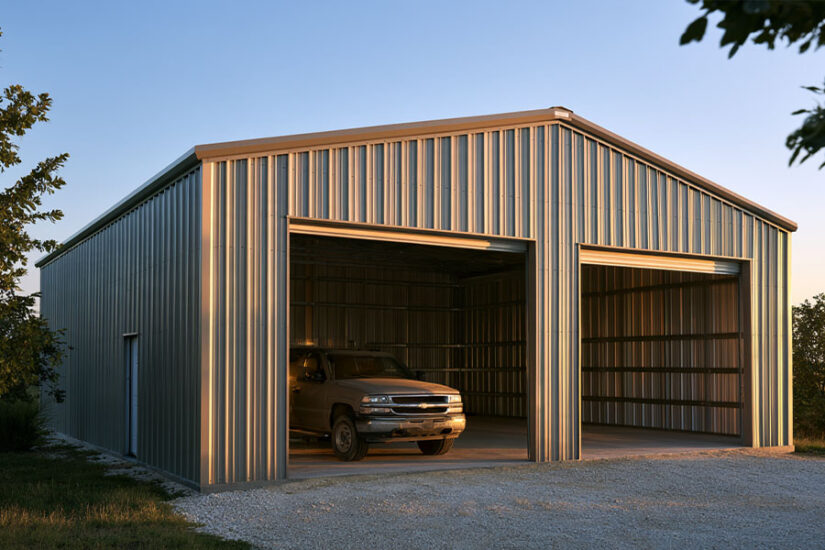
Standard Garage Sizes: 1-, 2- and 3-Car Garage Dimensions
Quick Answer Standard Garage Sizes at a Glance When people say “standard garage size,” they usually mean a two-car garage, and that is what most new houses get. In 2025, 64% of newly completed single-family homes had a two-car garage, according to the Census Bureau’s Characteristics of New Housing data. Garages for three or more […]
Read Article
What is a PEMB (Pre-Engineered Metal Building)?
Quick Answer What PEMB Stands for, and What the Industry Actually Calls it PEMB stands for pre-engineered metal building. Contractors and building officials use the acronym for a low-rise steel building that one manufacturer designs and supplies as a complete structural package. The same product appears in quotes under other names too: pre-engineered steel building, […]
Read Article
Red Iron Steel Buildings Explained
Quick Answer What Red Iron is and Where the Name Comes From Dealers and classified ads use “red iron” as if it were a material you could order by name. It isn’t. It’s trade shorthand for the heavy structural steel in the primary frame of a metal building, and the phrase stuck because the parts […]
Read Article
How Much Does it Cost to Build a Barndominium in 2026?
How much does it cost to build a barndominium? Nationally in 2026, a fully turnkey build with standard finishes runs $65 to $160 per square foot, and the steel or post-frame shell alone, the kit plus on-site assembly, runs $30 to $50 per square foot before any interior work starts (Source: HomeGuide, 2026). For a […]
Read Article
How Long Do Metal Roofs Last?
Quick Answer Types of Metal Roofing Panels and Why the Fastening System Matters Panel profile decides how a roof looks. Fastening system decides how long it holds up, and that second factor does more to separate the low end of the 30-to-50-plus-year range from the high end than the choice of steel itself. Three fastening […]
Read Article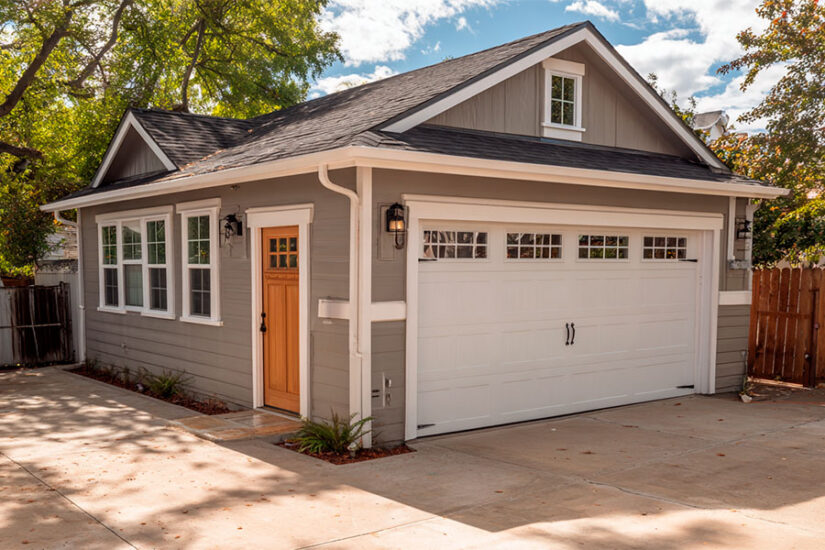
How to Convert a Garage into Living Space: A 2026 Cost and Code Guide
Converting a garage into living space is the process of insulating, sealing, finishing, and reclassifying a garage so it can be permitted and used as a bedroom, home office, family room, or accessory dwelling unit (ADU). The work costs $15,000 to $60,000 in most US regions in 2026, depending on scope, takes 3 to 10 […]
Read Article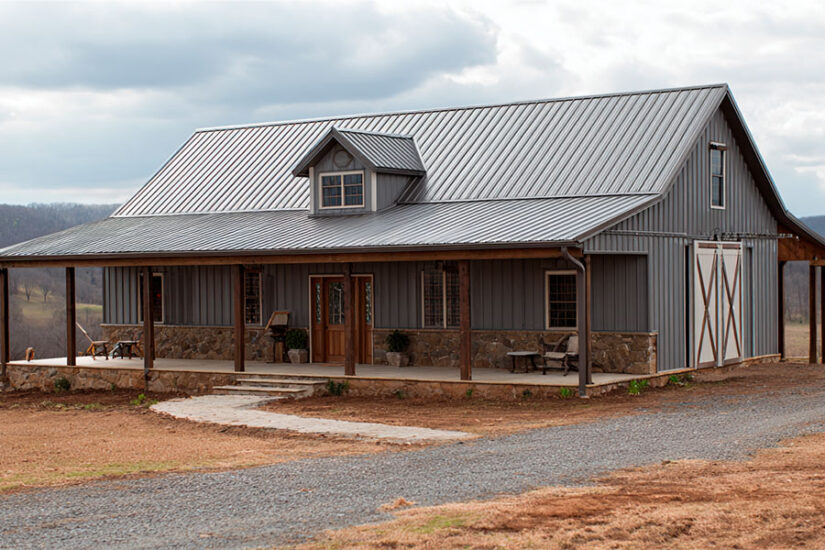
Pole Barn Houses: Costs, Plans, and What They Actually Are in 2026
A pole barn house is a residential home built on a post-frame structure: pressure-treated wood columns set into the ground or onto concrete piers, with a wood truss roof and metal sheeting for the walls and roof. It is closely related to the barndominium but distinct in one important way. A barndominium uses steel framing […]
Read Article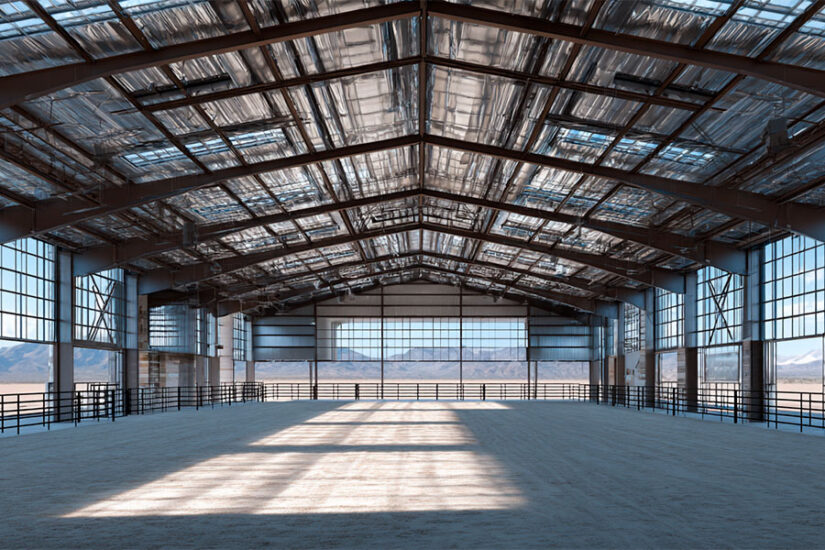
How to Build a Horse Arena: The Owner’s Practical Guide for 2026
The short version of building a horse arena: pick the site carefully, pull the permits, hand off the technical work to people who do it for a living, write a lot of checks, and wait eight to sixteen weeks for an indoor build (three to six for outdoor) before the first horse walks on the […]
Read Article