
Quick Answer
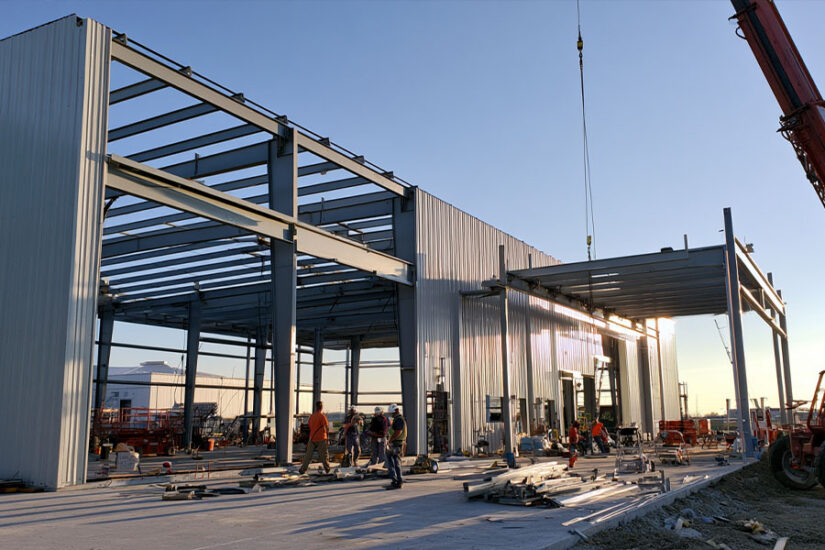
Adding a lean-to to a metal building is usually straightforward when the existing frame can carry the extra load, and most pre-engineered steel buildings are good candidates because the frame was engineered with a known capacity from the start. The typical process ties new framing into the existing wall girts or columns with a ledger board or header, matches the new roof’s pitch to shed water properly, and, in most jurisdictions, requires a permit before work begins. It’s easiest of all when the lean-to is planned into a new building’s design from the beginning. Retrofitting one onto a building that’s already standing takes more upfront assessment, but it’s a common project and one steel framing handles well.
- Existing steel frame: usually strong enough, but capacity should be confirmed before adding load
- New framing: ties into existing girts, columns, or a bolted ledger board
- Permit: required in most areas for any structural addition
- Roof pitch: matched to the main building and to local snow and drainage needs
- Easiest path: built into a new building’s spec instead of added later
How Easy is it, Really? What Determines the Difficulty
The honest answer is “it depends on what you’re attaching it to.” A lean-to added at the same time a metal building is ordered is close to the easiest structural addition there is, because the frame gets engineered for that extra load from day one. A lean-to bolted onto a building that’s already standing takes more work, not because steel resists it, but because someone has to confirm the existing structure can actually carry the new weight before anything gets attached.
Four things drive most of that difficulty. First, what the existing structure is made of: a pre-engineered steel frame is generally a better starting point than a wood post-frame building, since steel buildings are designed with known, documented load capacities rather than field-estimated ones. Second, whether the lean-to was part of the original plan or is being added after the fact. A kit-integrated lean-to skips the assessment step entirely. A retrofit doesn’t. Third, local permit requirements, which apply to nearly any addition that changes a structure’s footprint or load path. Fourth, matching the new roof’s pitch and drainage to the existing building so water sheds away instead of pooling at the seam.
None of these factors make a lean-to a bad idea. They just determine how much planning happens before the first purlin goes up.
Adding a Lean-to to a Garage
This is the single most common version of this project, and it comes with its own set of practical questions that a generic “metal building” answer doesn’t fully cover.
Most garage lean-to additions fall into one of three uses: extra storage for tools and yard equipment, a covered spot to park a vehicle or trailer without building a second full bay, or a small open-sided workspace for projects that don’t need a fully enclosed room. Which one applies changes how the lean-to gets framed. A storage lean-to can run narrower and lower. A vehicle bay needs enough clearance height and depth to actually fit what’s parking under it, plus clearance from the garage door track so the door can still open fully.
Garage-specific issues show up in a few predictable places. The garage door itself is one: a lean-to roofline that ties in too low can interfere with the door’s swing or track hardware, so the attachment height has to clear that before anything else gets designed. Roof drainage between the two structures is another. Where the lean-to roof meets the garage wall, water needs a clear path off both roofs, not a valley where the two meet and trap runoff against the wall. A gutter and downspout routed to carry that combined runoff away from the foundation is a small detail that prevents a much bigger problem later.
Garage lean-to projects also split cleanly between retrofit and new-build, same as the broader topic. Someone with an existing garage is working within whatever frame is already there. Someone still shopping for a garage kit has the option to spec the lean-to in from the start and skip the retrofit assessment altogether. For a look at garage kits that can be configured with a lean-to bay already included, see US Patriot Steel’s metal garage kits.
Attaching a Lean-to to an Existing Metal Building (Retrofit)
Retrofitting is where most of the real engineering questions live, and it’s worth being direct about it: this isn’t a project to eyeball.
The physical connection usually comes down to one of two methods. A structural ledger board gets bolted into the existing wall girts or columns at the height where the new roof needs to start, and the lean-to’s rafters or purlins bear on that ledger. Alternatively, the new framing ties directly into the existing structural members, or into a new header installed in the sidewall, using metal building connectors made for that purpose. Either way, the connection has to transfer real roof, wind, and snow load into the existing frame, not just hold the new roof up cosmetically.
That’s exactly why the load question comes first. Pre-engineered steel buildings are designed to a specific, calculated capacity, and many of them don’t have much margin built in beyond what the original design called for. Before a lean-to gets attached, it’s worth having someone confirm the existing frame can take the additional load at that connection point, whether that means checking the original engineering specs or bringing in a structural engineer to review it. Skipping that step is the most common way a retrofit lean-to goes wrong, not because the framing work itself is hard, but because nobody checked what the wall could actually hold before loading it up.
Foundation and footing work for the new posts matters just as much as the connection above. A lean-to’s new support posts need footings sized for the local frost depth and soil conditions, tied in a way that doesn’t undermine the drainage around the existing building’s slab. For a broader look at footing and foundation options for steel structures, see US Patriot Steel’s metal building foundation guide.
The seam where the new roof meets the existing wall also needs proper flashing and weatherproofing, not just a caulk bead. A poorly sealed tie-in is one of the most common sources of leaks in additions of any kind, and it’s much cheaper to flash it correctly during construction than to chase a leak afterward.
Building a Lean-to at the Time of New Construction
If there’s a genuinely easy version of this project, this is it. When a lean-to is part of the original order instead of an afterthought, the primary frame gets engineered from the start to carry that additional roof load. There’s no existing structure to assess, no ledger board bolted onto a wall that wasn’t built expecting it, and no guesswork about whether the connection point can handle the extra weight.
That difference shows up in the timeline too. A kit-integrated lean-to goes up alongside the main structure in one continuous build, rather than as a separate project layered onto a finished building later. Anyone who already knows they want extra covered space, whether for equipment storage, a covered work area, or vehicle parking, generally comes out ahead by specifying it up front rather than planning to retrofit one after the fact.
For buyers weighing that option, US Patriot Steel’s metal buildings with a lean-to page covers configurations that come with the lean-to bay built into the base design.
DIY or Hire a Pro for a Lean-to Addition?
Some parts of this project are reasonable for an experienced DIYer. Others aren’t, and pretending otherwise is how additions end up with real problems.
Cosmetic and finish work is generally fair game for a capable DIYer: exterior panel installation once the frame is up, trim and flashing details, painting or finish coating, and interior finish-out if the lean-to is being closed in. None of that carries structural risk if it’s done carefully.
The structural side is a different category. Tying new framing into the existing building’s girts or columns, sizing and pouring footings for the new posts, and any work that requires a stamped engineering assessment of the existing structure’s load capacity are jobs for a contractor or engineer, not a weekend project. Permit inspections typically require sign-off on exactly this kind of structural connection, which is another reason to have it done to code the first time rather than retrofitted twice.
US Patriot Steel sells metal building kits and lean-to configurations rather than acting as a general installation contractor on every project, so whether installation support is available for a specific job is worth confirming directly when getting a quote. That’s a better source of a firm answer than a general guide like this one.
Building a Lean-to Roof: Pitch and Framing Basics
A lean-to roof is a single-slope roof, and getting the pitch right matters more than it might seem at first glance. The new roof’s slope needs to work with the existing building’s roofline where the two meet, and it needs enough pitch on its own to shed water and, in colder regions, snow load.
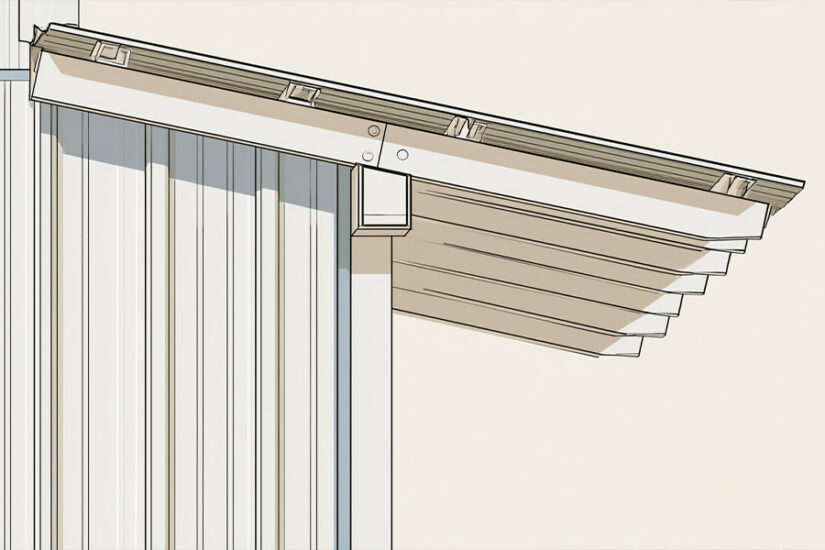
Most lean-to roofs run shallower than the main building’s roof, since the lean-to typically spans a shorter width and doesn’t need as steep a pitch to drain properly. The specific minimum depends on the roofing material: metal panel roofing generally needs more pitch than a fully sealed membrane roof to shed water reliably, and manufacturers publish a minimum recommended slope for each panel type. Whatever material gets used, the pitch should never run flatter than that manufacturer’s minimum, since a roof that’s too flat invites standing water and eventual leaks regardless of how well it was installed.
Snow load is the other variable that shapes the framing, not just the pitch. In regions with meaningful snow accumulation, the purlins and connection points need to be sized for that load in addition to the roof’s own weight, which is one more reason the framing plan for a lean-to should account for the specific site, not a generic template pulled from a different climate.
What to do Next
A few questions narrow this down fast. Is this going onto a building that already exists, or is it part of a new order? Is it attaching to a garage specifically, or another type of structure? And is this a DIY-and-hire-out-the-structural-parts project, or something to hand off entirely?
Call (888) 415-1576 or use the quote form to talk through the specifics of an existing building, a new lean-to configuration, or anything in between.
Frequently Asked Questions
In most cases, yes, especially compared to other structural additions. Steel buildings are engineered with known load capacities, which makes it easier to confirm whether the existing frame can carry a new lean-to. The main variable is whether the addition is planned from the start or retrofitted later; retrofits need a load assessment first, while kit-integrated lean-tos skip that step entirely.
Yes, and it’s one of the most common lean-to projects. The key considerations are specific to garages: clearance from the garage door and its hardware, roof drainage where the lean-to meets the garage wall, and confirming the existing wall structure can carry the new load. None of these rule out a garage lean-to, but they do need to be checked before construction starts.
In most jurisdictions, yes. Building permits generally apply to any structural addition that changes a building’s footprint or adds new load-bearing elements, and a lean-to typically falls into that category. Requirements vary by local building department, so it’s worth checking with the local permitting office before starting work rather than after.
Parts of it, yes. Finish work like panel installation, trim, and painting is reasonable for an experienced DIYer once the frame is up. The structural connection to the existing building, footings for new posts, and any required engineering assessment are better left to a contractor or engineer, since mistakes there affect the whole structure.
It depends on the roofing material and the local climate, but lean-to roofs are typically shallower than the main building’s roof. Metal panel roofing needs enough slope to shed water reliably, usually more than a sealed membrane roof requires, and the pitch should never go flatter than the manufacturer’s minimum for that panel type. Snow load in the local area also factors into the framing, not just the pitch.
New construction, by a clear margin. When a lean-to is part of the original order, the frame is engineered to carry that load from the start, with no existing structure to assess and no guesswork about connection capacity. A retrofit is still a common, doable project, but it requires confirming the existing building can handle the added load before any framing goes up.
More in this Guide
- Metal buildings with a lean-to: configurations with the lean-to bay built into the base design
- Metal garage kits: garage kits that can be configured with a lean-to
- Metal building foundation guide: footing and foundation options for steel structures
- How to insulate a metal building: insulation and ventilation for a lean-to used as enclosed workspace
- Convert a garage to living space: a related remodeling project for garage owners
- Commercial metal buildings: structural options for larger lean-to and canopy applications
References
- International Code Council (ICC). *International Existing Building Code (IEBC), Chapter 11: Additions.* Code provisions governing permits and structural requirements for additions to existing buildings. codes.iccsafe.org/content/IEBC2018P4/chapter-11-additions
- National Frame Building Association (NFBA). *Technical Resources.* Framing standards and design guidance for post-frame and accessory structures, including lean-to construction. nfba.org/aws/NFBA/pt/sp/tech-resources