
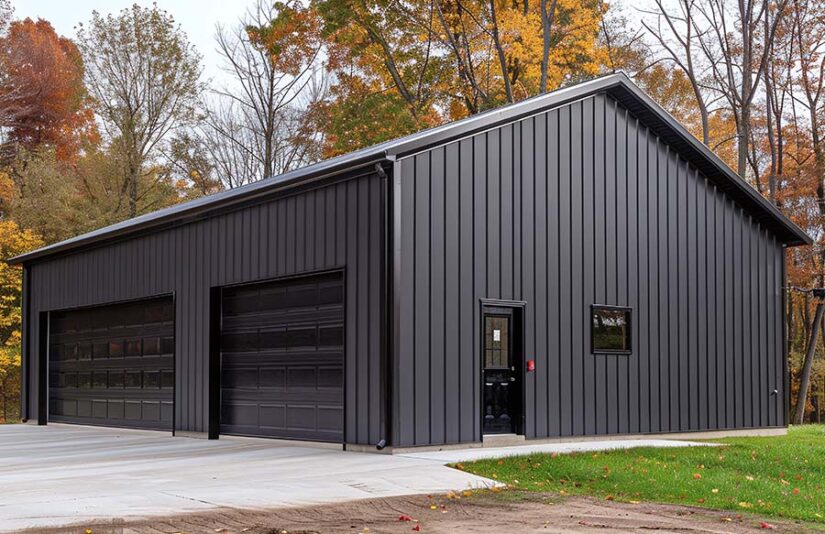
Planning a steel building – whether it’s a residential garage, a working farm barn, a personal workshop, or a commercial facility – is a significant investment. And while steel structures are known for their durability, affordability, and low maintenance, your planning process needs to be just as solid as the structure itself. At US Patriot Steel, we’ve worked with thousands of property owners across the U.S., and we’ve seen firsthand how early planning mistakes can lead to costly setbacks.
Here are the seven most common mistakes we see – and how to avoid them.
Skipping or Rushing the Site Preparation
Site preparation is often overlooked, but it’s absolutely critical. Your site is the foundation of your building – literally and functionally.
Common mistakes include:
- Building on a slope without proper grading
- Skipping soil compaction or geotechnical tests
- Ignoring water drainage patterns
These oversights can lead to serious consequences, such as water pooling around the foundation, uneven settling, or even structural failure over time.
What to do instead:
- Grade the land to ensure it’s level and drains properly.
- Test soil composition to verify load-bearing capacity.
- Consider future landscaping or access needs for vehicles and equipment.
We’ve worked on projects where proper drainage saved clients thousands in erosion control down the line. Trust us – investing in this phase is worth it.
Ignoring Permits and Local Building Codes
Each county and municipality has its own set of zoning laws, setbacks, snow and wind load requirements, and more. Failing to align your project with local regulations can halt your build mid-stream – or worse, require a costly teardown.
What can go wrong:
- Building without a permit and facing a stop-work order
- Overlooking fire setbacks for commercial metal buildings
- Non-compliance with hurricane-rated wind loads in coastal areas
Selecting the Wrong Building Type for the Intended Use
Your steel building should reflect not only your immediate needs but your future plans. Too often, people underbuild due to budget constraints or fail to consider use-specific features.
For example:
- Choosing a standard garage when you need reinforced flooring and extra ceiling height for a workshop
- Selecting a basic barn design without insulation, then realizing you need to store temperature-sensitive supplies
- Planning a commercial structure without enough office space or parking accommodations
Expert tip: Start with a use-case plan: what are you using the space for today? What about five years from now? Consider potential expansions or added functionality (mezzanines, insulation, HVAC, etc.) from the start.
Overlooking Insulation and Ventilation

Steel buildings can be energy-efficient – but only if you account for temperature control and moisture management during the planning stage. Poor insulation and ventilation can lead to extreme indoor temperatures, condensation, and long-term corrosion issues.
Signs of trouble:
- Water droplets or rust forming on the interior surfaces
- Mold growth in closed-off areas
- High heating or cooling costs
Solutions include:
- Installing radiant barrier insulation for temperature control
- Using vapor barriers to manage humidity
- Adding roof vents, ridge vents, or even full HVAC depending on usage
At US Patriot Steel, we recommend insulation kits tailored to your region’s climate. A well-insulated building doesn’t just feel better – it lasts longer.
Neglecting Foundation Design and Engineering
Even the best-designed steel building can fail if the foundation isn’t properly engineered to match the structure’s specs. The foundation anchors your steel frame; any errors here can ripple throughout the entire building.
Mistakes to avoid:
- Using generic slab designs without anchor bolt planning
- Hiring a contractor unfamiliar with steel building tolerances
- Pouring concrete before final drawings are approved
Best practice: Always coordinate with your steel building provider and a licensed foundation contractor. US Patriot Steel supplies anchor bolt layouts with every engineered package, helping you align the concrete perfectly with the steel frame.
Mismanaging Project Timelines and Construction Phases
Steel buildings are faster to erect than wood or masonry buildings, but that doesn’t mean you can skip planning. Coordinating delivery, foundation work, inspections, and erection crews takes discipline.
Typical timeline errors:
- Scheduling erection before the slab has cured
- Overlapping phases without buffer time for weather or permit delays
- Assuming “kit delivery” means immediate install
We recommend using a Gantt chart or project timeline, especially for larger builds. As a rule of thumb:
- Permitting: 2–4 weeks
- Foundation prep: 1–2 weeks (plus cure time)
- Delivery and staging: 1 week
- Erection: 1–3 weeks, depending on size and complexity
Working with the Wrong Steel Building Provider
The U.S. is full of steel building suppliers – but not all offer the same level of quality, customization, or support. Choosing the wrong provider can result in structural issues, missed deadlines, or frustrating customer service.
Red flags include:
- Prices that seem “too good to be true”
- Unclear warranty terms
- No mention of engineering stamps or building codes
What sets US Patriot Steel apart:
- Every building is customized to your zip code’s load requirements
- We use only U.S.-sourced, high-grade steel
- Our team provides ongoing support from planning through post-installation
Plan Smart. Build Strong.
Steel buildings are a smart investment when carefully planned and executed. By avoiding these seven common mistakes, you’ll set yourself up for a smoother, faster, and more satisfying building experience.
At US Patriot Steel, we don’t just sell steel – we deliver peace of mind. Whether you’re building your dream garage, a commercial warehouse, or a custom agricultural barn, our experts are here to help you make every detail count.
Thinking About a Steel Building?
Let’s get your project started the right way.
Get A Free Custom Quote