
Popular Metal Red Barns
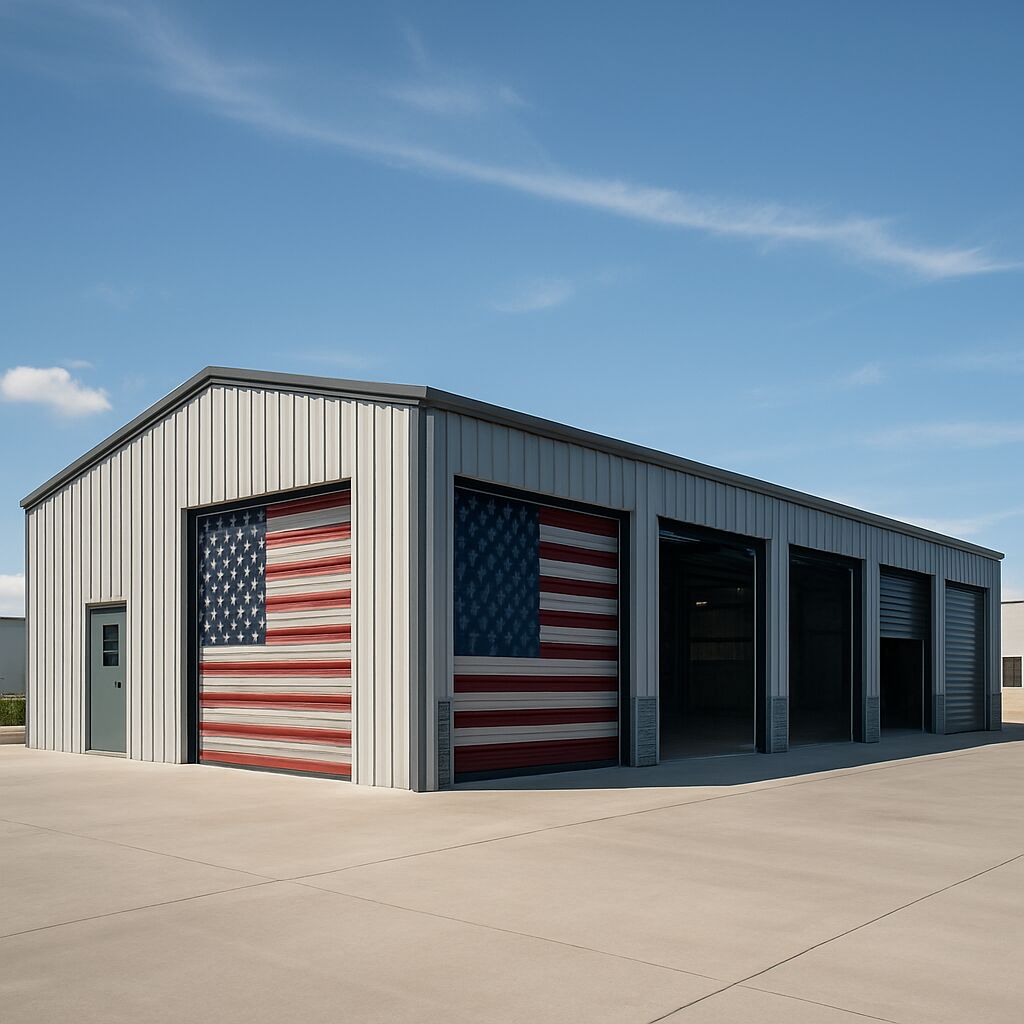
Why Metal Red Barns Outperform Traditional Wood Construction
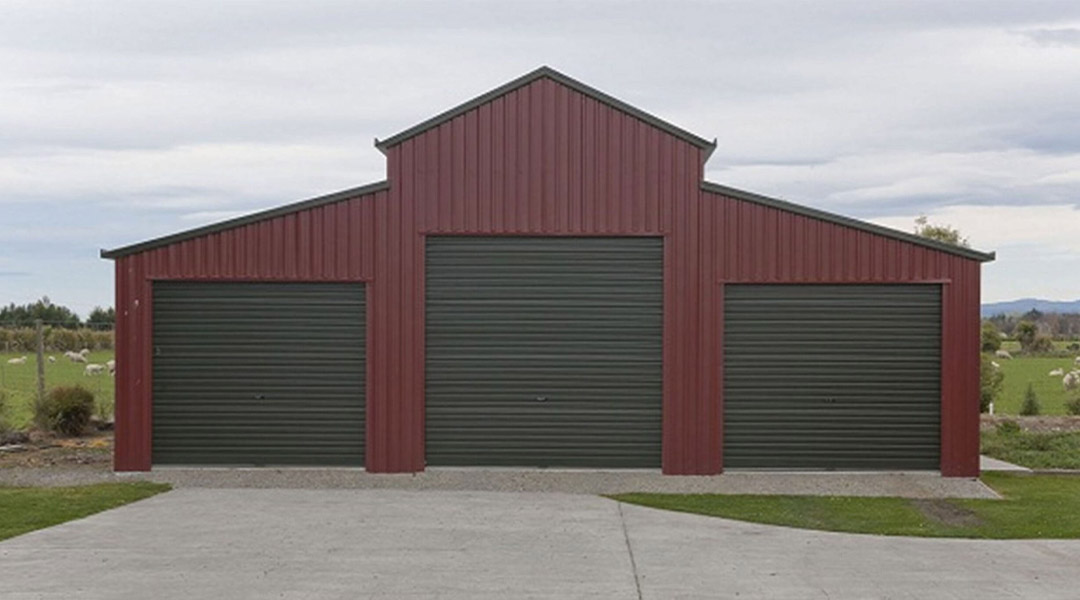
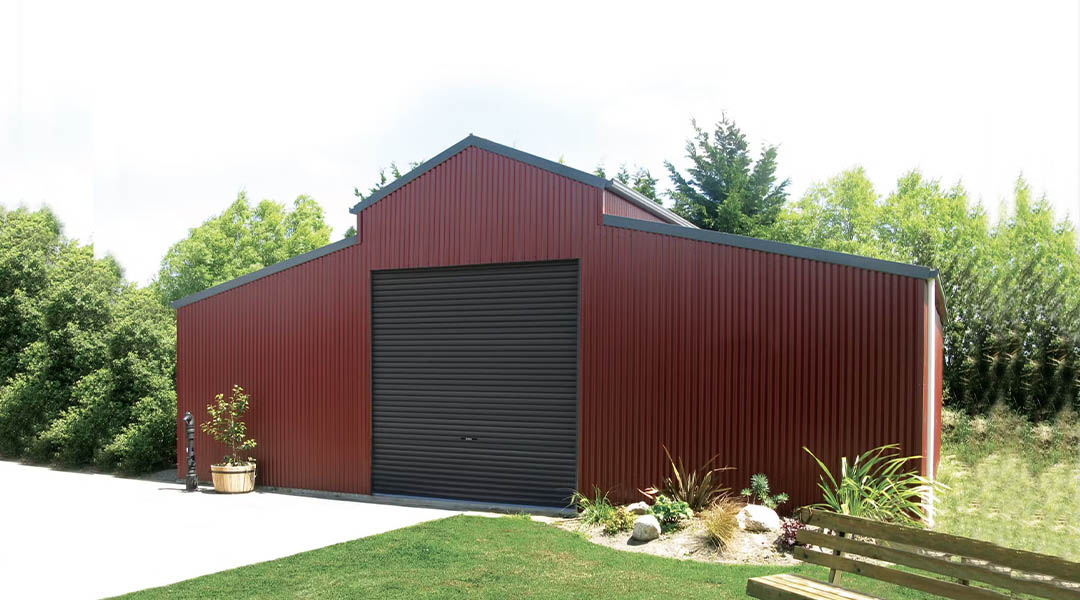
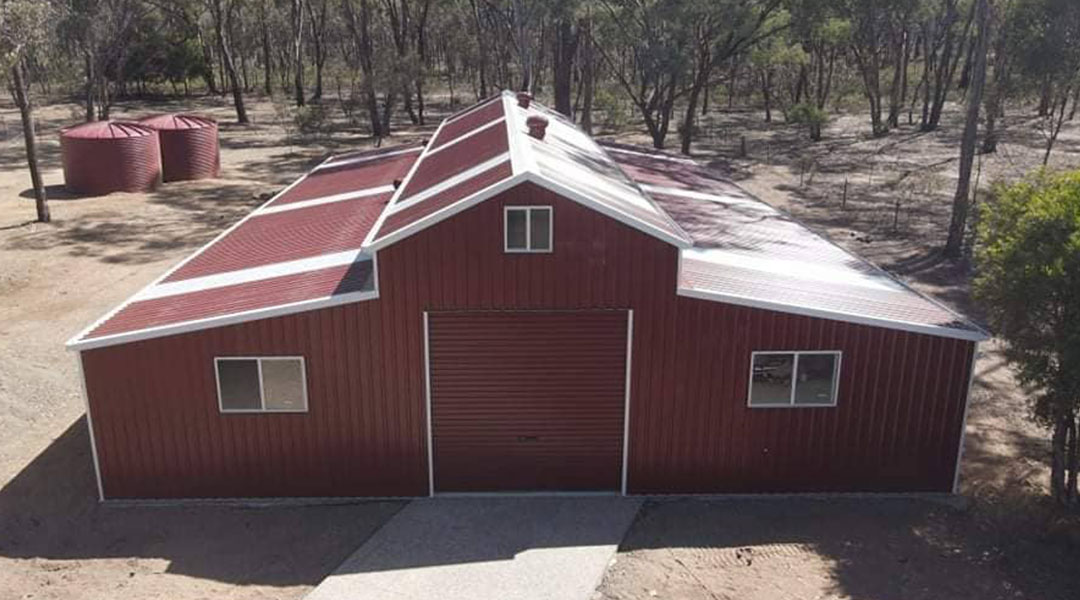
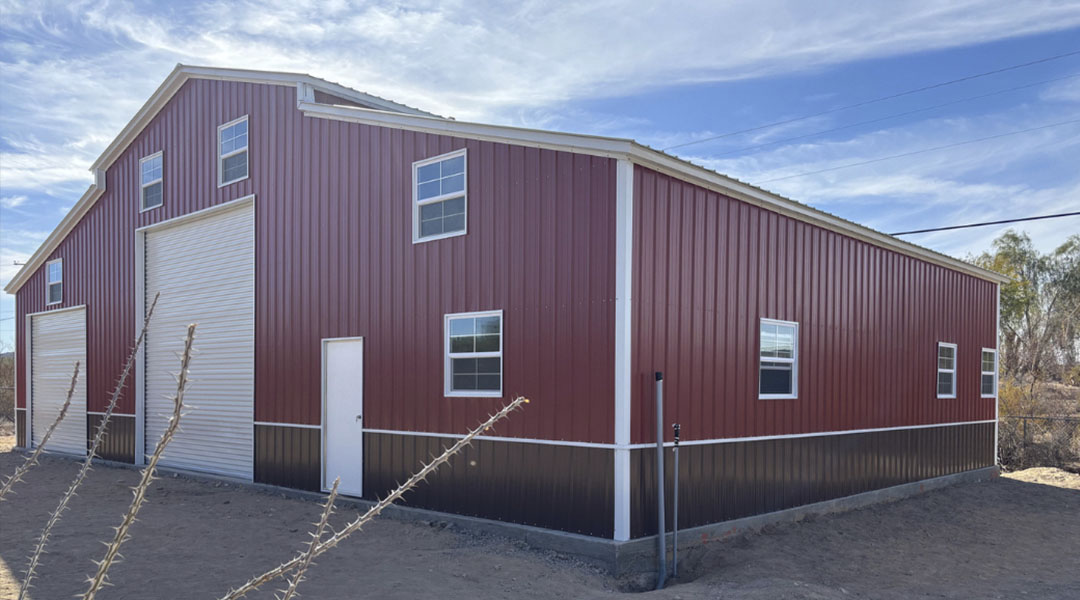
The iconic red barn has symbolized American agriculture for generations. Today’s metal red barns preserve that timeless aesthetic while delivering superior performance through modern engineering. Whether you’re replacing an aging structure, expanding your operation, or building your first barn, understanding the advantages of metal construction helps you make an informed decision.
Exceptional Durability and Longevity
Steel-framed barns resist the common problems that plague wood structures. Unlike wood, steel won’t warp, twist, or bow over time, ensuring doors operate smoothly and walls remain plumb for 40+ years. The engineered steel framing maintains its structural integrity indefinitely.
Pest resistance stands as one of the most significant advantages. Termites, carpenter ants, and wood-boring beetles cause billions in property damage annually across the United States. Metal barns eliminate this threat entirely – there’s nothing for pests to damage or nest in.
Wood barns in humid climates often show rot damage within 10-15 years, particularly around foundation contact points and poorly ventilated areas. Steel doesn’t rot regardless of moisture exposure, making it ideal for all climate zones.
Superior Weather Performance
Metal red barns are engineered to handle extreme weather conditions across different regions. Properly anchored steel barns withstand high winds when engineered for local conditions. The continuous steel framing creates a unified structure that distributes loads effectively, whether from wind, snow, or seismic activity.
Modern metal barn panels use advanced coating systems like Kynar 500® that maintain color integrity for 30+ years. Traditional red barn paint on wood siding typically needs complete repainting every 7-10 years. Metal panels create a weather-tight envelope that sheds water immediately, and when combined with proper ventilation, avoid the moisture accumulation issues common in wood barns.
Fire Resistance and Insurance Benefits
Steel is non-combustible, providing critical protection for valuable equipment, livestock, and stored hay. Many insurance companies offer reduced premiums for metal agricultural buildings compared to wood structures, recognizing the decreased fire risk.
Design Options for Your Metal Red Barn
Classic Roof Styles
Gambrel Roof: The traditional barn profile maximizes storage capacity with vertical side walls and steep upper roof pitch. This design creates usable loft space for hay storage or overhead equipment while delivering the iconic barn silhouette that enhances property aesthetics.
Gable Roof: This simpler A-frame construction offers excellent snow-shedding capability and proves more economical for similar square footage. Gable roofs work particularly well for wider spans and buildings over 60 feet in clear-span width.
Single-Slope: Ideal for equipment shelters and add-ons to existing structures, single-slope designs provide maximum wall height on one side for tall equipment. This is the most cost-effective option per square foot and works well for hay storage and machinery protection.
Color Combinations That Enhance Tradition
While classic barn red with white trim remains the most popular choice, modern coating technology offers expanded options. Darker reds like crimson or burgundy are popular in the Northeast, while brighter barn red is preferred in the Midwest. Rust red tones are common in the Southwest.
Premium PVDF coatings maintain color for decades without the fading common to standard paints. You can combine barn red walls with white trim for authentic farm aesthetics, charcoal trim for modern farmhouse style, or galvalume roofing for heat reflection and durability.
Door and Access Configurations
Sliding Barn Doors: Available in widths from 8 to 16 feet, these doors maintain the traditional aesthetic while offering manual or motorized operation. Weather-tight seals are available for climate-controlled applications.
Hydraulic Doors: For large equipment access, hydraulic or bi-fold doors provide clear openings up to 24 feet wide and 16 feet tall, accommodating modern tractors, combines, and implements. Power operation is standard on larger sizes.
Roll-Up Doors: These space-efficient doors operate vertically and are available in commercial-grade options that support frequent use. Insulated models work well for workshops and climate-controlled spaces.
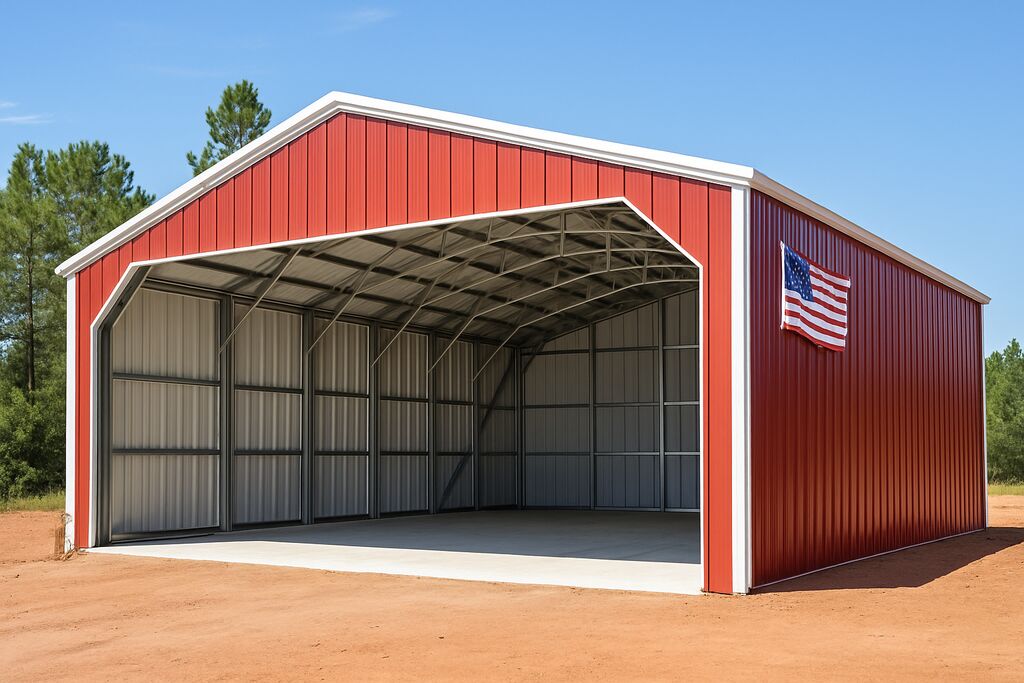
Regional Considerations for Optimal Performance
Cold Climate Design
In northern states and mountain regions, roof trusses must be engineered for local snow loads. Steeper roof pitches help snow shed naturally, while proper insulation options range from spray foam to fiberglass batts with vapor barriers. Continuous ridge ventilation prevents condensation and moisture buildup, which is critical in heated barns.
High-Wind Zones
Buildings in the Great Plains and coastal areas require specific engineering for wind resistance. This includes increased anchor bolts spaced closer together, heavier gauge framing, and reinforced door components. Foundation systems use deeper concrete piers and may require certified engineering stamps for permitting.
Hot, Arid Climates
Heat management is essential in the Southwest and Southern Plains. Cool-coated roof panels reflect solar radiation, while light-colored roofing choices further reduce interior temperatures. Ridge vents and gable louvers create passive airflow, and proper insulation can reduce interior temperatures by 15-25 degrees Fahrenheit.
High-Humidity Regions
In the Southeast and Gulf Coast, ventilation design becomes critical. Continuous ridge vents along the entire roof length, combined with wall louvers and adequate air movement, prevent moisture problems. Hot-dip galvanized or Galvalume steel substrates provide superior corrosion resstance in humid environments.
Interior Layout Strategies
Open-Span Equipment Storage: Clear-span widths from 30 to 100+ feet without interior posts maximize flexibility for changing equipment needs. Overhead doors on gable ends allow drive-through access for efficient loading and unloading.
Partitioned Livestock Barns: Stall configurations typically use 10×12 or 12×12 layouts with center aisles and stalls on both sides. Proper ventilation, concrete or compacted gravel flooring, and adequate drainage protect animal health.
Combination Layouts: Many modern barns dedicate 60-70% to open storage while enclosing 30-40% as insulated workshop space with separate electrical service, man-doors, and windows.
Maintenance: Keeping Your Barn in Top Condition
One of metal barns’ greatest advantages is minimal maintenance requirements. Annual inspections take just 1-2 hours and should include checking for loose panels or fasteners, inspecting door operation, clearing gutters, and looking for any paint chips that expose bare metal.
Every 5-10 years, minor touch-ups address any scratches or high-wear areas around door tracks and corners. Keeping a quart of matching paint on hand allows immediate attention to any damage. Fastener maintenance every decade ensures panels remain secure and weather-tight.
Ventilation management is crucial year-round. Proper airflow prevents condensation, controls temperature, and protects stored materials and livestock. Passive ventilation through ridge vents and wall louvers should follow a minimum 1:150 ratio – one square foot of ventilation per 150 square feet of floor space. Higher ratios benefit humid climates.
Why Choose US Patriot Steel
US Patriot Steel delivers American-made quality with 100% domestic steel sourcing. Their comprehensive service includes design support with CAD renderings, engineered plans certified by licensed structural engineers, and nationwide delivery and installation options.
Standard warranties include 40-year panel perforation coverage, 30-year paint fade warranties on PVDF coatings, and 20-year structural frame protection. Lifetime technical support ensures you have expert guidance throughout your barn’s service life.
Whether you’re looking for a DIY kit with detailed instructions or complete turnkey installation from site prep to final inspection, US Patriot Steel’s team guides you through every step of the process.
Getting Started with Your Metal Red Barn
Begin by determining your needs – size, primary use, and desired features. Check local zoning requirements, setbacks, and permit requirements early in the planning process. Contact US Patriot Steel for a free consultation to discuss your vision, site conditions, and customization options.
With proper planning and quality construction, your metal red barn will serve your operation reliably for decades while maintaining the classic aesthetic that defines the American farm landscape.
Get A Free Custom QuoteCommon Metal Building Types
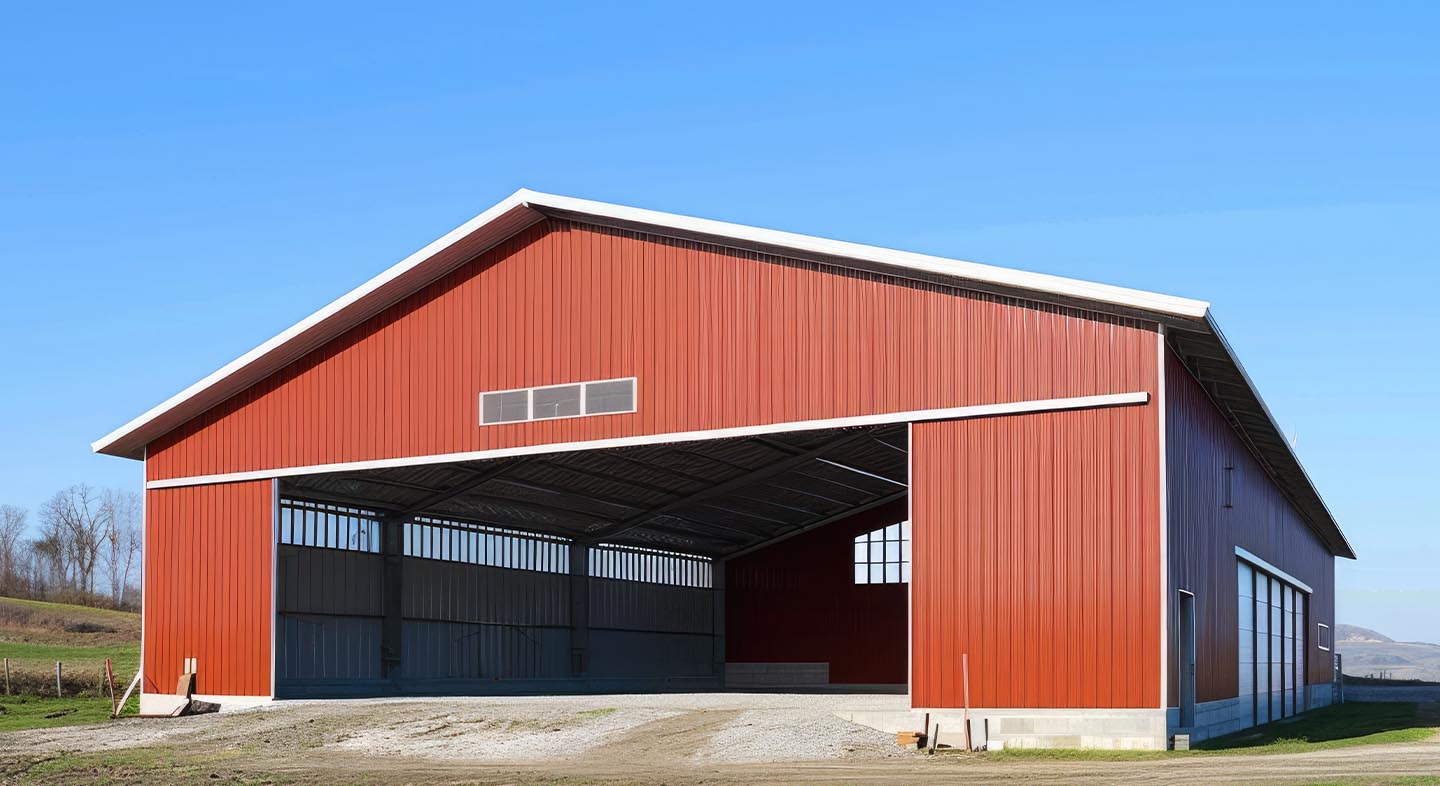
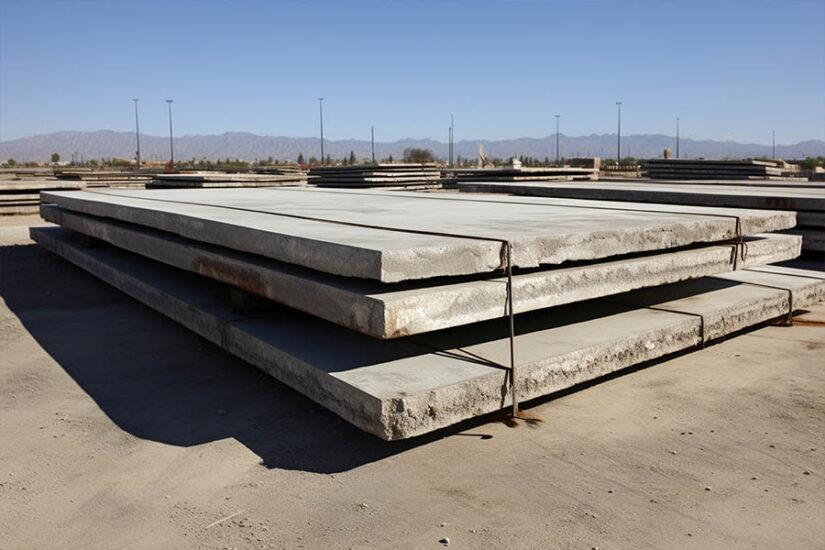
Concrete Slab Thickness Guide for Steel Buildings
A concrete slab, in the context of steel buildings, is the flat, load-bearing foundation surface that supports the building frame and all interior activity. In most projects, it serves both as a structural element and as the finished floor. Steel columns, wall loads, vehicles, equipment, and storage systems all transfer forces into the slab and […]
Read Article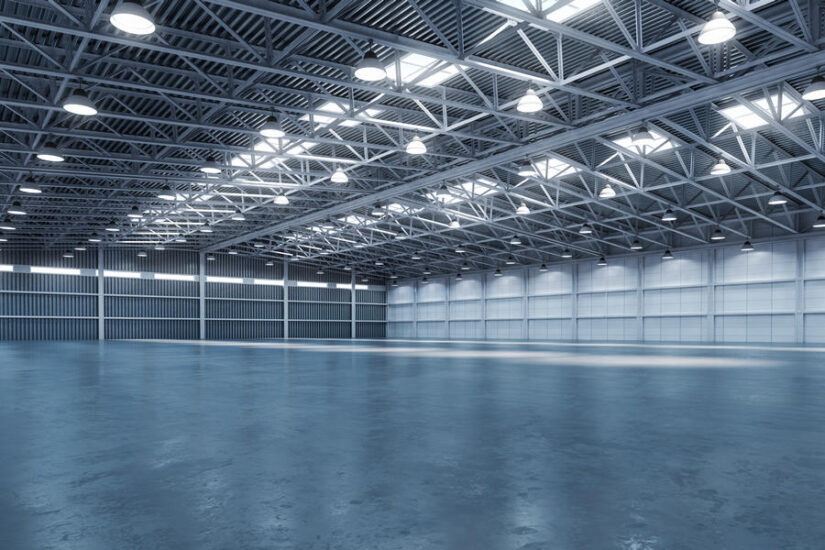
What Is a Clear-Span Metal Building?
As you’re researching different building options for commercial or industrial use, you may have heard about clear-span metal buildings and want to learn more about what they are and if they’re a good solution for your needs. We’ve created this guide to help. Here, we’ll discuss what a clear-span metal building is, different design options, […]
Read Article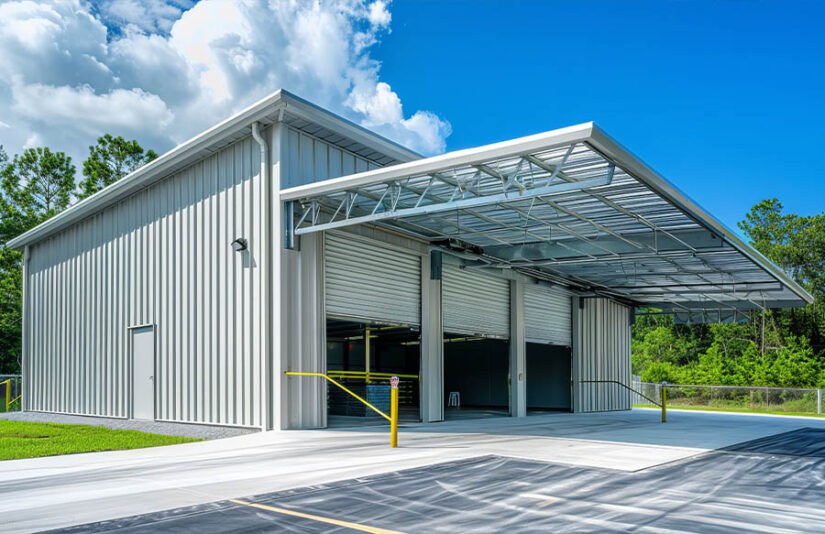
How to Expand Your Steel Building When Your Business or Farm Grows
Growth is a good problem to have. Whether you’re running a farm, a manufacturing shop, a storage facility, or a retail operation, expansion is often the sign of success. But what happens when your current building no longer meets your needs? If your structure is made of steel, you’re in luck. Steel buildings are among […]
Read Article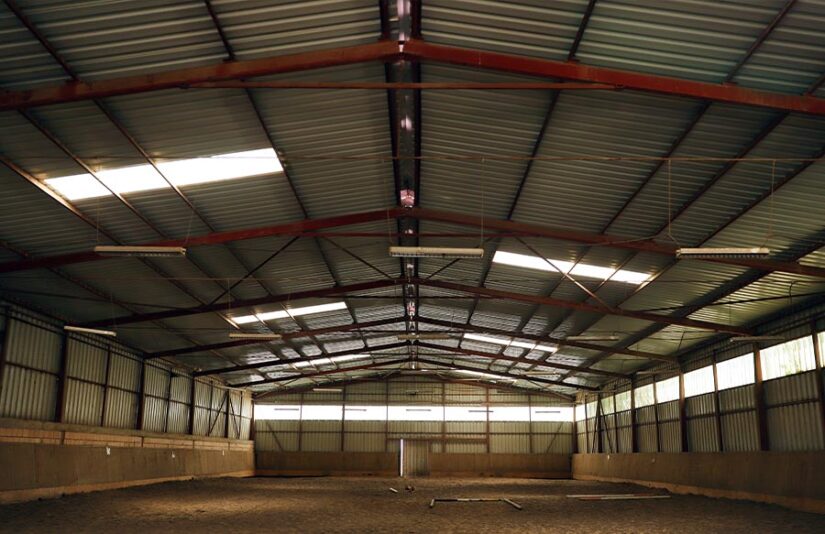
Hay Storage Done Right
For any farmer or rancher, protecting hay is protecting profit. A season’s worth of work – planting, cutting, baling – can be lost in a matter of weeks if stored in the wrong environment. Moisture, rot, and mold don’t just spoil hay; they can destroy feed value and create dangerous conditions for livestock. That’s why […]
Read Article
Metal vs. Termites: How Steel Buildings Save Thousands in Maintenance
When investing in a new structure – whether it’s a garage, barn, workshop, or commercial facility – there’s one enemy most property owners underestimate: termites. These small, wood-devouring pests cause over $5 billion in property damage annually across the United States, according to the National Pest Management Association. Yet, the simplest way to avoid costly […]
Read Article
Why Barn Roofs Collapse in Snow
Barns are the heart of many agricultural operations, housing everything from livestock and feed to tractors and hay. Yet, in regions that experience heavy snowfall, these vital structures are also some of the most vulnerable. Every winter, stories emerge of barns giving way under the weight of accumulated snow – causing financial strain, business interruption, […]
Read Article
Fire Safety First: How Steel Buildings Provide Superior Protection
When you invest in a building – whether it’s a garage, barn, commercial facility, or workshop – fire safety should never be an afterthought. Fires can break out for many reasons, from electrical malfunctions to wildfires, and the consequences can be devastating. That’s why more and more property owners across the U.S. are choosing steel […]
Read Article
Quonset Huts vs Steel Buildings: Which is the Better Choice for Your Next Project?
When planning your next building project – whether it’s a garage, barn, workshop, or commercial facility – you’re likely weighing your options between two popular types of steel structures: Quonset huts and rigid-frame steel buildings. Both offer durable, cost-effective, and long-lasting solutions, but they differ in form, function, and flexibility. In this guide, we’ll break […]
Read Article
Steel Garages vs. Pole Barns: Which is Better for Your Needs?
If you’re planning to add a new structure to your property – whether for vehicle storage, a hobby workshop, or a hybrid space – you’re likely deciding between a steel garage and a pole barn. Both offer practical and affordable solutions, but they differ in construction, durability, and long-term value. At US Patriot Steel, we’ve […]
Read Article