
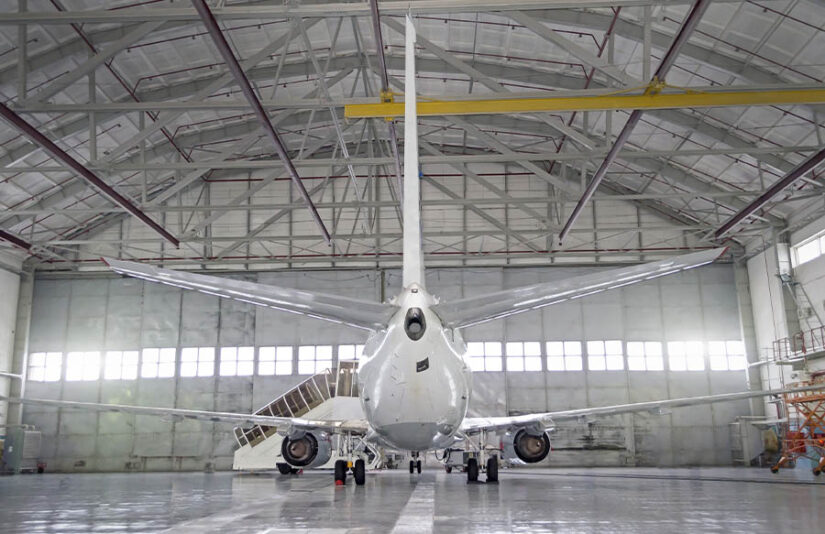
Every pilot and aircraft owner knows one thing for certain – protecting your aircraft isn’t optional. The structure that shelters it isn’t just a building; it’s the first line of defense against weather, corrosion, and time itself. Among the many materials available, steel has proven again and again to be the only one capable of meeting aviation’s strict demands for reliability, precision, and long-term economy.
A hangar is more than four walls and a roof. It’s an engineered environment designed to safeguard valuable assets, support maintenance, and ensure smooth operations. And that’s exactly where steel outperforms every other option.
Built for Performance, Designed for the Sky
Steel’s greatest advantage lies in its strength. The same material that forms the backbone of skyscrapers and bridges is perfectly suited to the wide, open spaces an aircraft hangar requires. Where wood and concrete struggle to span large areas without support columns, steel handles the job with ease, allowing for clear-span interiors that give wings and tail sections plenty of clearance.
The structural integrity of a steel hangar is also far superior in demanding conditions. Across the United States, building codes require hangars to meet wind, snow, and seismic standards set by the International Building Code (IBC) and ASCE 7. Properly engineered steel buildings not only satisfy these requirements – they often exceed them. That means your investment remains secure even in hurricane zones, high-snow regions, or areas prone to earthquakes.
Steel’s non-combustible nature adds another layer of confidence. A wooden hangar can fuel a fire, while a steel frame resists it. For operators who store aircraft containing aviation fuel or perform mechanical work, this resistance isn’t just practical – it’s essential for safety and insurance compliance.
Reliability That Lasts for Decades
A hangar represents a long-term investment, and steel ensures that investment holds its value. Unlike timber, which can warp, rot, or attract pests, galvanized steel resists moisture, insects, and decay. With proper maintenance – primarily occasional inspections and simple cleaning – a steel hangar can remain fully functional for half a century or more.
That durability also translates into lower upkeep costs. There’s no need for regular repainting, pest control, or structural replacement. Many aviation property owners find that the savings in maintenance alone offset their initial cost within a few years. When factoring in longevity, insurance savings, and resale value, steel consistently delivers the strongest return on investment in aviation construction.
Tailored for Every Type of Aviation Use
No two aircraft owners have the exact needs. A crop duster, a private jet, and a fleet of helicopters all demand different layouts, clearances, and access solutions. The beauty of steel construction lies in its flexibility.
A pilot who needs personal aircraft storage might opt for a compact, single-bay hangar with bi-fold doors and a heated interior. Meanwhile, a corporate operator may require a larger structure with integrated offices, maintenance areas, and staff facilities. Because steel framing is modular, these customizations are not only possible but also practical. Doors can be oversized, insulation can be added for climate control, and wall panels can be finished in colors that match airfield aesthetics or corporate branding.
Engineered for America’s Climate
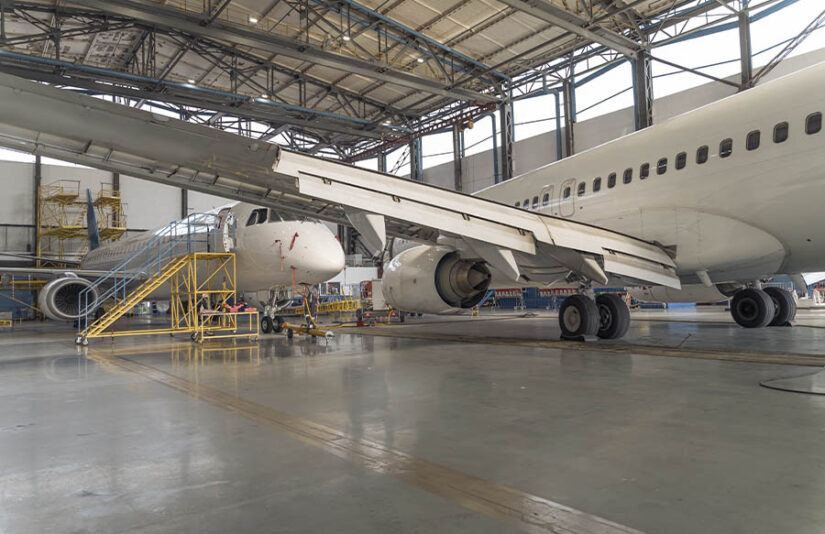
Across the U.S., environmental stress tests every material differently. In coastal regions, salt-laden air corrodes unprotected metals; in the Midwest, heavy snow loads push roofs to their limits; and in the South, summer heat and wind can strain even sturdy buildings. Steel hangars, when properly coated and insulated, are designed to withstand all conditions.
Galvanized finishes protect frames from corrosion, and reflective roof coatings reduce heat gain in the interior. Insulation systems designed for metal structures maintain temperature consistency, ensuring that aircraft instruments and electronics remain stable. Even in extreme conditions – from Alaskan snowfields to the deserts of Arizona – steel structures preserve their shape and integrity year after year.
The Real Economics of Steel Hangars
At first glance, some owners assume that steel hangars cost more to build than wood or tension-fabric alternatives. However, when total ownership costs are considered, the numbers tell a different story. Steel buildings are pre-engineered, delivered as complete kits, and can often be erected in a matter of weeks – minimizing downtime and labor costs.
Once standing, a steel hangar’s predictable performance saves money season after season. There are no warped trusses, no leaking joints, and no structural replacements after storms. Insurance companies frequently reward these advantages with lower premiums. And when the time comes to expand or modify the building, steel’s bolt-together design makes it easy to add new sections without major reconstruction.
For business operators, that means predictable budgeting and reduced long-term risk – an advantage that’s as valuable as the aircraft itself.
A Sustainable, Future-Proof Choice
Sustainability has become a defining aspect of modern construction, and steel is a perfect fit. It’s the most recycled material in the world and retains its strength no matter how many times it’s reused. In aviation settings, where environmental control and efficiency matter, this translates into tangible energy savings.
High R-value insulation systems, cool roofing, and solar-ready frameworks can all be incorporated into a steel hangar design. The result is a building that consumes less energy and performs better for decades – a structure built with responsibility and resilience in mind.
Why Professionals Trust US Patriot Steel
Building a hangar requires precision, engineering expertise, and a thorough understanding of aviation operations. US Patriot Steel brings all three to the table. Our hangars are engineered to meet FAA layout standards and comply with U.S. building codes, ensuring they’re ready for any location or climate zone.
Each project is backed by American-made steel and a 40-year structural warranty. From design consultation to delivery, our team supports clients through every phase – helping them select door systems, insulation options, and finishes that best suit their aircraft and their property. It’s this combination of technical expertise and customer care that has made US Patriot Steel a trusted name among pilots, aviation businesses, and airfield developers nationwide.
Built for Those Who Live Above the Ground
Steel hangars reflect the same principles that define aviation itself: strength, precision, and reliability. They’re not just storage buildings; they’re part of the infrastructure that keeps aircraft safe and flight-ready. With unmatched endurance, easy customization, and cost efficiency that holds up over time, steel remains the clear choice for aviation storage – today and for decades to come.
Ready to Start Your Project?
Protect your aircraft with a hangar that’s engineered to last.
Request a free consultation with US Patriot Steel and discover what makes our hangars the trusted choice for aviation professionals across the country.