Popular Metal Workshops
What Are Metal Workshops?
Metal workshops provide dedicated space to build, work, or store equipment. In fact, many hobbyists, tradespeople, and business owners choose this option for its affordability, durability, and adaptability. In this guide, we take a closer look at the types, benefits, and what to consider when buying, helping you make an informed choice.
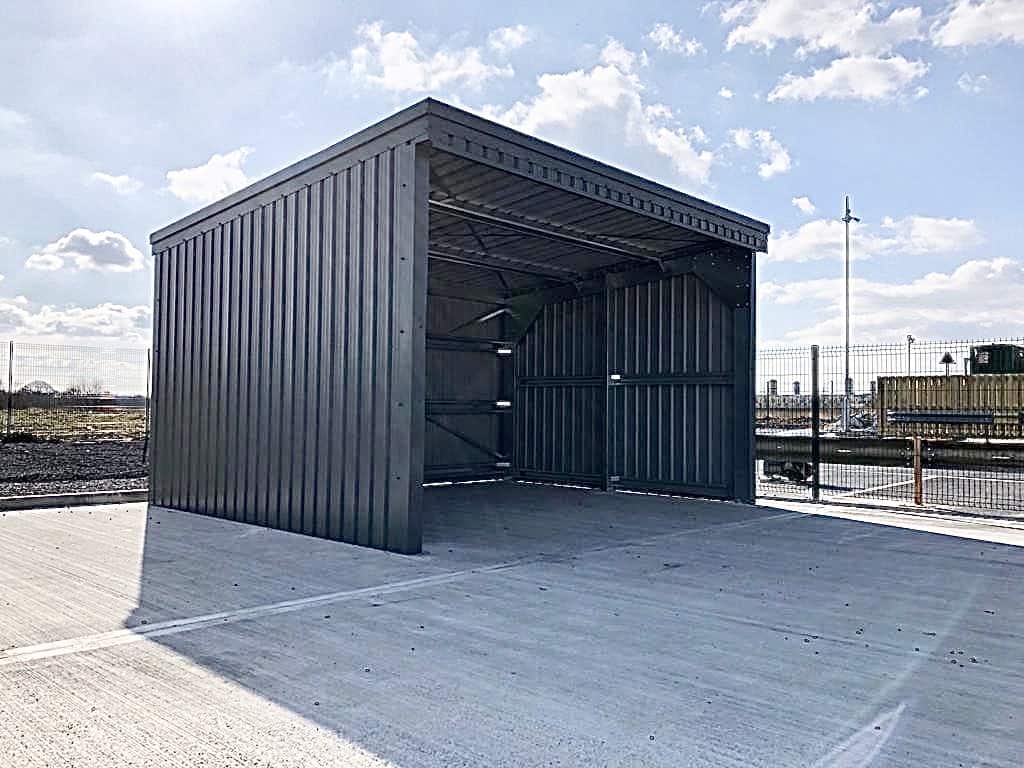
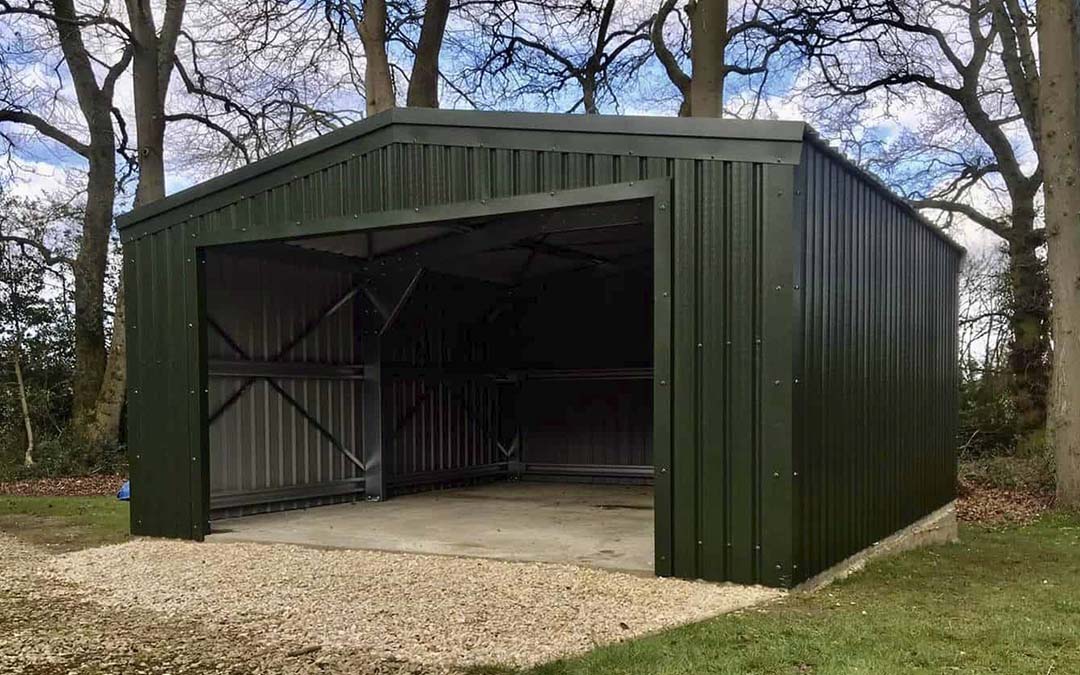
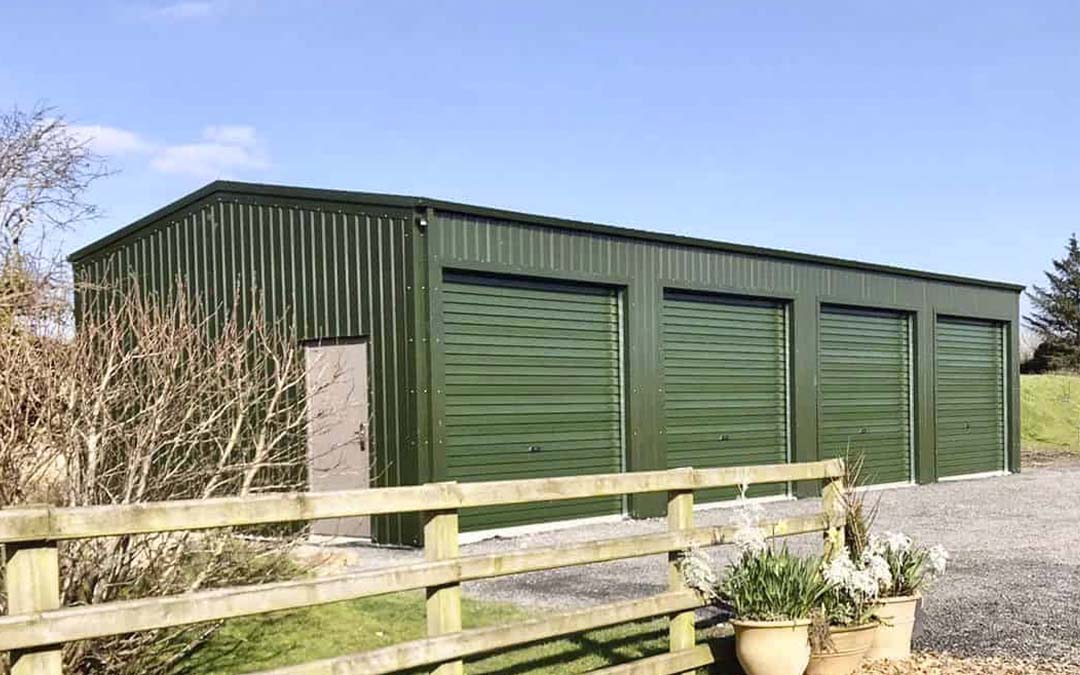
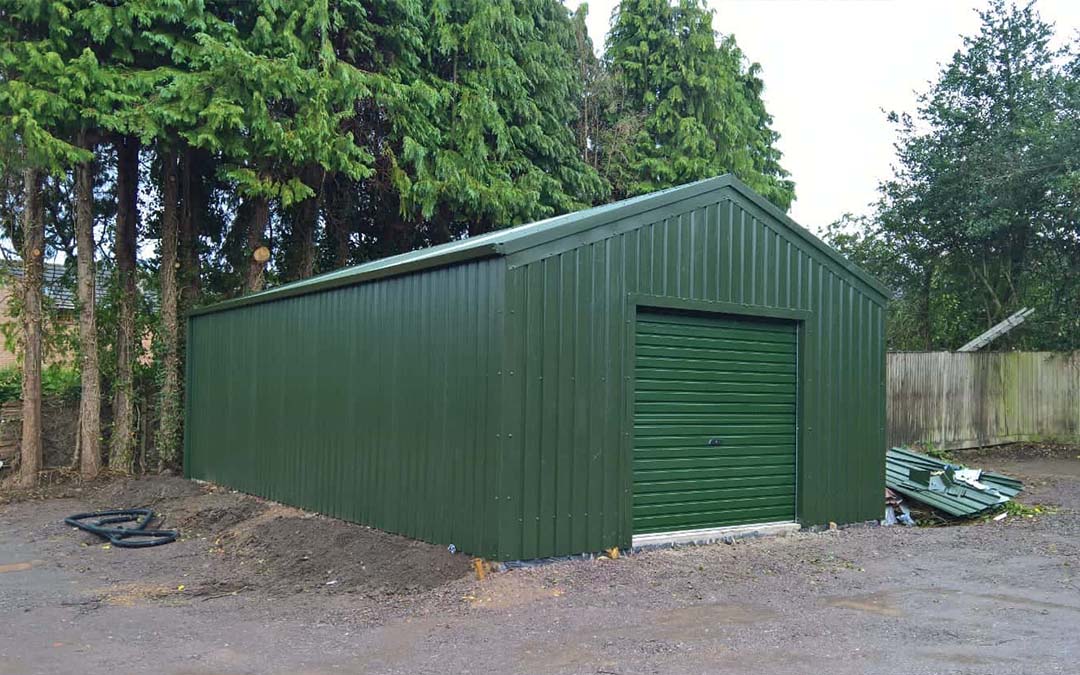
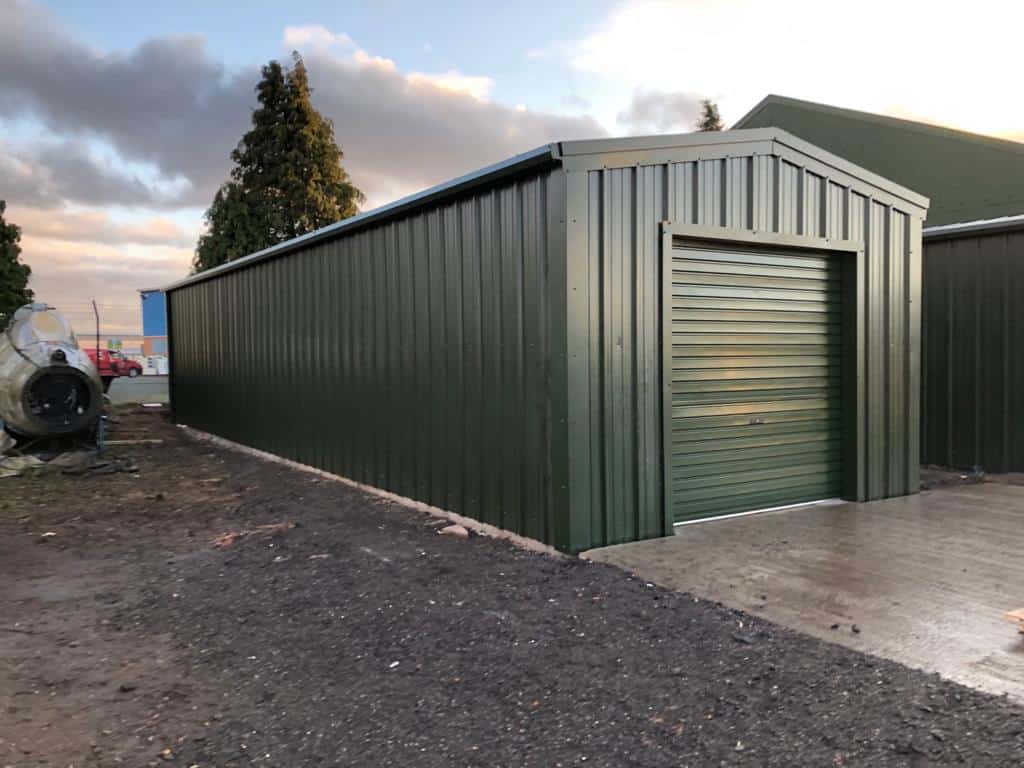
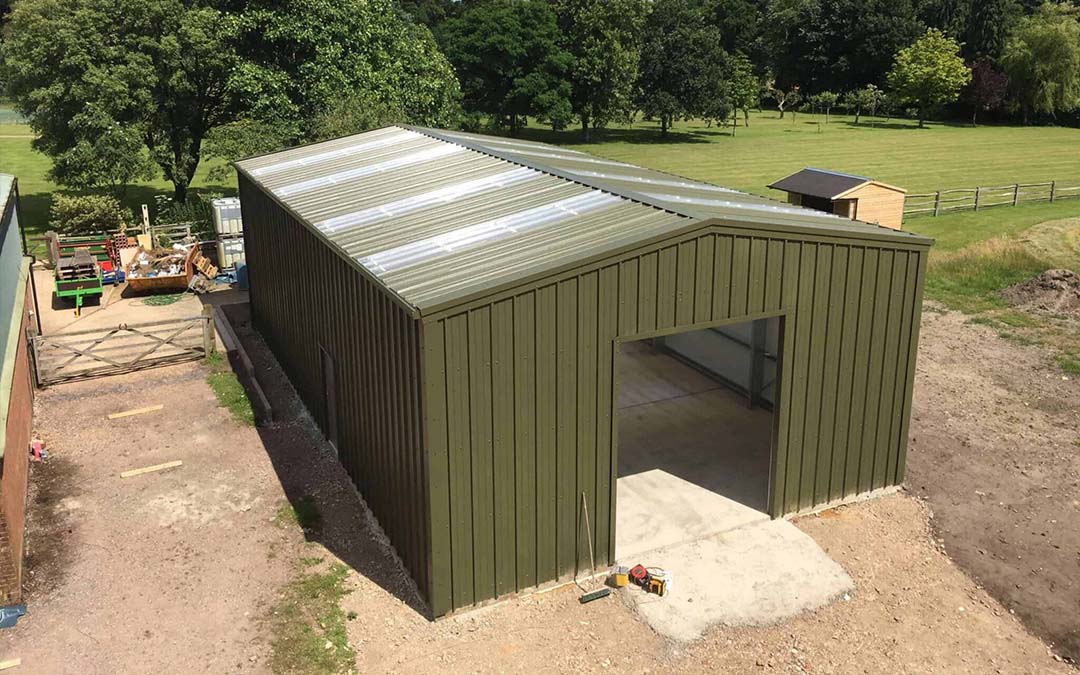
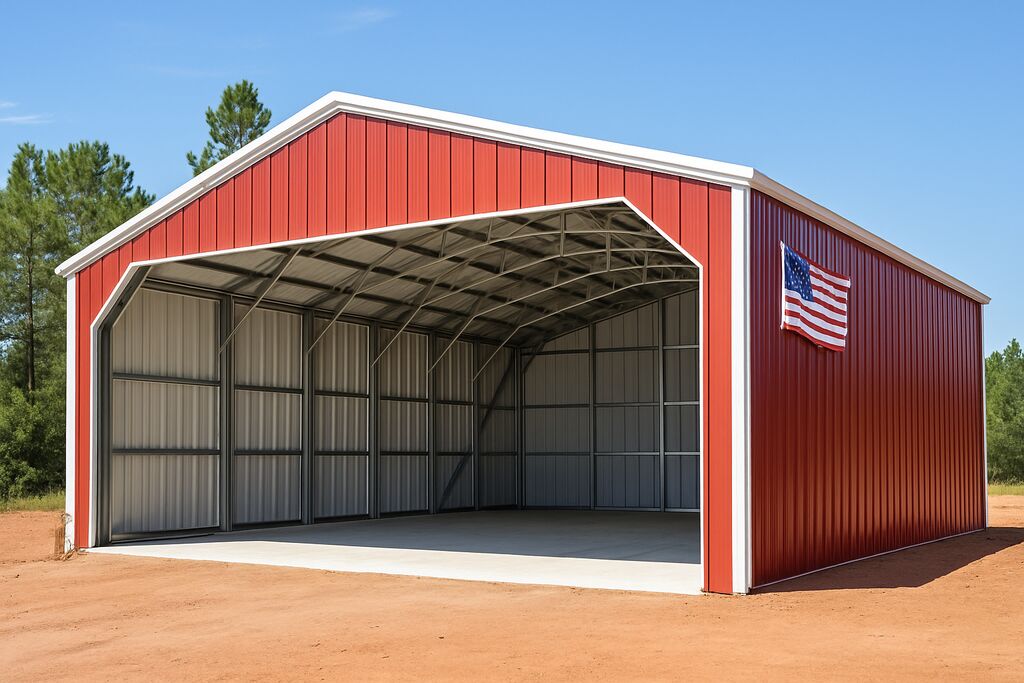
Metal workshop buildings are steel-framed structures built specifically for hands-on work and storage. They can be pre-engineered (often referred to as prefab metal workshops) or custom-built, with steel construction providing strength and other advantages unmatched by wooden framing.
Common uses of these spaces include:
- Hobby and craft spaces
- Automotive repair and restoration
- Woodworking shops
- Metal fabrication and welding
- Equipment storage
Key Benefits of Metal Workshop Buildings
- Energy Efficiency: When energy efficiency is critical, a metal building workshop can be insulated to improve climate control and reduce energy costs.
- Durability & Longevity: Simply put, these buildings hold up. Steel doesn’t rot, warp, or attract termites, and most metal workshops last well beyond 30 years with basic upkeep.
- Cost-Effective: Material costs are lower than for wood or block construction, and the build timeline is significantly shorter, reducing labor costs as well.
- Low Maintenance: There’s no repainting, staining, or sealing involved. Once the building is up, it mostly takes care of itself.
- Quick Installation: A prefab workshop can be built in days or weeks, rather than the months it could take for a traditional build.
- Weather Resistance: These workshop buildings are constructed to withstand high winds, heavy snow or rain, and extreme temperatures.
- Customization: There are many ways to tailor your space, even with prefab builds, such as flexible layouts, sizes, and custom features, helping you match your metal workshop to your needs.
Types of Metal Workshops
Prefabricated Metal Workshop Kits
These are pre-designed packages that ship ready to assemble. They’re the most budget-friendly option and work well for anyone comfortable with a hands-on installation. Customization is more limited, but delivery is faster, and the process is straightforward.
Custom-Built Metal Workshops
If you have specific requirements, a custom-built metal workshop can be fully tailored for your needs. This may arise when you require unusual dimensions, specialized door configurations, or even an integrated office space.
However, the investment is higher. This is often ideal for businesses with unique needs and design requirements.
Size Options
Small workshops in the 12’x20’ to 20’x30’ range are ideal for home hobbyists and personal projects. However, mid-size buildings, typically 30’x40’ to 40’x60’, are better suited for small businesses or more serious workshop setups.
Lastly, structures 60’x80’ or larger generally fall into the commercial or industrial category.
Essential Buying Considerations
Size & Layout
Try to imagine beyond what you need today. Consider the equipment you’ll be using, the amount of open floor space you want around it, and whether your needs may grow. Ceiling height may also matter, especially if you’re working on vehicles or running overhead equipment, so this is something to take into account. And don’t overlook door placement and how traffic will flow in and out of the building. This will all play into your layout and building size.
Insulation & Climate Control
Insulation is important for year-round use, especially in regions where the climate changes drastically season to season. And there are options here, too!
You may decide to use common options such as spray foam, fiberglass batts, or rigid boards, depending on your needs and budget.
Ultimately, the right insulation helps cut heating and cooling costs, making it not just more comfortable but also potentially saving you money down the line.
Door Options
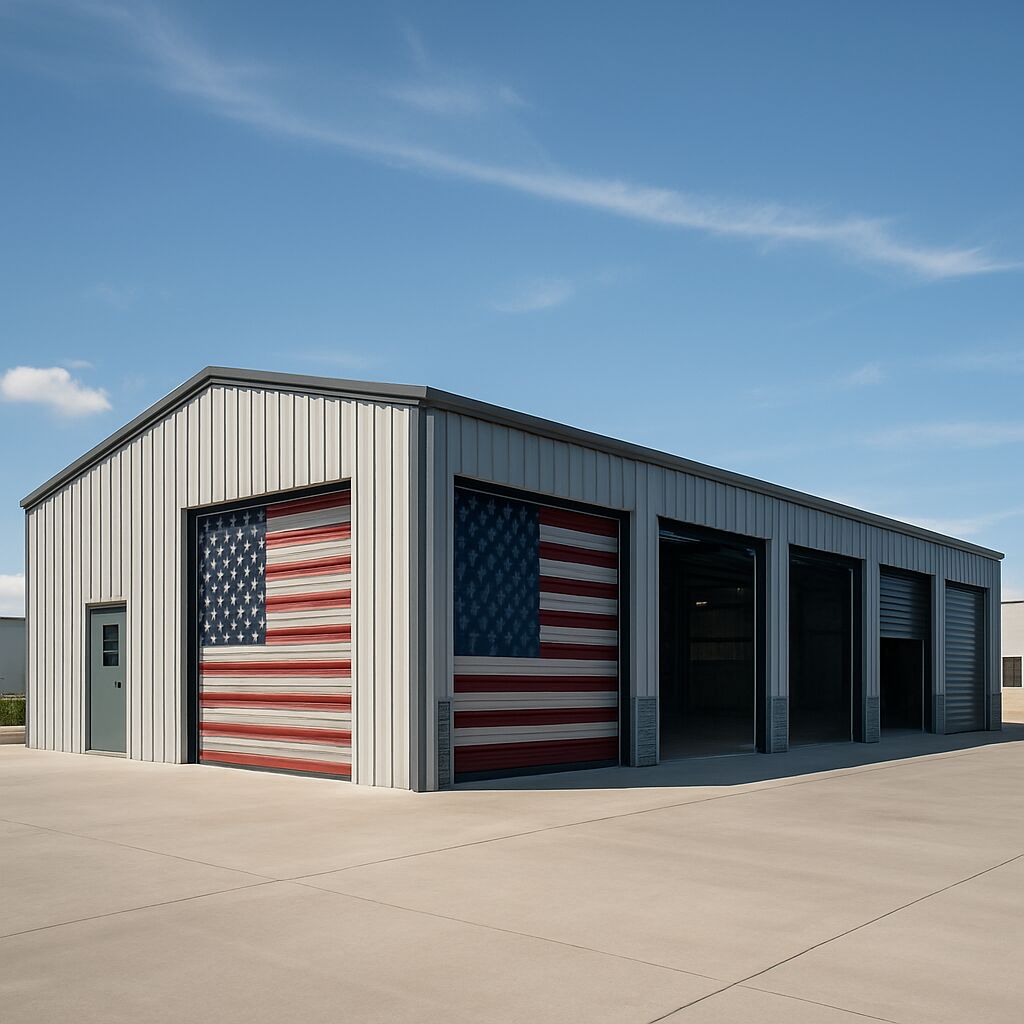
Roll-up doors are standard for vehicle access. Overhead doors handle larger equipment. Walk-in doors cover everyday entry and exit.
At the end of the day, consider what regularly goes in and out of the building, and size your doors accordingly.
Foundation Requirements
A concrete slab is the most common and durable foundation for metal workshops. However, a gravel base can offer a more budget-friendly option. On top of this, pier foundations may be considered for uneven terrain. But you’ll also want to think about what lasts here and what may impact your building over the long-term.
Permits & Zoning
Before you purchase anything, check your local building codes. Many factors can impact what you’re allowed to build and where, such as setback requirements, zoning restrictions, and HOA rules.
Many metal building suppliers, including companies such as US Patriot Steel, can help walk you through this process.
Budget & Pricing
The overall metal workshop cost can vary from $8000 to $50,000 or more, depending on the size and features. The most common factors that impact this cost include the size, customization features, insulation, doors, and location.
But again, don’t forget to account for the foundation and installation when calculating the total project cost. The long-term value, though, is also important to consider, meaning you’ll want the building to be low maintenance and have a long lifespan so you don’t end up paying more later on.
Get A Free Custom QuotePopular Uses for Metal Workshops
Automotive: From car restoration and routine maintenance to detailing businesses, a metal workshop provides the durable, spacious environment that automotive work demands. The right setup keeps tools organized and vehicles protected while supporting a professional operation.
Woodworking: Whether you’re running a furniture making business, a carpentry shop, or simply need reliable lumber storage, a metal workshop offers the space and structural integrity to handle it all. A well-planned layout ensures a smooth and efficient workflow for craftsmen of every level.
Metalworking: Welding shops, fabrication businesses, and machine shops all benefit from a sturdy and functional workspace. A metal workshop is a natural fit for metalworking operations, offering the durability and ventilation options needed to handle demanding day-to-day work.
Equipment Storage: Farm equipment, construction tools, and fleet vehicles all require secure and accessible storage solutions. A metal workshop provides ample room and lasting protection, keeping your assets safe from the elements and ready for use when needed.
Small Manufacturing: From light assembly and packaging to small-scale production, a metal workshop can be configured to support a wide range of manufacturing needs. Its flexibility makes it an affordable and practical choice for growing businesses looking to expand their operations.
Hobbies: Not every workshop needs to be a commercial operation. Home gyms, art studios, and pottery workshops are just a few examples of how a metal building can be transformed into a personalized creative or wellness space that fits your lifestyle perfectly.
Maintenance & Longevity
The best part about metal workshops? There’s often no painting schedule, no termite treatments, and no rot to worry about. Basic care, including an annual visual inspection, clearing the gutters, and checking door seals, is about all that’s required.
Most metal workshops last 30 to 50 years or more with proper care, and structural warranties in the 20 to 40-year range are common. Compared to the upkeep costs of a wood-framed building over the same period, these savings can add up quickly.
Know What You Need?
A metal workshop gives you a durable, low-maintenance workspace that fits your needs now and holds up for decades. Whether you’re setting up a small hobby shop or outfitting a full commercial operation, the combination of affordability, customization, and longevity makes it a smart investment.
Ready to find the perfect metal workshop for your needs? Browse our selection or contact us for a free quote.
Call Now: (888) 415-1576Common Metal Building Types

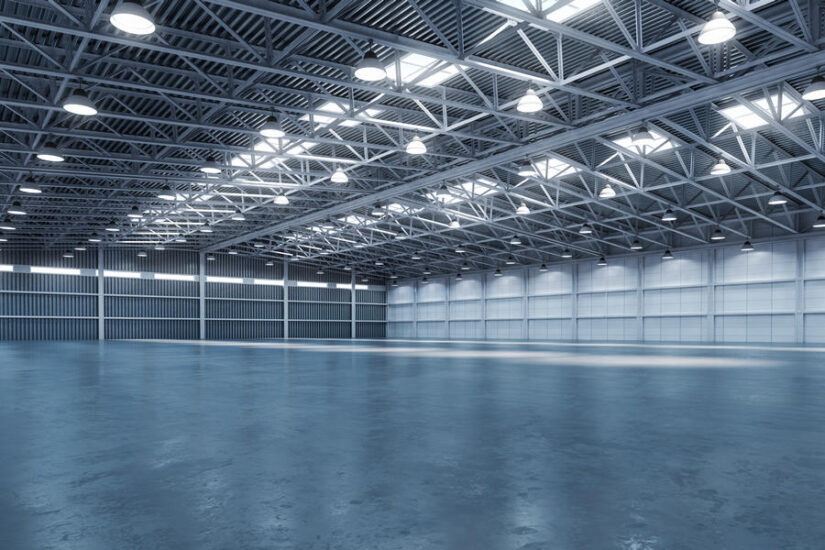
What Is a Clear-Span Metal Building?
As you’re researching different building options for commercial or industrial use, you may have heard about clear-span metal buildings and want to learn more about what they are and if they’re a good solution for your needs. We’ve created this guide to help. Here, we’ll discuss what a clear-span metal building is, different design options, […]
Read Article
Workshop Planning Checklist
Whether you’re building a new steel workshop or upgrading an existing space, thoughtful planning can dramatically improve your productivity, safety, and satisfaction. A steel workshop is more than four walls and a roof – it’s a precision environment tailored to how you work. At US Patriot Steel, we help customers customize workshops that are efficient, […]
Read Article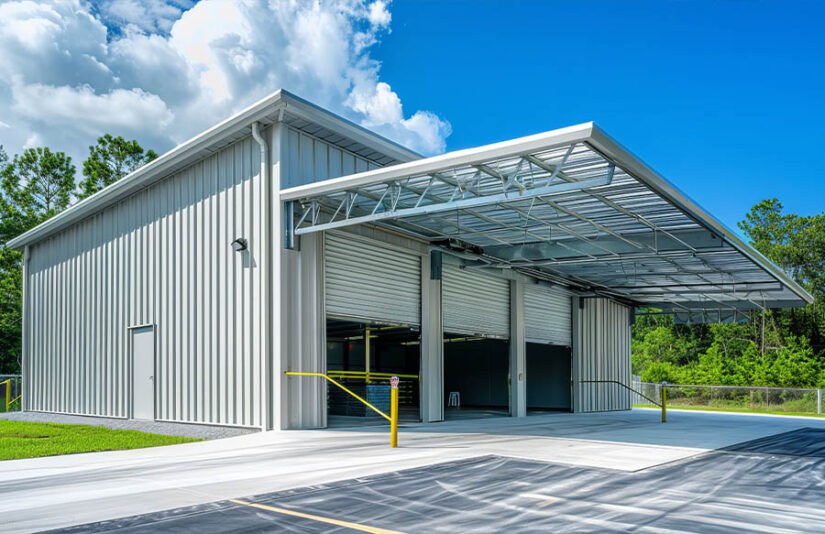
How to Expand Your Steel Building When Your Business or Farm Grows
Growth is a good problem to have. Whether you’re running a farm, a manufacturing shop, a storage facility, or a retail operation, expansion is often the sign of success. But what happens when your current building no longer meets your needs? If your structure is made of steel, you’re in luck. Steel buildings are among […]
Read Article
How Easy Is It to Add a Lean-To to My Metal Building?
If you’ve ever stood outside your metal building during a downpour, wishing you had just a few more covered feet of space, you already understand the appeal of a lean-to. It’s a simple idea: extend the roofline, add a slope, and suddenly you’ve got shelter for tractors, tools, or a shaded work area. But how […]
Read Article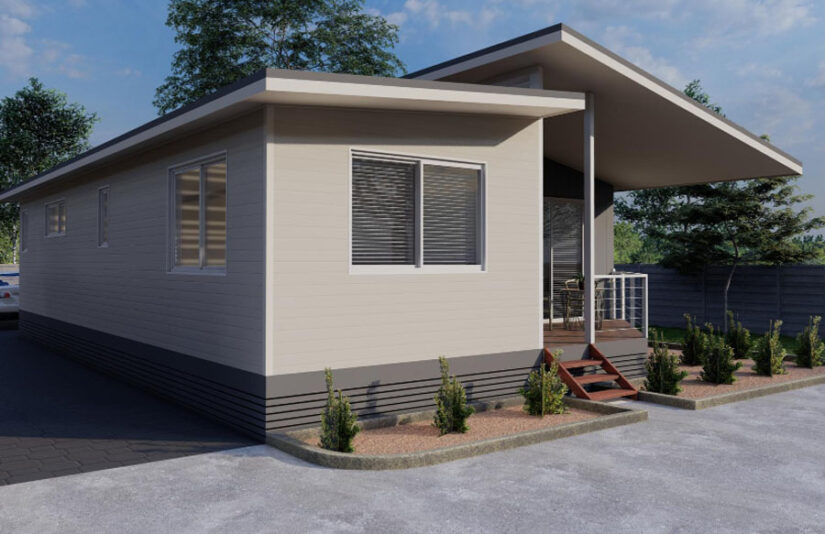
Prefab vs. Stick-Built: Which Saves You More Money in the Long Run?
Whether you’re planning a new garage, workshop, storage facility, or commercial building, one of the first decisions you’ll face is how it should be built. The two most common options are traditional stick-built construction and prefabricated steel buildings – and each comes with its own costs, advantages, and long-term implications. If you’re trying to decide […]
Read Article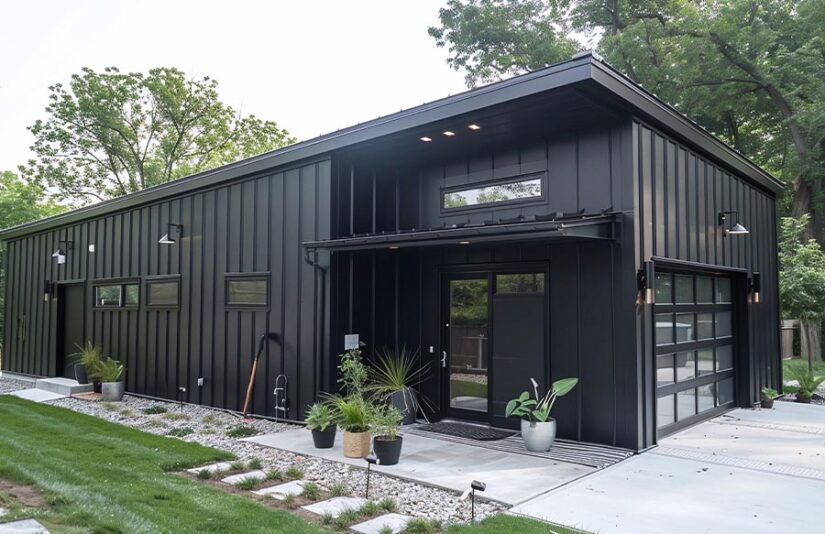
Prefab Metal Buildings for Backyards
Across the country, homeowners are rethinking how they use their backyards. Whether it’s for a home workshop, garden shed, small garage, or even an office, prefab metal buildings are becoming the go-to solution for many. They’re quick to install, built to last, and – unlike wooden sheds – require very little upkeep. But before you […]
Read Article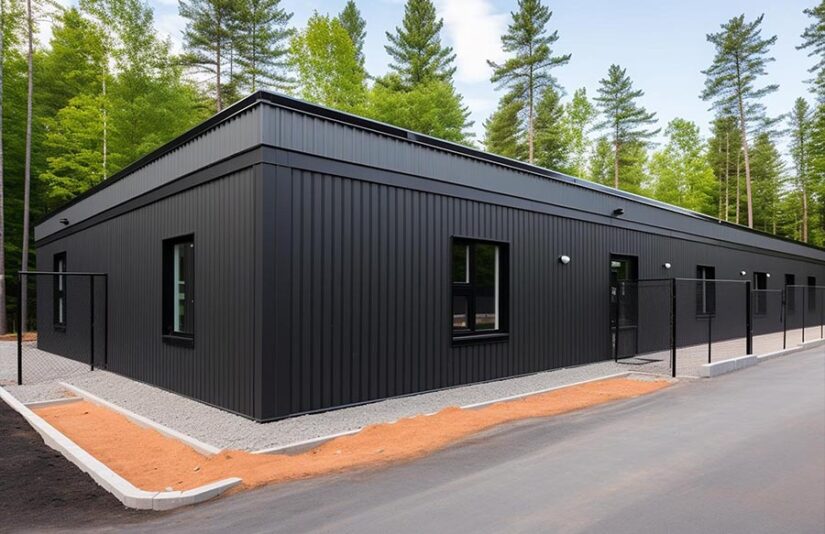
Metal vs. Termites: How Steel Buildings Save Thousands in Maintenance
When investing in a new structure – whether it’s a garage, barn, workshop, or commercial facility – there’s one enemy most property owners underestimate: termites. These small, wood-devouring pests cause over $5 billion in property damage annually across the United States, according to the National Pest Management Association. Yet, the simplest way to avoid costly […]
Read Article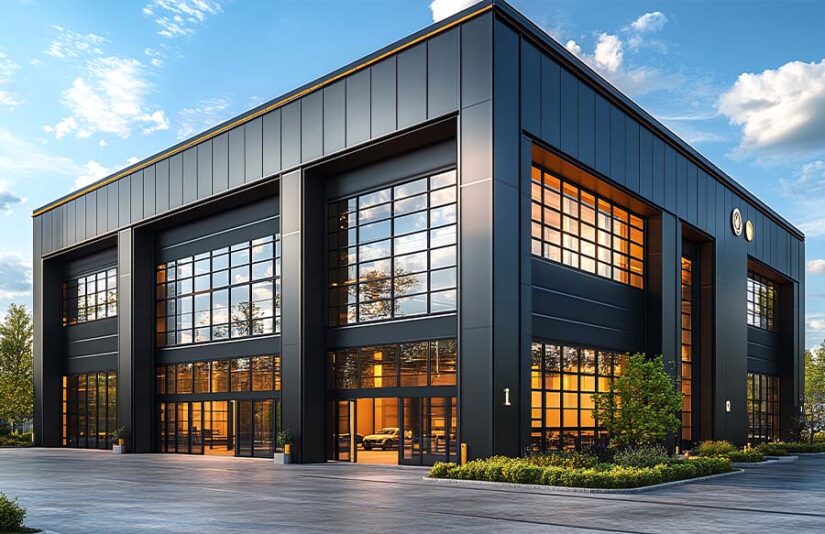
Starting a Workshop? Why Metal Buildings Are the Best Choice for Small Businesses
Starting a small business that requires a dedicated workspace – like woodworking, auto repair, manufacturing, or custom fabrication – means making serious decisions about your physical building. For entrepreneurs with limited startup capital and long-term vision, the structure you choose isn’t just a shelter – it’s an investment in efficiency, durability, and scalability. That’s why […]
Read Article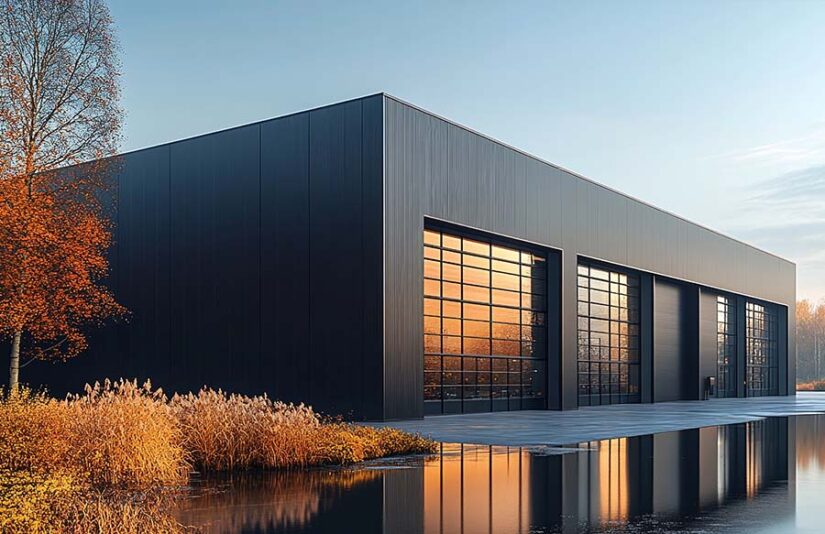
From Brewery to Gym: Creative Commercial Uses for Metal Buildings
Modern entrepreneurs are breaking away from traditional brick-and-mortar buildings and embracing a smarter, more flexible solution: metal buildings. Whether you’re opening a craft brewery, launching a boutique fitness studio, or building a multi-use commercial space, steel buildings offer unmatched versatility, speed of construction, and return on investment. Today’s metal structures are far from the plain, […]
Read Article