
Popular Metal Hay Barns
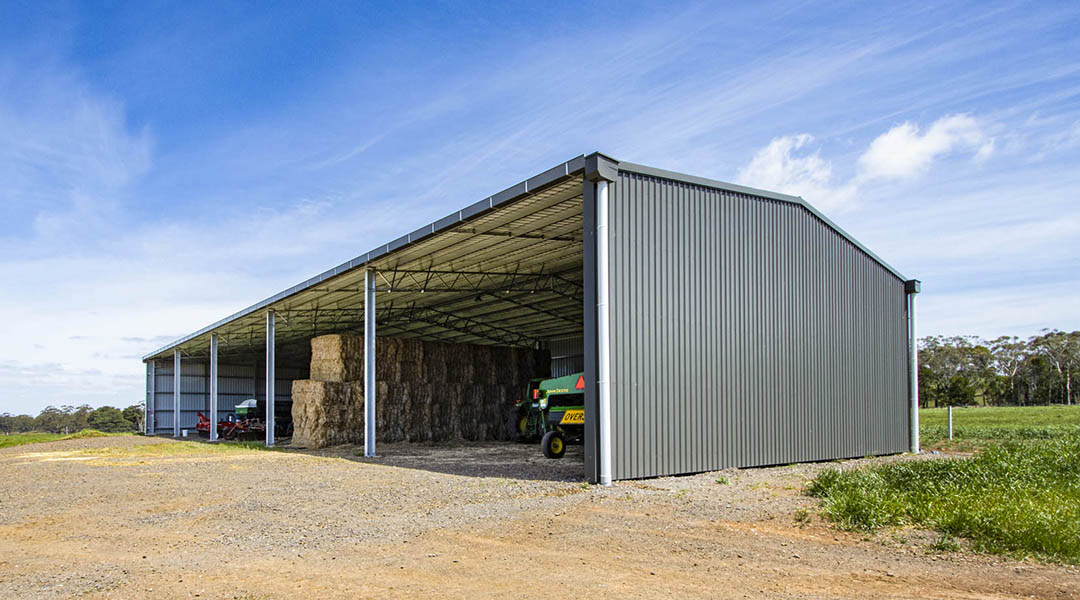
96×24 High-Capacity Steel Hay Barn
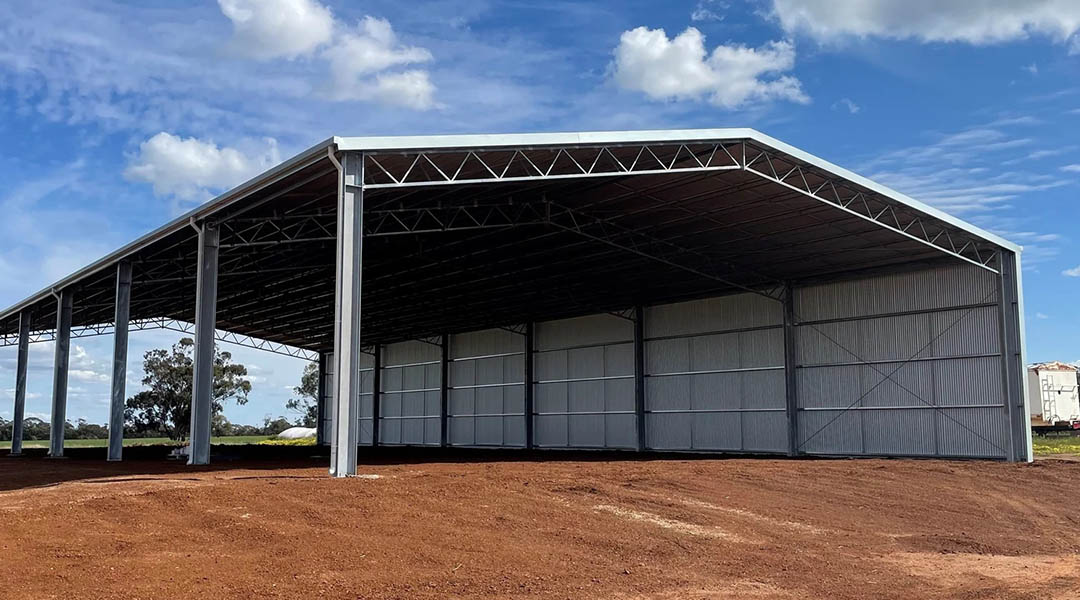
40×80 High-Volume Steel Hay Barn
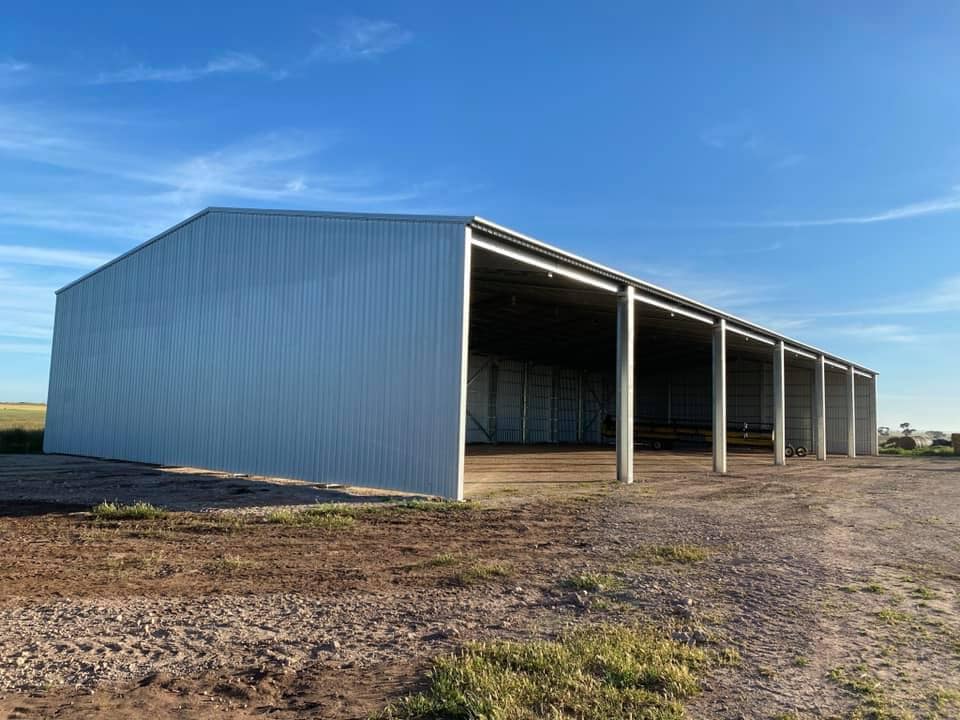
30×60 Large-Capacity Steel Hay Barn
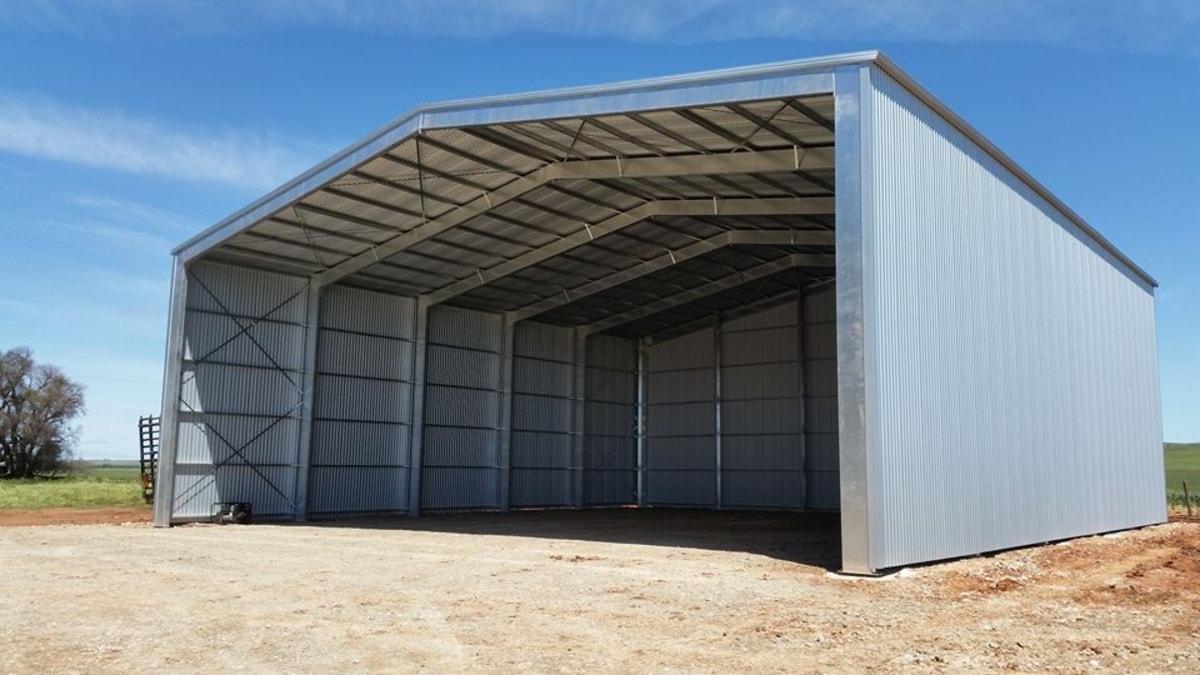
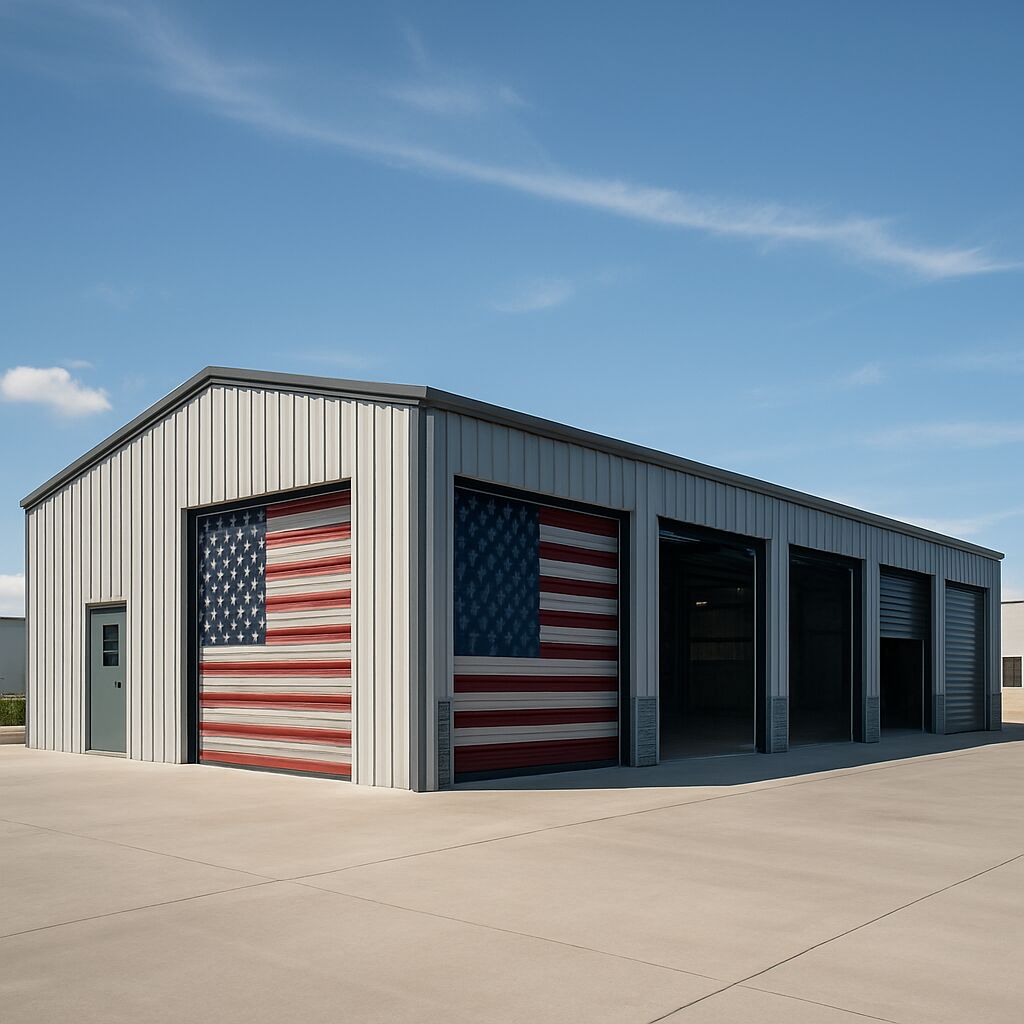
Why Metal Hay Barns Outperform Traditional Wood Structures
Proper hay storage directly impacts your farm’s profitability and livestock health. Spoiled hay means wasted money, reduced nutritional value, and potential health risks for your animals. A well-designed metal hay barn provides superior protection against moisture, mold, and weather damage while delivering decades of low-maintenance service.
This guide covers everything you need to know about metal hay barns – from why steel outperforms traditional wood construction to sizing, ventilation strategies, and regional design considerations that ensure your hay stays dry and nutritious year-round.
Superior Moisture Protection
Moisture is hay’s greatest enemy, triggering mold growth, reducing nutritional value, and creating dangerous heating that may lead to spontaneous combustion. Metal hay barns provide exceptional moisture barriers through galvanized steel panels that create a weather-tight envelope, shedding rain and snow immediately.
Wood barns are particularly vulnerable in humid climates where rot develops within 10-15 years, especially around foundation contact points. Steel doesn’t rot, warp, or deteriorate from moisture exposure, making it ideal for hay storage in any climate zone.
Pest Resistance and Fire Safety
Metal construction eliminates wood for rodents to gnaw through, and tight panel seams prevent easy entry points. While no barn is completely pest-proof, metal structures are significantly more resistant than wood alternatives.
Fire resistance is critical for hay storage. Dry hay is highly flammable, and improperly cured hay can spontaneously combust. Steel’s non-combustible nature provides critical safety protection. Many insurance companies offer reduced premiums for metal agricultural buildings, recognizing decreased fire risk.
Durability and Low Maintenance
Metal hay barns deliver 40+ years of reliable service with minimal maintenance. Wood barns need repainting every 7-10 years, periodic siding replacement, and structural repairs. Metal barns require only annual inspections, occasional fastener tightening, and minor paint touch-ups every 5-10 years. Modern PVDF coating systems maintain color and weather protection for 30+ years without repainting.
Maximizing Storage Capacity
Clear-span steel trusses eliminate interior support posts, allowing efficient stacking and equipment maneuvering. Wide-span designs from 30 to 100+ feet provide unobstructed space for tractors, skid steers, and hay wagons. Drive-through configurations with doors on opposite ends allow loading and unloading without backing equipment out, saving time during busy haying season.
Sizing Your Metal Hay Barn for Optimal Efficiency
Proper sizing depends on annual hay production, feeding schedule, and future growth plans.
Small Operations: A 24×30 foot barn (720 sq ft) accommodates approximately 100-120 large round bales stacked two high, suitable for farms with 10-20 head of cattle.
Mid-Sized Farms: A 40×60 foot structure (2,400 sq ft) holds 400-500 large round bales or multiple cuttings, working well for operations with 50-75 head of cattle.
Large-Scale Production: Buildings 60×100 feet or larger (6,000+ sq ft) accommodate commercial hay operations or ranches with 150+ head, often including multiple bays for separating different hay qualities.
Build slightly larger than current needs to accommodate herd growth and seasonal variations. Allow 15-20% extra capacity beyond calculated needs for efficient stacking, equipment maneuvering, and air circulation around bale stacks.
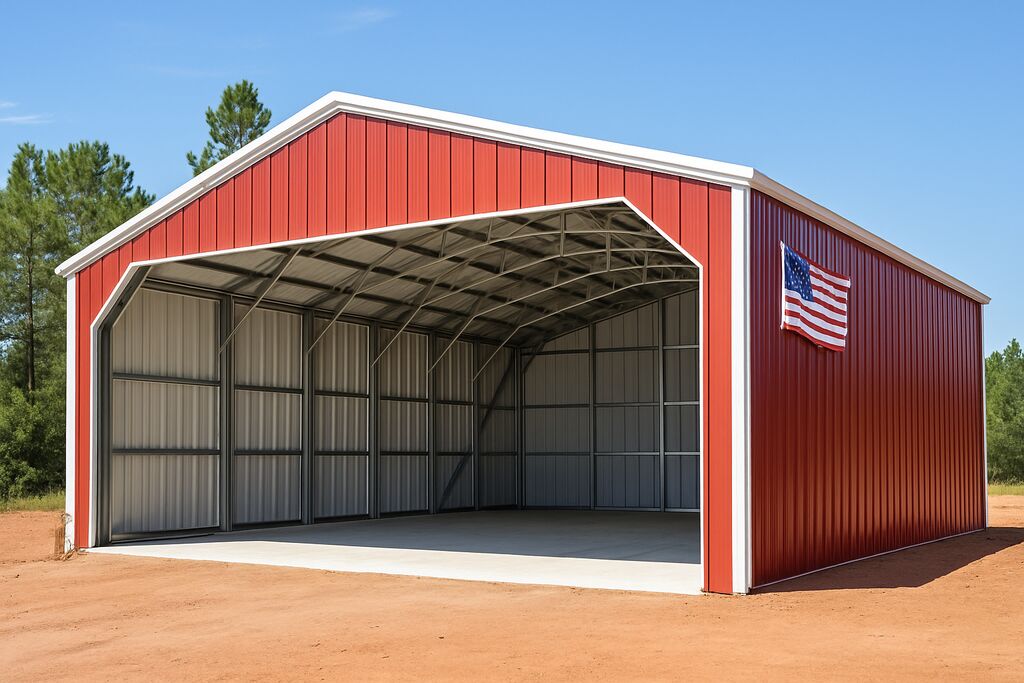
Critical Design Features for Hay Storage
Ventilation: The Key to Hay Quality
Proper ventilation prevents moisture accumulation and heat buildup that degrades hay quality. Even properly cured hay contains 15-20% moisture, and temperature fluctuations cause condensation without adequate airflow.
Ridge Vents: Continuous ridge vents along the entire roof peak allow hot, moist air to escape naturally. Heat rises, carrying moisture away from stored hay.
Sidewall Ventilation: Open eaves, louvers, or gaps at the top of sidewalls create cross-ventilation. This pulls fresh air through the structure, preventing stagnant pockets where moisture accumulates.
Gable Vents: Large openings at each gable end enhance air movement, particularly important in barns without open sides.
Ventilation Ratio: Target a minimum 1:100 ratio – one square foot of ventilation opening per 100 square feet of floor space. Humid climates benefit from higher ratios approaching 1:75.
Open-Sided vs. Fully Enclosed Designs
Open-Sided Hay Barns: Three-sided structures provide excellent natural ventilation while protecting hay from rain and snow. The open side typically faces away from prevailing weather. This design works well in moderate climates and maximizes airflow. However, driving rain may reach hay near the open side during severe storms.
Fully Enclosed Barns: Complete weather protection suits regions with high winds, heavy snow, or frequent severe weather. Enclosed barns require mechanical ventilation or carefully designed passive ventilation systems to prevent moisture buildup. Roll-up doors on multiple sides provide access while allowing controlled ventilation during dry weather.
Partial Enclosure: Many farms use a hybrid approach – enclosed on three sides with large sliding or bi-fold doors on the fourth side. Doors remain open during dry weather for ventilation and close during storms for protection.
Roof Design Considerations
Vertical Roof Panels: The best choice for hay barns, vertical panels shed rain and snow most effectively. Water and snow slide off rather than sitting on the roof, reducing leak potential and structural load.
Roof Pitch: Steeper pitches (6:12 to 8:12) improve water and snow shedding but increase building height and cost. Moderate pitches (4:12 to 5:12) balance performance and economy in most climates.
Roof Overhangs: Extended eaves (2-4 feet) protect hay near open sides from wind-driven rain. Overhangs also shield doors and sidewalls from weather, extending their service life.
Regional Design Considerations
Cold Climates
Northern states and mountain regions require roof trusses engineered for local ground snow loads (40-90+ pounds per square foot). Steeper roof pitches help snow slide off naturally. Consider heated zones near doors to prevent ice buildup during winter feeding.
High-Wind Zones
Great Plains and coastal regions require increased anchor bolts, heavier gauge framing, and reinforced connections for 140+ mph winds. Open-sided designs should face away from prevailing winds. Fully enclosed barns need properly rated doors.
Hot, Humid Climates
Southern and Gulf Coast regions benefit from light-colored or reflective roofing to reduce interior temperatures. Maximize ventilation through open-sided designs or mechanical systems. High humidity increases condensation risk, making airflow critical for hay quality.
Arid Regions
Western states face intense UV exposure requiring premium PVDF coating systems to resist fading. Temperature extremes demand proper fastener selection and installation techniques that accommodate thermal expansion and contraction.
Foundation and Floor Options
Gravel Base: The most economical option, 4-6 inches of compacted gravel provides drainage and prevents ground moisture from wicking into hay. Ensure the barn site is elevated or graded to prevent water pooling.
Concrete Slab: Provides a clean, permanent surface that simplifies hay handling and prevents ground moisture issues. Concrete is most beneficial for enclosed barns or structures with frequent equipment traffic. Include a vapor barrier beneath the slab.
Concrete Piers with Gravel: A middle-ground approach uses concrete piers for the steel framework with gravel fill for the floor. This provides solid structural anchoring while maintaining drainage and economical flooring.
Maintenance for Long-Term Performance
Annual inspections ensure decades of reliable service. Walk the perimeter checking for loose panels or damaged trim. Address paint chips immediately with touch-up paint to prevent rust. Check roof fasteners and clear debris. Lubricate door tracks and rollers twice yearly. Ensure vents remain clear and unobstructed. Verify proper drainage around the barn perimeter and check that foundation piers remain stable.
Building Your Metal Hay Barn with US Patriot Steel
US Patriot Steel delivers American-made quality with 100% domestic steel sourcing. Their comprehensive approach includes design consultation, engineered plans certified by licensed structural engineers, and flexible installation options from DIY kits to complete turnkey construction.
Standard warranties include 40-year panel perforation coverage, 30-year paint fade warranties on PVDF coatings, and 20-year structural frame protection. Nationwide delivery and professional installation crews ensure your project is completed correctly and efficiently.
Whether you’re storing your own hay or running a commercial operation, a properly designed metal hay barn protects your feed investment while delivering decades of low-maintenance service.
Ready to protect your hay investment? Contact US Patriot Steel today for expert guidance on designing the ideal hay storage solution for your farm.
Get A Free Custom QuoteCommon Metal Building Types
Concrete Slab Thickness Guide for Steel Buildings
A concrete slab, in the context of steel buildings, is the flat, load-bearing foundation surface that supports the building frame and all interior activity. In most projects, it serves both as a structural element and as the finished floor. Steel columns, wall loads, vehicles, equipment, and storage systems all transfer forces into the slab and […]
Read Article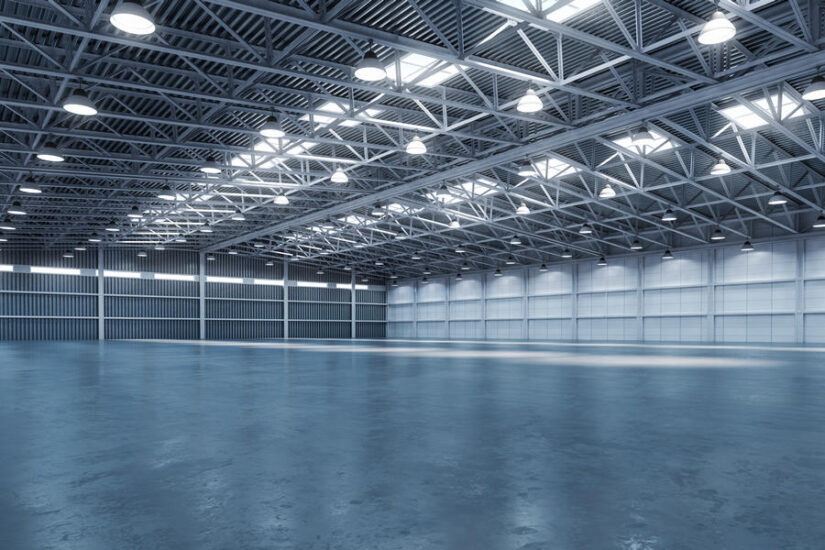
What Is a Clear-Span Metal Building?
As you’re researching different building options for commercial or industrial use, you may have heard about clear-span metal buildings and want to learn more about what they are and if they’re a good solution for your needs. We’ve created this guide to help. Here, we’ll discuss what a clear-span metal building is, different design options, […]
Read Article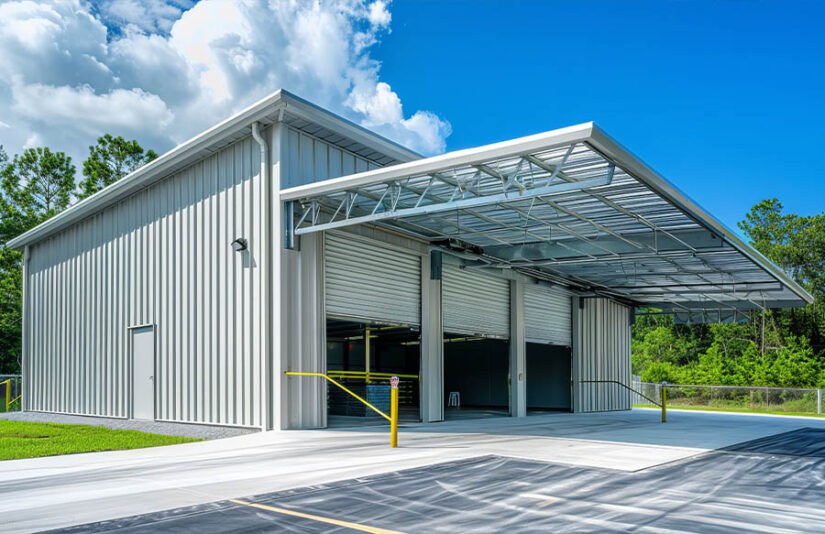
How to Expand Your Steel Building When Your Business or Farm Grows
Growth is a good problem to have. Whether you’re running a farm, a manufacturing shop, a storage facility, or a retail operation, expansion is often the sign of success. But what happens when your current building no longer meets your needs? If your structure is made of steel, you’re in luck. Steel buildings are among […]
Read Article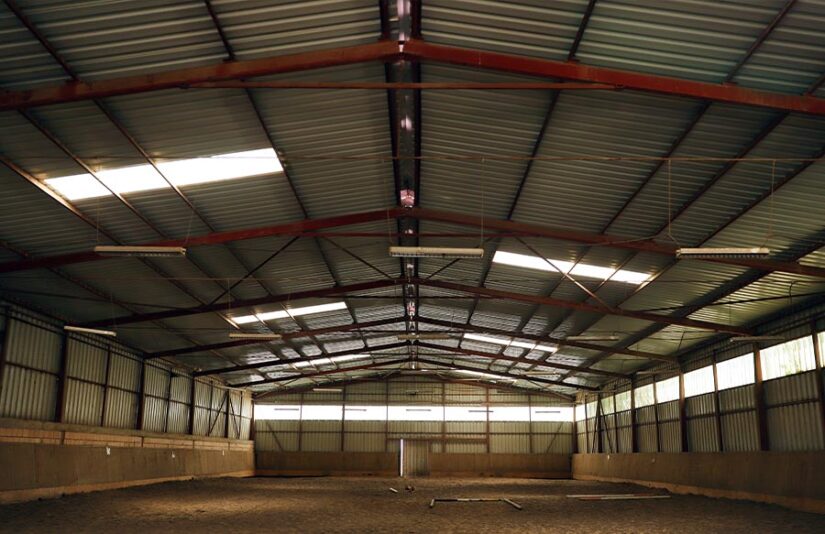
Hay Storage Done Right
For any farmer or rancher, protecting hay is protecting profit. A season’s worth of work – planting, cutting, baling – can be lost in a matter of weeks if stored in the wrong environment. Moisture, rot, and mold don’t just spoil hay; they can destroy feed value and create dangerous conditions for livestock. That’s why […]
Read Article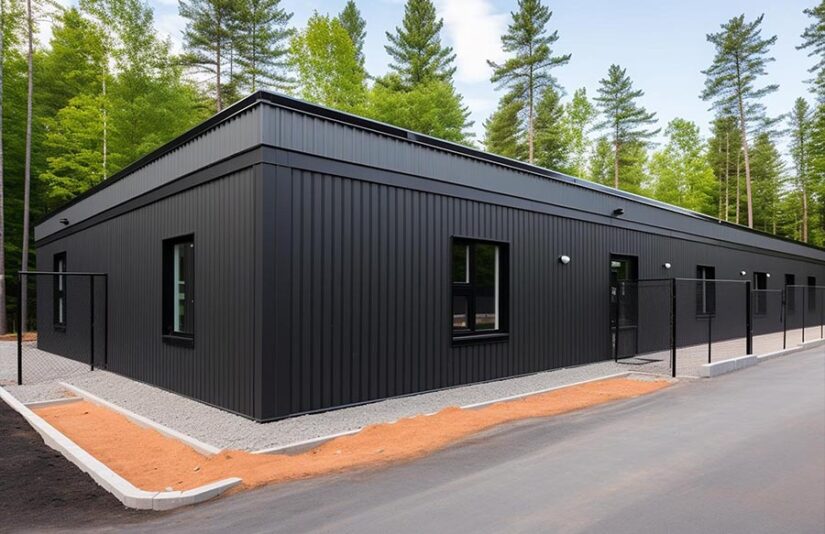
Metal vs. Termites: How Steel Buildings Save Thousands in Maintenance
When investing in a new structure – whether it’s a garage, barn, workshop, or commercial facility – there’s one enemy most property owners underestimate: termites. These small, wood-devouring pests cause over $5 billion in property damage annually across the United States, according to the National Pest Management Association. Yet, the simplest way to avoid costly […]
Read Article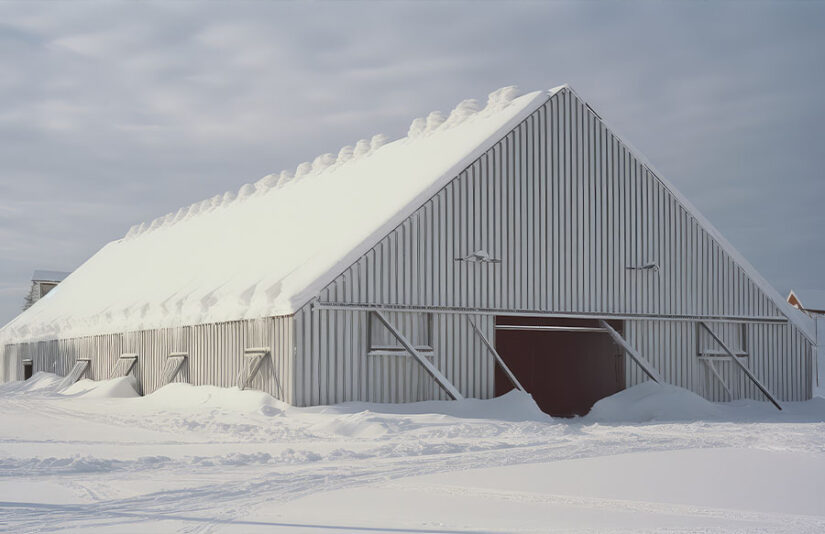
Why Barn Roofs Collapse in Snow
Barns are the heart of many agricultural operations, housing everything from livestock and feed to tractors and hay. Yet, in regions that experience heavy snowfall, these vital structures are also some of the most vulnerable. Every winter, stories emerge of barns giving way under the weight of accumulated snow – causing financial strain, business interruption, […]
Read Article
Fire Safety First: How Steel Buildings Provide Superior Protection
When you invest in a building – whether it’s a garage, barn, commercial facility, or workshop – fire safety should never be an afterthought. Fires can break out for many reasons, from electrical malfunctions to wildfires, and the consequences can be devastating. That’s why more and more property owners across the U.S. are choosing steel […]
Read Article
Quonset Huts vs Steel Buildings: Which is the Better Choice for Your Next Project?
When planning your next building project – whether it’s a garage, barn, workshop, or commercial facility – you’re likely weighing your options between two popular types of steel structures: Quonset huts and rigid-frame steel buildings. Both offer durable, cost-effective, and long-lasting solutions, but they differ in form, function, and flexibility. In this guide, we’ll break […]
Read Article
Steel Garages vs. Pole Barns: Which is Better for Your Needs?
If you’re planning to add a new structure to your property – whether for vehicle storage, a hobby workshop, or a hybrid space – you’re likely deciding between a steel garage and a pole barn. Both offer practical and affordable solutions, but they differ in construction, durability, and long-term value. At US Patriot Steel, we’ve […]
Read Article