
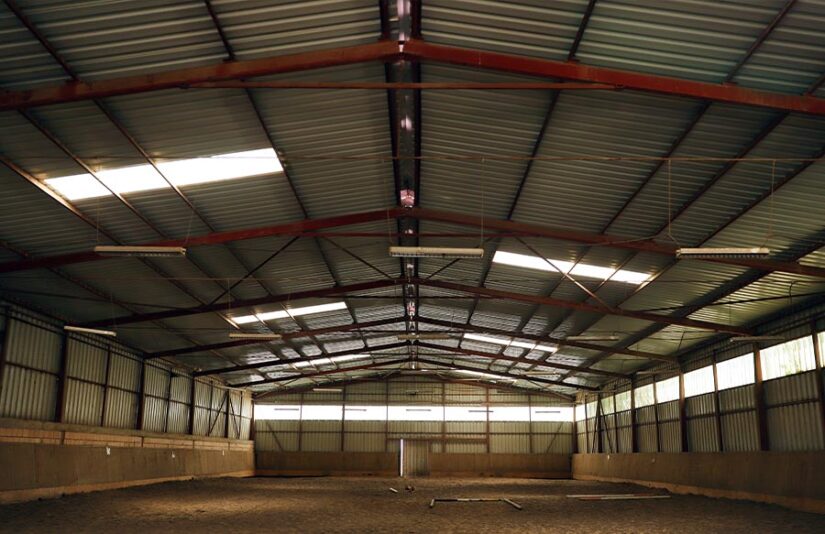
For any farmer or rancher, protecting hay is protecting profit. A season’s worth of work – planting, cutting, baling – can be lost in a matter of weeks if stored in the wrong environment. Moisture, rot, and mold don’t just spoil hay; they can destroy feed value and create dangerous conditions for livestock.
That’s why more agricultural operators across America are turning to steel buildings. These structures are engineered to keep hay dry, clean, and safe in every season – and they do it better than wood or pole barns ever could.
Why Moisture Control Is Everything
Hay begins deteriorating as soon as it’s exposed to moisture. Even a few damp bales can start a chain reaction of mold growth, internal heating, and in extreme cases, spontaneous combustion. Once mold takes hold, there’s no salvaging the bale – it becomes unusable and unsafe.
Traditional storage methods – such as open-sided pole barns or tarped stacks – might seem cost-effective at first, but they often trap condensation and allow air leaks that let moisture in. Over time, these small compromises lead to significant losses.
An adequately designed steel hay building changes that. Its strength, ventilation, and moisture resistance work together to create a stable environment that keeps hay at its optimal condition.
Built to Breathe, Not to Rot
Steel’s natural advantage is that it doesn’t absorb moisture, warp, or decay. Unlike wooden posts and beams that soak up humidity and transfer it to nearby bales, steel remains impervious. That one difference dramatically reduces the risk of mold and spoilage.
But moisture protection is about more than material – it’s about design. A steel hay storage building allows for precise ventilation and airflow, preventing condensation from forming on interior surfaces. By controlling air exchange, the structure maintains a steady internal climate that discourages both dampness and excess heat buildup.
Farmers who’ve made the switch often notice that their hay smells fresher, bales stack cleaner, and waste at feeding time drops significantly. Over several seasons, those savings add up to thousands of dollars in preserved feed value.
Fire Safety: An Often Overlooked Benefit
Moisture and fire might sound like opposites, but they’re linked. Damp hay can trigger internal chemical reactions that build heat. When trapped in a poorly ventilated barn, the heat can sometimes ignite. It’s a problem as old as farming itself – and one that’s far less likely in a steel-framed structure.
Steel doesn’t burn, and it doesn’t add fuel to a fire the way wood does. In areas where insurance premiums reflect the risk of fire loss, this difference alone can significantly reduce costs. For farmers storing hundreds of tons of hay, a non-combustible structure is more than peace of mind – it’s protection for equipment, feed, and livestock.
Designed for Every Season and Every Region
From humid Gulf states to the snowy Midwest, steel buildings stand up to conditions that quickly break down traditional barns. They’re engineered to meet the International Building Code (IBC) and ASCE 7 standards for wind and snow loads, which means your hay stays protected whether you’re in Kansas, Kentucky, or coastal Carolina.
A well-insulated steel building also maintains stable internal temperatures. In summer, reflective roof coatings help prevent heat buildup, while in winter, vapor barriers and insulation avoid condensation from forming inside. The result: your hay stays dry and nutrient-rich all year long.
Long-Term Value That Pays You Back
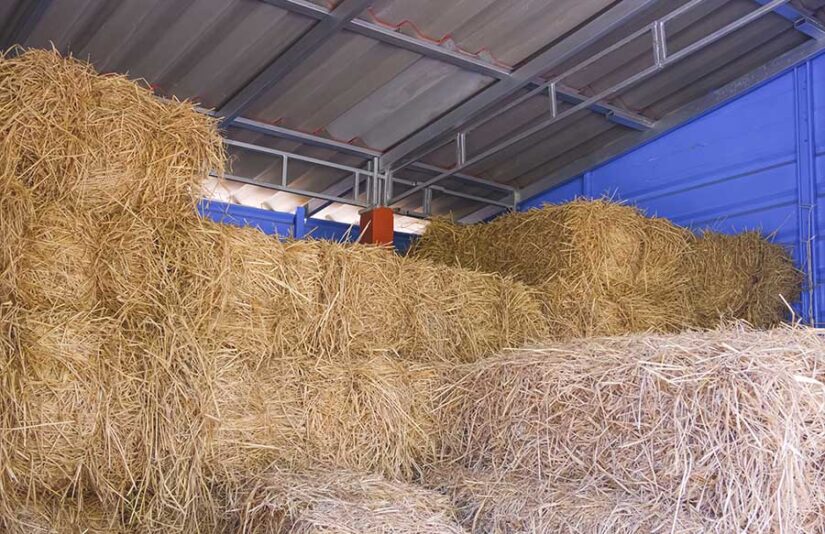
Wooden barns may look less expensive on paper, but they’re not built to last. Rot, pests, and routine repairs drive up maintenance costs, while steel’s durability keeps them low. A steel hay storage building can easily last 40 years or more with minimal upkeep – often outlasting several generations of wooden structures.
That longevity translates into better economics for the farm. Less waste, fewer losses, and lower insurance costs add up to measurable savings. And because steel buildings are modular, they can expand easily as your operation grows. When you need more capacity, you won’t have to start from scratch.
Tailored for Your Operation
No two farms are the same. Some operations require wide, open floor plans for storing round bales; others prefer sectioned areas for stacking square bales or storing equipment. Steel construction offers the flexibility to create exactly what you need.
You can choose open-sided sheds for quick access or fully enclosed barns for maximum weather protection. Add skylights for natural light, sliding or roll-up doors for easy access, and integrated ventilation systems to maintain consistent airflow. Each building is engineered to your local load requirements and specific storage volume.
Sustainability Meets Strength
Steel isn’t just durable – it’s sustainable. Every component is recyclable, and most U.S.-made steel already contains a high percentage of recycled content. Combined with energy-efficient insulation and natural ventilation, these buildings reduce environmental impact while supporting the long-term productivity of your farm.
Choosing steel also means building with American materials. US Patriot Steel sources domestic steel that meets rigorous ASTM and AISC standards, ensuring your building is strong, safe, and compliant from the ground up.
Why Farmers Trust US Patriot Steel
At US Patriot Steel, we understand that hay storage isn’t a side project – it’s a vital part of your agricultural operation. Our steel buildings are engineered to meet the real conditions farmers face every day. From design to delivery, we work closely with you to create a structure that suits your land, climate, and workflow.
Each building is backed by a 40-year structural warranty and supported by a dedicated U.S.-based team that helps you every step of the way. You can count on us for design expertise, compliance with agricultural building codes, and materials that stand the test of time.
A Smarter Way to Protect Your Harvest
Hay represents months of effort, and the building that guards it should be just as reliable. A steel hay storage structure delivers what wooden barns can’t: true moisture protection, year-round ventilation, and a lifespan that extends far beyond the next harvest.
Whether you’re feeding cattle, horses, or selling to local dairies, dry hay is your livelihood. Steel keeps it that way.
Get Your Free Building Quote
Don’t let moisture ruin your hard work.
Request a free quote from US Patriot Steel and see how an engineered steel building can protect your hay – and your bottom line.