
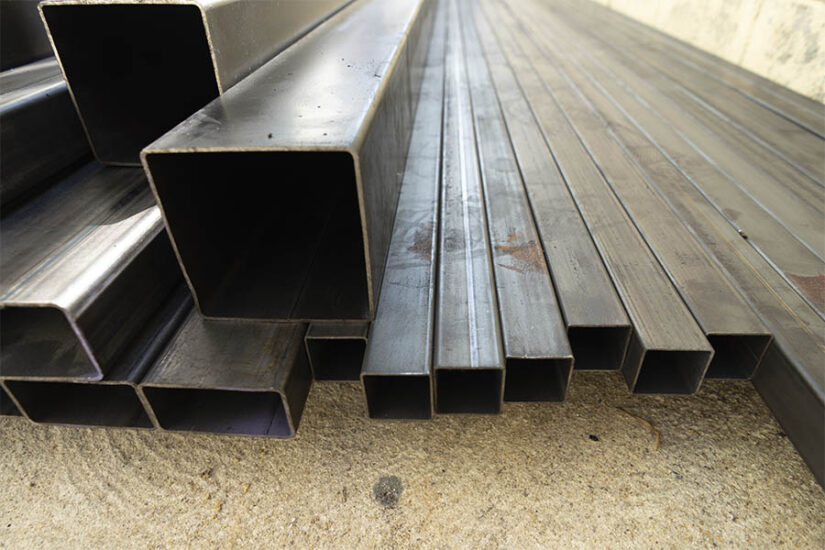
Whether you’re a hobbyist or a commercial business owner, there’s a lot to decide when you’re designing a steel building. That includes the type of metal building framing you choose.
The two standard options for most metal building projects are 12-gauge and 14-gauge framing. What’s the difference between 12 vs. 14 gauge steel framing, and which is best for your needs? We’ve put together a full steel framing gauge comparison here to help you decide.
What Does Steel Gauge Mean?
The gauge system for steel refers to its thickness. It’s an important thing to know about since it affects how much weight your framing can bear and how it holds up against different weather conditions.
The gauge system can feel a bit confusing because the lower the number, the thicker the steel is. So, 12-gauge steel framing is thicker than 14-gauge steel framing.
Really, the difference between the two is about 0.03 inches in thickness, but that matters quite a bit because it greatly affects the strength of your building’s structure.
Understanding 12-Gauge Steel Framing
As mentioned, 12-gauge steel is the thickest and strongest framing option for a metal building. It’s also the more expensive option, so it’s important to consider your budget in this decision.
12-gauge steel is about 0.1046 inches thick. It’s particularly a great option for larger commercial buildings since there’s a lot of weight to bear with a bigger structure.
It’s also a great choice in locations with harsh weather, such as strong winds or snow. Some states will even require that you use 12-gauge steel for certain types of metal buildings because of how harsh weather can affect them, so you should check local regulations before deciding.
Understanding 14-Gauge Steel Framing
14-gauge steel is the thinner option at around 0.0747 inches thick. It’s also more affordable, so it can be a good option if budget is a concern.
14-gauge steel is often a great choice when you need a smaller building for general use, a light commercial project, or if you’re in an area with milder weather conditions. Some common use cases include steel garages, storage areas, or agricultural buildings.
While 14-gauge steel isn’t as strong and durable as 12-gauge, it still has plenty of hardiness to it for smaller buildings and will hold up much better than other building material options like wood.
12 Gauge vs. 14 Gauge Steel Framing: Key Differences
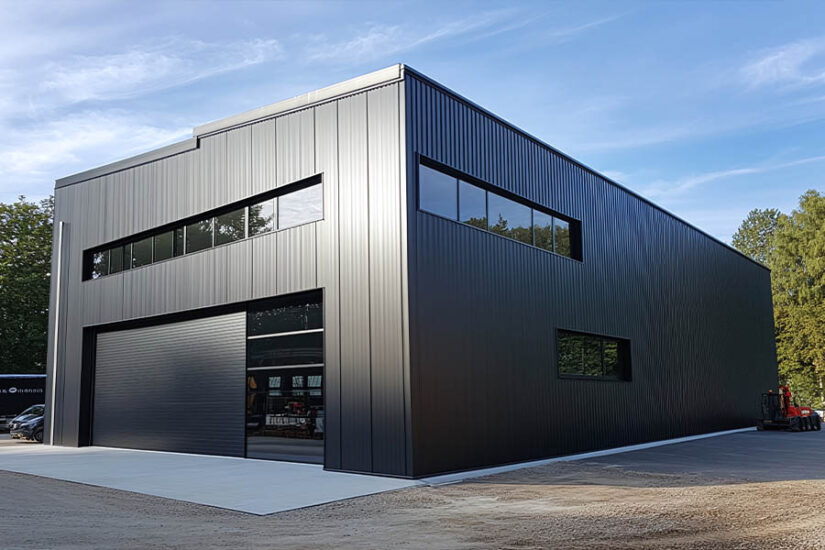
Some of the main differences you’ll want to consider when choosing between these two steel gauge thickness options are:
Strength and Load Capacity
12-gauge steel is the stronger option with a higher load capacity. That’s why it’s commonly used for large commercial buildings or metal buildings in areas with harsh weather. However, if your building doesn’t require a ton of load capacity, it’s worth exploring 14-gauge steel as an option since it’s more cost-effective.
Organizations like the American Society of Civil Engineers have performed extensive research on minimum design loads for buildings and other structures, so it’s a good idea to review established safety regulations during this decision.
Durability and Structural Longevity
12-gauge steel is the more durable option and tends to last the longest with better resistance to dents, wind, snow, and hail. That said, 14-gauge steel still has great longevity for the money and makes for a solid investment when it’s sufficient for the type of building and the location you’re in.
Building Span and Height Capabilities
In-depth research from the American Iron and Steel Institute stresses that thicker framing and stronger support systems are required as the span and height of a building increase.
It’s often recommended to opt for thicker 12-gauge steel framing for any building that’s taller than 10 feet or wider than 30 feet to ensure it has enough structural support.
Cost Differences
On average, 12-gauge steel costs about 15-25% more than 14-gauge steel for an entire structure. That’s a pretty significant price difference between the two and makes it worth exploring 14-gauge steel when your project allows it.
Installation and Fabrication Considerations
12-gauge steel is much heavier, which makes it harder to produce and install. That can add extra labor costs or time to the project when constructing your building compared to lighter 14-gauge steel framing.
How Steel Gauge Impacts Building Performance
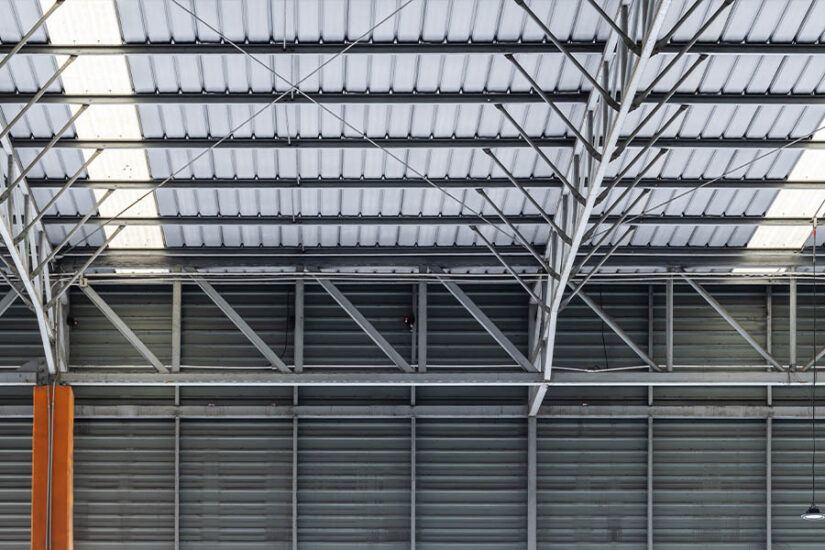
Another big performance consideration you’ll want to make between these two options is the impact on framing spacing.
Since 12-gauge steel is stronger, it allows for wider spans without support beams in the middle. That’s especially important if you want to invest in a clear-span metal building that doesn’t include any interior support beams.
Interior support beams can get in the way for certain use cases, like large commercial warehouses that need enough space to operate forklifts and store merchandise. So, there can be a performance consideration in this decision depending on how you intend to use your building.
Common Misconceptions About Steel Gauge Thickness
There are a few common misconceptions that can come up about steel gauge thickness that are important to clear up before you decide. Those include:
- Misconception #1: Thicker always means overbuilt.
- The reality: Thicker steel framing is necessary for many use cases, like large commercial buildings or when harsh weather could damage your building if it isn’t strong enough. It’s a good idea to carefully review safety considerations and local building codes when deciding.
- Misconception #2: Gauge doesn’t matter if the building is small.
- The reality: The gauge can still matter for small buildings. While some small buildings can do well with 14-gauge steel framing, not all of them will. For example, areas where harsh winds or heavy snowfall are common may still demand 12-gauge steel for small buildings.
- Misconception #3: All steel buildings use the same framing.
- The reality: There are many different types of metal buildings that require varying framing thicknesses and structures. You should choose framing based on the type of building you need, the use case, local weather conditions, and any relevant building codes you need to follow.
Steel Framing Options at US Patriot Steel
At US Patriot Steel, we’re here to provide you with high-quality American-made metal building solutions. We offer many different types of metal buildings for varying use cases, such as workshops, barndominiums, residential buildings, or commercial and industrial buildings, in both prefab kits or with custom designs based on your needs.
We can help you design a metal building with the appropriate steel framing based on your use case, location, and building code requirements. With our 50 years of experience and a 60-year structural warranty on our metal buildings, we stand behind our work so you can feel confident in your decision.
Want to learn more? Contact us today to get a custom quote or ask any other questions you have.
Call Us: (888) 415-1576