
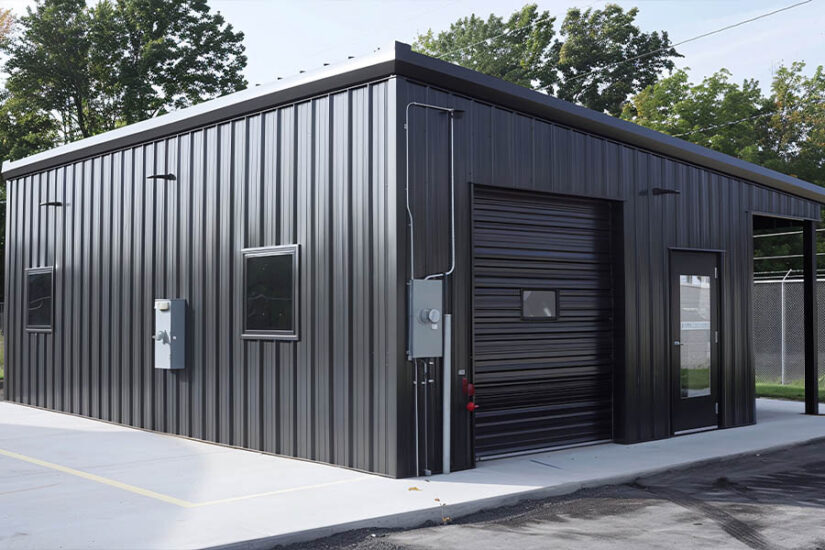
If you’re considering a prefab garage (a pre-engineered garage) vs a stick-built garage, you may be worried about cutting corners. Is a prefab garage “good enough”?
While both are common across the United States and can provide long-lasting results, the main differences come down to how they are built, what they cost, and how well they align with your priorities.
What is a Prefab Garage?
A prefab garage is designed and engineered off-site, then delivered as a kit or modular system for assembly at the building location. They typically use steel framing, engineered components, panels, and fasteners, and arrive with installation and assembly instructions.
These are frequently used for vehicle parking or storage, workshops, or agricultural equipment/
What is a Stick-Built Garage?
A stick-built garage is built onsite using traditional wood framing. This means that the structure is constructed piece by piece, using lumber, sheathing, roofing, and finishes.
This is often a go-to when builders or owners wish to prioritize aesthetics, such as matching a residential home. It’s also frequently used when the project doesn’t involve standard layouts (meaning a prefab garage often can’t provide this).
This option also allows for a large amount of control when it comes to materials and finishes. It also often employs general contractors for the entire build.
Construction Time and Project Timeline
Overall, the construction time between prefab and stick-built garages can vary significantly. Prefab garages typically involve a shorter on-site timeline because the major components arrive ready for assembly. Depending on complexity, many prefab garages can also be erected in a matter of days once the foundation is in place.
On the other hand, stick-built garages may take more time due to the unique construction of the metal building. Each phase, including framing, sheathing, roofing, and finishing, may require its own inspection, and delays from weather, subcontractor scheduling, or material availability can extend that timeline.
Cost Considerations
If you’re on a tight budget, prefab garages come with a more predictable price tag. This is due to the standardization of the materials and engineering.
Stick-built garages often cost more and can be unpredictable in some cases. But this will depend on lumber prices, labor rates, design, and other factors. Plus, custom features may add to your final total.
With that said, foundation work, site preparation, and permit fees apply to both, regardless of construction method.
Durability and Structural Considerations
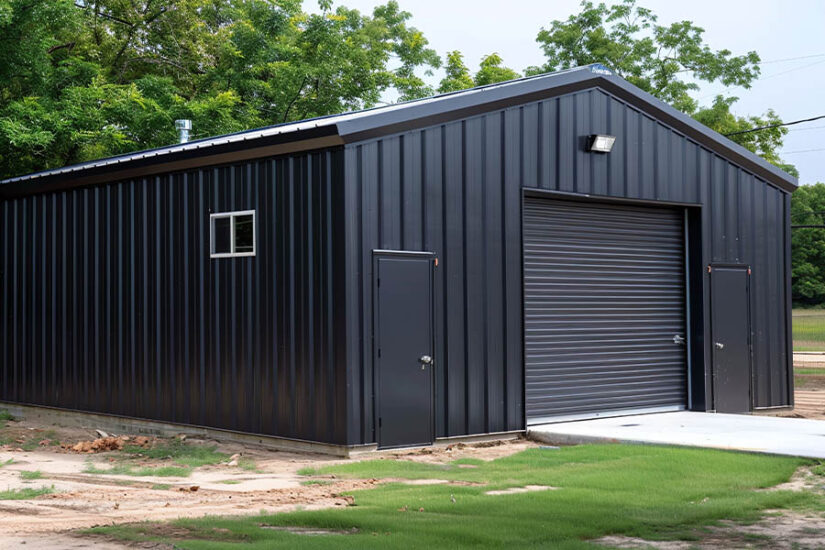
Steel-framed prefab garages sidestep many of wood’s long-term vulnerabilities; for instance, they won’t rot, warp, or attract termites, and they handle humidity and temperature swings fairly well. On top of this, many prefab garages come with structural warranties.
However, wood-framed, stick-built garages can be just as durable as long as they’re properly maintained. At the same time, more attention may be necessary to maintain the structure in climates where pests or moisture are common. Additionally, the quality of the construction materials will play a part here. A structure with quality lumber, framing techniques, and protective treatments will last much longer than one that opts for cheaper materials.
Design Flexibility and Customization
Generally, stick-built garages offer more freedom when it comes to layout, size, and appearance. With prefab garages, you’re paying for a set, pre-engineered building. But prefab garages are becoming more customizable.
Many providers, including companies like US Patriot Steel, offer options for size, door placement, roof style, color, insulation, and interior layout. While the design works within a pre-engineered framework, the range of available configurations has expanded considerably.
Maintenance and Long-Term Ownership
Prefab garages generally require less maintenance. The painted steel panels tend to hold up well, and the materials are specifically chosen to resist moisture, pests, and UV degradation.
Stick-built garages, often because of their customization, may require more frequent maintenance. Wood siding, trim, and roofing will eventually need repainting, sealing, or replacing, especially in areas with harsh winters, heavy rain, or termite activity. The upside is that when repairs are needed, wood is easy to fix with standard tools and methods.
Permits, Codes, and Approvals
As with any building construction, your garage must meet building codes and zoning requirements in your specific area. Some factors to keep in mind here include:
- Foundation specifications
- Setback distances
- Height limits
- Structural load ratings
Additionally, most regions require a building permit, regardless of whether the garage is prefab or stick-built.
Generally, prefab garages are often made to meet these coding requirements. But it’s always a good idea to double-check. In contrast, the building contractor is usually in charge of ensuring that coding and permits are covered when constructing a stick-built garage.
Which Option Makes Sense for Different Needs?
Your choice ultimately depends on your specific needs. Prefab garages are great for individuals who prioritize speed, cost predictability, and low maintenance. These are excellent for vehicle storage, workshops, or equipment sheds.
However, if you want your garage and home or other buildings to match, customizing things with a stick-built garage may make the most sense. While it may come with a higher investment, there’s more flexibility here.
At the end of the day, the right choice depends on your specific situation. Assess what you need and your priorities, then go from there.
Frequently Asked Questions
Yes, prefab garages are installed on permanent foundations and are considered permanent structures.
Both options can last for decades, depending on maintenance and care. Prefab garages usually come with warranties or even warranty options. Meanwhile, stick-built garages can last quite long when using quality materials and keeping up with proper maintenance.
Typically, prefab garages are faster to assemble. This is because everything arrives ready to be constructed. Stick-built garages may take longer due to various stages and potentially any delays on supplies.
Yes, today prefab garages come with many customization options, including size, doors, layout, color, insulation, and more. However, these customizations are within a set pre-engineered framework, meaning you will be limited by your options and the choices available.
In most areas, yes. Both prefab and stick-built garages must comply with local building codes and typically require permits before construction begins. Always check with your local authority to confirm what is required before you build.