
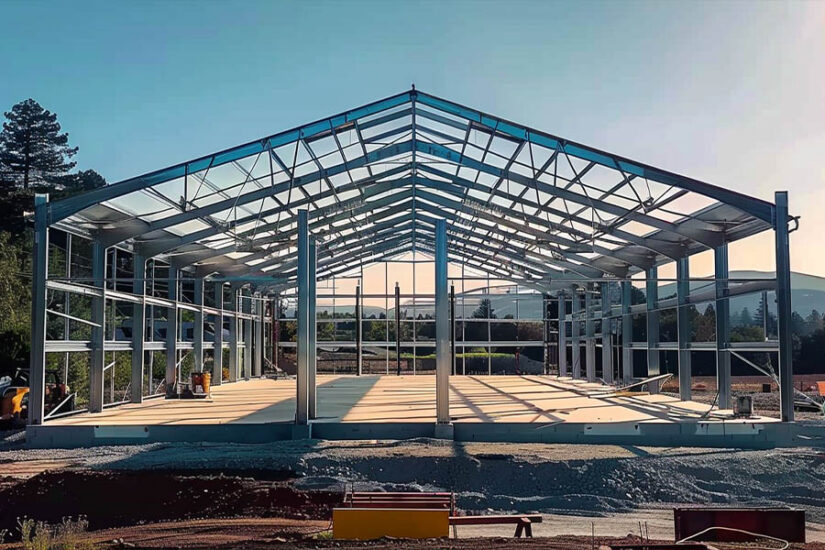
Metal garages are highly customizable, which is part of what makes them such a popular choice. However, this flexibility can also lead to planning oversights.
Many of the issues people encounter with their metal garages aren’t due to the materials themselves; they typically stem from decisions made during the design phase. So, what mistakes should you avoid? And how can you make smarter choices upfront?
Why Design Planning Matters for Metal Garages
Metal garages are typically built for long-term use. Unlike temporary structures, they’re meant to serve a purpose for decades to come. And this is why design decisions carry so much weight; they affect functionality, overall cost, and your ability to adapt the space in the future.
The reality is that fixing mistakes after installation is almost always more expensive and more complicated than getting it right from the start. But a little extra planning now can save you headaches and hassle later on.
Mistake #1: Choosing a Garage That’s Too Small
It’s easy to measure your vehicle and assume that’s all the space you need. But garages aren’t just for parking!
You’ll likely want room to open doors comfortably, walk around the vehicle, and store tools, equipment, or seasonal items. Many people also use their garages as workshops or hobby spaces (more on this in the next section).
So, when in doubt, go a size up! Future needs are hard to predict, but extra square footage rarely goes to waste.
Mistake #2: Ignoring Door Size and Placement
Garage doors that are too narrow or too short can create daily frustrations. Plus, trucks, SUVs, and lifted vehicles often need more clearance than people expect. And if you ever plan to bring in equipment, trailers, or recreational vehicles, a tight opening becomes an ultra-annoying limitation.
Poorly positioned doors can make parking awkward or disrupt workspace flow. Thus, before finalizing your design, think through how you’ll actually use the garage, not just what you’ll store in it.
Mistake #3: Not Accounting for Ceiling Height
Vertical space is easy to overlook, but ceiling height affects more than aesthetics. If you ever want to install a vehicle lift, overhead storage racks, or taller shelving, a low ceiling will immediately get in the way.
Even without these additions, a higher ceiling makes the space feel more open and functional. So, think about it this way: How will you use your garage in five or 10 years from now? Plan your height accordingly; it might matter down the road.
Mistake #4: Overlooking Climate and Local Conditions
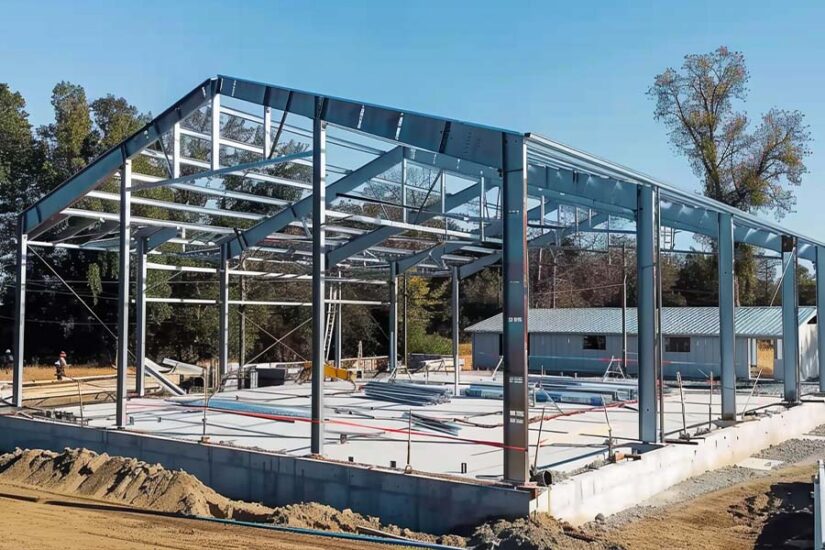
In regions with heavy snowfall, you’ll want a roof style that allows snow to easily slide off; in fact, vertical roof panels are often recommended for this reason. Areas with significant rainfall benefit from the same. The last thing you want is snow or water accumulating on your roof.
On top of this, buildings in open, windy areas may experience different wind loads depending on the roof configuration, so it’s worth factoring this into your planning. Local building codes often reflect these regional conditions, but it’s still wise to think through how the weather will affect your structure, especially years down the road.
Mistake #5: Skipping Insulation and Ventilation Planning
Some buyers assume insulation can easily be added after installation. While technically possible, retrofitting insulation is more difficult and expensive than installing it during the original build.
Even if you don’t plan to heat or cool the garage, insulation helps regulate temperature swings and reduces condensation. And as you likely already know, moisture buildup inside a metal structure can lead to rust, mold, and damage to stored items.
On that note, proper airflow also helps manage humidity and keeps the interior environment healthier, even in garages that aren’t climate-controlled.
Mistake #6: Not Planning for Electrical and Interior Use
Many people design their garages with parking in mind and overlook electrical needs. But once the building is up, you’ll likely want lighting, power-tool outlets, or charging stations for equipment, particularly if you plan to use the space as a workshop, home gym, or hobby area.
Like other factors, planning for wiring and panel access during the design phase is far easier than adding it later. Even relatively simple garages may benefit from a few well-placed outlets and adequate lighting. Think about how you’ll actually spend time in the space; this can ultimately help determine what you’ll need.
Mistake #7: Choosing Design Based Only on Price
It’s tempting to make every decision based on the upfront costs, especially when working within a budget. But, as you’re probably realizing, the cheapest option isn’t always the most cost-effective in the long run.
Cutting corners on size, materials, or features can result in a garage that doesn’t meet your needs or requires costly modifications later. A better approach is to balance your budget against how you’ll actually use the building and what you might need in the future.
How to Avoid These Metal Garage Design Mistakes
So, think beyond parking! Consider storage, workspace, hobbies, and potential future uses. How will you use this space in the years to come?
From there, factor in your local climate and any relevant building codes. Make sure to also review your overall design decisions; take into account the door size, ceiling height, insulation, electrical planning, and how they interact with one another.
Working with an experienced metal building provider can also help. At US Patriot Steel, we can guide you through these considerations and match design choices to your real-world needs.
Frequently Asked Questions
The most common regret is going too small. Many buyers wish they had added at least one size up to accommodate storage, workspace, or future vehicle changes.
Some can, but retrofitting is usually more expensive and complex than planning up front. Adding insulation, installing electrical services, or changing door sizes after the fact often requires significant additional work and costs.
Yes, poor planning can lead to wasted space, inefficient layouts, moisture problems, or the need for costly modifications later.
As much as possible! Define your intended use, consider future needs, review climate factors, and think through electrical and interior requirements before finalizing your design.
It’s not strictly required, but working with an experienced provider can help you avoid common pitfalls and ensure your design matches your actual needs.