
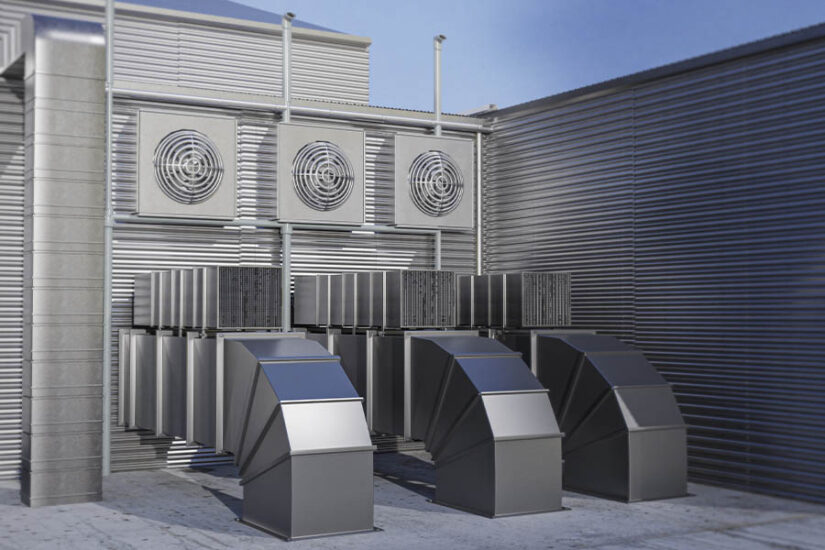
A sturdy metal building is a great investment in many industries and for lots of different use cases. It provides a strong support structure, effectively resists outdoor elements, and offers terrific longevity so you can feel confident in your decision.
However, as you’re researching options, one of the crucial elements to consider is metal building ventilation. There are many different types of metal building ventilation systems, and the right option to choose can vary based on your location, building’s size, and intended use case.
Why is ventilation for metal buildings important, and how do you make sure the ventilation options you choose suit your needs? We’ve created this guide to help you make educated decisions along the way. Stick around for all the information.
Why Ventilation Is Important
Proper ventilation is crucial in metal buildings for many reasons:
- It prevents heat buildup and helps with temperature control to create a comfortable and safe environment.
- It helps with moisture management and prevents condensation that could ruin products, produce, or materials you’re storing or cause mold to form over time.
- It protects equipment, vehicles, or livestock in your building, keeping them in a safe and comfortable space.
- It ensures healthy indoor air quality. OSHA’s guidelines for ventilation state that many construction flaws can contribute to air pollution, such as poor foundations, roofs, or window and door openings that prevent proper airflow. Therefore, it’s important to ensure your building is designed safely and well-ventilated.
- It leads to better longevity for steel structures that could degrade over time with too much moisture and heat inside.
Common Ventilation Problems in Poorly Ventilated Metal Buildings
Some of the most common problems you’ll see in poorly ventilated metal buildings are:
- Condensation and corrosion: When warm and humid air hits cold metal surfaces, it forms condensation along the walls, roof, and foundation. That can lead to many long-term problems like rust, mold, mildew, and structural damage.
- Excessive interior heat: Poorly ventilated buildings will get really hot inside. That’s especially dangerous during warm summer months or if you have heavy machinery operating inside. So, it’s a matter of both comfort and safety for anyone working in the building or the products or equipment you store in it.
- Reduced usability: If your building is hot and uncomfortable or starts to get damaged from poor ventilation, you stop being able to use it for its intended purpose until the problem is solved. It can end up being costly in both repairs and disruptions to your operations.
- Damage to insulation and interior finishes: Having condensation build up in your building will also damage the insulation and interior finishes over time. It ends up adding even more repairs you’d have to make to get your building in working order again.
How Ventilation Works
Metal building ventilation systems are designed using principles of thermal convection and wind pressure to generate airflow. The International Codes Commission (ICC) states that occupied buildings must be ventilated using either a natural or mechanical ventilation system. Here’s how both options work:
A natural ventilation system is a building design that promotes good airflow with vents to let hot air out. You’ll commonly see buildings using natural ventilation that have vents along the roof and on the sides to let hot air out while bringing fresh air in, keeping the interior of the building cooler.
A mechanical or active ventilation system will use systems like powered fans that actively move hot air out of the building. This option tends to create more consistent temperatures in the building, but is also more costly. However, it might be required in certain operations, such as when you’re using heavy machinery inside.
Types of Metal Building Ventilation Systems
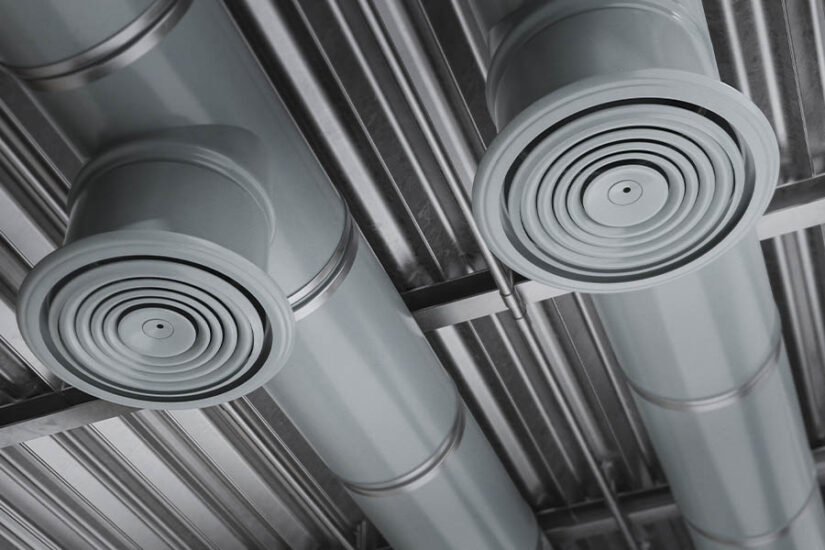
Now that you have the basic idea in mind, here are some common types of ventilation systems that metal buildings will use:
Ridge Vents
Ridge vents are a type of natural ventilation system. They’re installed along a building’s roof and often match the shingles to create a sleek look. These are especially useful if you’re trying to ventilate the attic of your building or let hot air out that rises to the top.
Roof Vents (Gravity and Powered)
Gravity and powered vents are other popular options you may see placed across a metal building’s roof. Gravity vents are a form of natural ventilation that releases hot air that rises inside the building. Alternatively, powered roof vents are a form of mechanical ventilation that uses electric fans to push hot air out and control inside temperatures.
Wall Louvers
You may also see angled-blade vents along the walls of metal buildings that are known as wall louvers. The purpose of these is to provide natural ventilation that lets more air in. They’re often used in combination with some form of roof ventilation like ridge vents.
Gable Vents
Gable vents are a type of louvered vent that’s often used for attics or upper portions of a building. They work similarly to let fresh air in and allow hot air to escape through them.
Turbine Vents
Turbine vents are placed along the roof and come with spinning blades that exhaust hot air and moisture. They’re a form of natural ventilation where the wind moves the blades instead of electricity.
Powered Exhaust Fans
You’ll usually see powered exhaust fans mounted on the roof or walls of a metal building. They’re a form of mechanical ventilation that pulls out hot, humid, or polluted air and draws in fresh air. These are a great option when you do work that emits larger amounts of fumes, dust, or smoke.
Combination Ventilation Systems
Combination ventilation will use elements of both natural and mechanical systems. For example, having ridge vents along the roof and powered exhaust fans mounted on the walls. This can help create a balanced system to operate as efficiently as possible while maintaining good airflow in your space.
Ventilation Requirements by Application
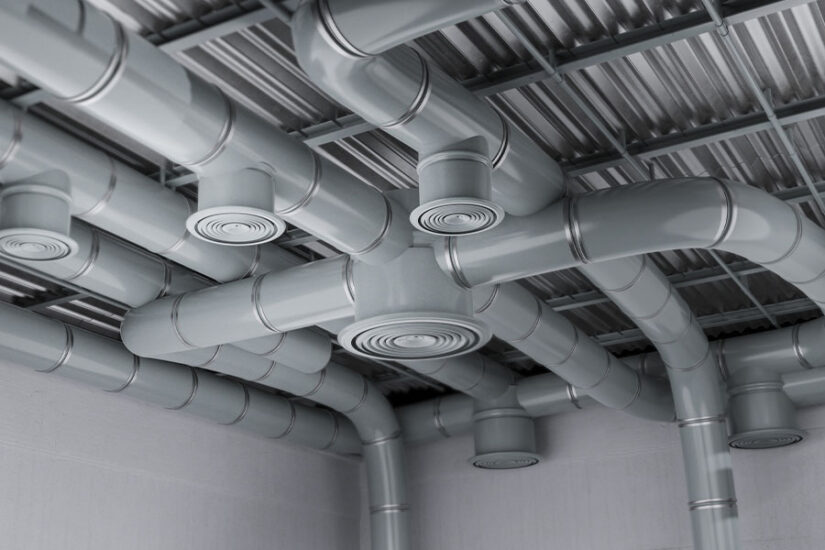
After reviewing all the options, it’s common to wonder what steel building ventilation options are best for different industries and use cases. Here’s a breakdown of some common examples:
- General warehouses, garages, and storage spaces: Smaller general storage areas or garages can often get away with natural ventilation options like ridge and gable vents. However, larger warehouses or garages may want to opt for a combination ventilation system to ensure enough airflow throughout.
- Industrial and manufacturing: Any industrial or manufacturing operations using high-powered machinery inside the building will want to use mechanical ventilation, like powered exhaust fans. That’s due to the heat the machinery generates and potential fumes, vapors, and gases released into the air.
- Automotive and machine shops: Many automotive and machine shops also emit a lot of exhaust, gases, and dust. It’s typically best to go with a powered exhaust system to ensure the best air quality.
- Agricultural: When you’re storing animals in a metal barn, it’s usually best to go with mechanical ventilation to keep the temperature comfortable for them and reduce moisture in the space. However, agricultural storage units for tools or equipment may be able to get away with natural or combination systems.
Choosing the Right Ventilation for Your Metal Building
Aside from the industry or use case, there are also some other elements you can look at when choosing the right ventilation system:
Building Size and Ceiling Height
Buildings with more square footage or higher ceilings may want to opt for mechanical or combination ventilation systems, such as one using powered exhaust fans.
Climate and Regional Conditions
Buildings in hot, humid areas or in locations with severely cold winters will want to go with a more powerful mechanical ventilation system. However, areas where the temperatures are milder and more consistent may be able to get away with natural ventilation in certain industries.
Insulation and Interior Finishes
Better insulation in a building can help with heat and moisture control, which can reduce the load on ventilation systems. It’s often helpful if your metal building’s insulation system includes a vapor barrier to prevent moisture from reaching the cold steel and creating condensation.
Local Building Codes and Regulations
Local building codes for ventilation can differ in each area. It’s a good idea to do some research about regulations in your state to ensure your building is meeting compliance standards.
Benefits of Proper Metal Building Ventilation
To sum things up, here are some benefits you can expect by using the appropriate ventilation system in your metal building:
- Improved temperature control for better comfort when you or your staff are working or for animals stored in barns
- Reduced moisture and condensation buildup to prevent mold buildup or other building hazards
- Extended lifespan of buildings to ensure the structure you invest in lasts a long time
- Adherence to all safety standards based on your industry, location, and the building’s needs
Metal Building Ventilation Solutions from US Patriot Steel
At US Patriot Steel, we’re here to help you find high-quality metal building solutions. We offer both prefab kits and custom design options so you can find the metal building that fits your needs best. That includes custom ventilation options, such as ridge vents, wall louvers, mechanical fans, or combination systems.
We offer nationwide delivery and support across the U.S. with a 60-year structural warranty on our buildings, so you can feel confident in your buying decision.
Ready to see how we can help? Reach out to get a custom quote or contact us with any other questions you have.
Call Us: (888) 415-1576