
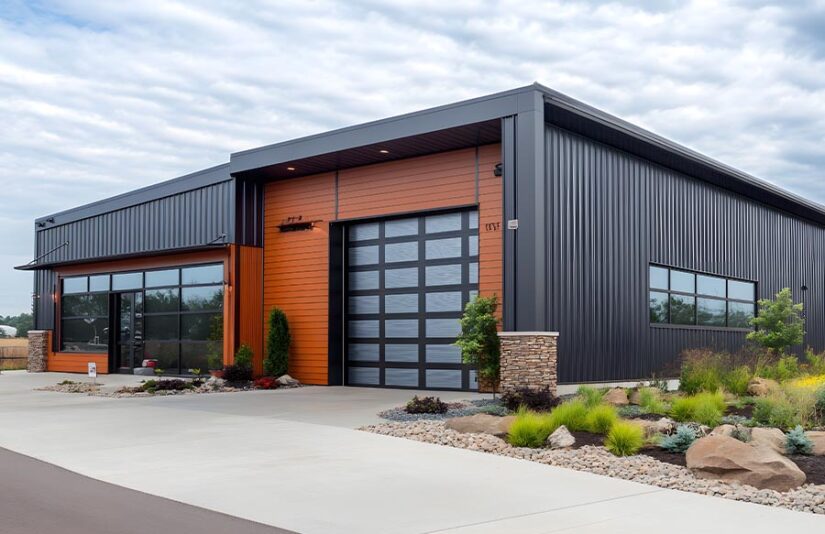
When you invest in a building – whether it’s a garage, barn, commercial facility, or workshop – fire safety should never be an afterthought. Fires can break out for many reasons, from electrical malfunctions to wildfires, and the consequences can be devastating. That’s why more and more property owners across the U.S. are choosing steel buildings for their inherent fire resistance and superior structural integrity under heat.
Let’s explore how steel buildings excel in fire safety, and why they’re a smart, proactive choice for protecting your property, people, and peace of mind.
Why Fire Resistance Matters
A structure’s ability to withstand fire isn’t just about preventing damage – it’s about buying critical time to evacuate, reducing risk to occupants, and limiting the spread of flames to surrounding areas. For rural properties, farms, or remote industrial sites where fire response time may be delayed, the fire-resistant properties of your building materials become even more vital.
Steel vs. Wood
Wood-framed buildings may be cost-effective initially, but they’re highly combustible. Once a fire starts, wood fuels it, compromising structural integrity within minutes.
By contrast, steel does not ignite, and it does not contribute fuel to a fire.
Here’s how they stack up:
| Feature | Wood-Framed Building | Steel Building |
| Combustibility | Highly combustible | Non-combustible |
| Ignition Point | ~572°F (300°C) | ~2,500°F (1,370°C) |
| Structural Degradation | Begins rapidly in fire | Withstands high heat longer |
| Spreads Flames | Yes | No |
Fire-Resistant Features of Steel Buildings
Non-Combustible Frame and Panels
Steel itself does not burn. It may weaken at extreme temperatures, but with proper engineering (such as fire-retardant insulation or fire barriers), a steel building can maintain its structure far longer than wood under fire exposure. This added time can be crucial for first responders and occupants.
Fire-Rated Components Available
US Patriot Steel can customize buildings with fire-rated insulation, roofing, and interior wall panels. These materials further enhance resistance and help meet regional building codes and insurance requirements.
No Hidden Embers
In wood-framed buildings, embers can smolder within cavities long after a fire seems extinguished. Steel doesn’t harbor embers, reducing the chance of re-ignition.
Less Risk of Fire Spread Between Units
For commercial facilities or multi-use metal garages, fire walls and compartmentalized designs help localize any fire that does occur, minimizing damage.
Regional Fire Risks
Certain parts of the U.S. – like California, Arizona, and parts of Texas – face high wildfire risks. In these regions, wildland-urban interface codes (WUI codes) often require buildings to meet specific fire performance standards.
Steel buildings are a natural fit.
- Metal roofs resist flying embers better than shingles.
- Closed eaves and metal siding eliminate vulnerable gaps.
- Custom designs can include fire shutters or sprinkler system integration.
Insurance Benefits of Fire-Resistant Steel Structures
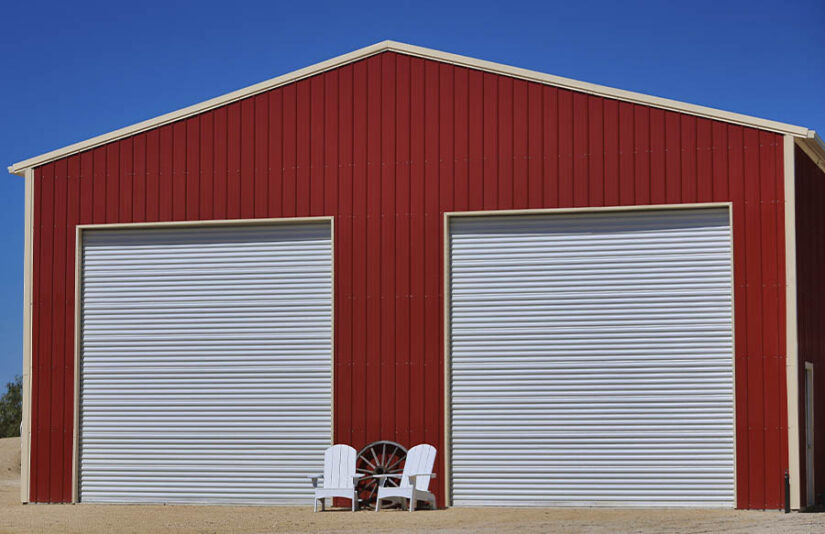
Many insurance companies recognize the lower fire risk of steel buildings and may offer reduced premiums as a result. This can be a significant long-term savings, especially for larger structures like agricultural barns or manufacturing spaces.
Always check with your insurance provider to confirm eligibility for discounts.
Practical Fire Safety Enhancements for Steel Buildings
To make the most of your steel building’s fire resistance, consider these fire safety best practices:
- Install smoke detectors and test them monthly.
- Use non-combustible insulation such as fiberglass or mineral wool.
- Add interior fire barriers between large sections.
- Maintain clear access for fire department vehicles.
- Keep flammable chemicals in separate, ventilated storage rooms.
Fire Resistance Codes and Standards for Steel Buildings
Steel buildings constructed in the U.S. often comply with or exceed the following fire-related standards:
- NFPA (National Fire Protection Association) Standards
- IBC (International Building Code) fire-resistance ratings
- ASTM E119 fire testing for materials and assemblies
At US Patriot Steel, we design each building to meet local zoning laws, snow loads, wind ratings, and fire codes – ensuring your structure is both safe and compliant.
Real World Steel Building Resilience
Steel buildings have repeatedly proven their resilience in real-world fire events—often standing strong while neighboring wood structures were reduced to ashes. These outcomes aren’t just anecdotal; they validate what engineering and testing already confirm: steel protects. That’s why fire safety should never be treated as an afterthought—it should be a baseline feature of any new building. When you choose a steel structure, you’re investing in more than a building; you’re choosing lasting strength, security, and smarter construction. Whether you’re safeguarding livestock, storing valuable equipment, or operating a commercial facility, a fire-resistant steel building from US Patriot Steel delivers the long-term peace of mind you deserve.
Get a Free Quote from US Patriot Steel
Ready to build safer? Let’s talk. Our team of experts will help you design a custom steel structure that meets your exact needs – and stands strong against fire and more.
Get A Free Custom Quote