
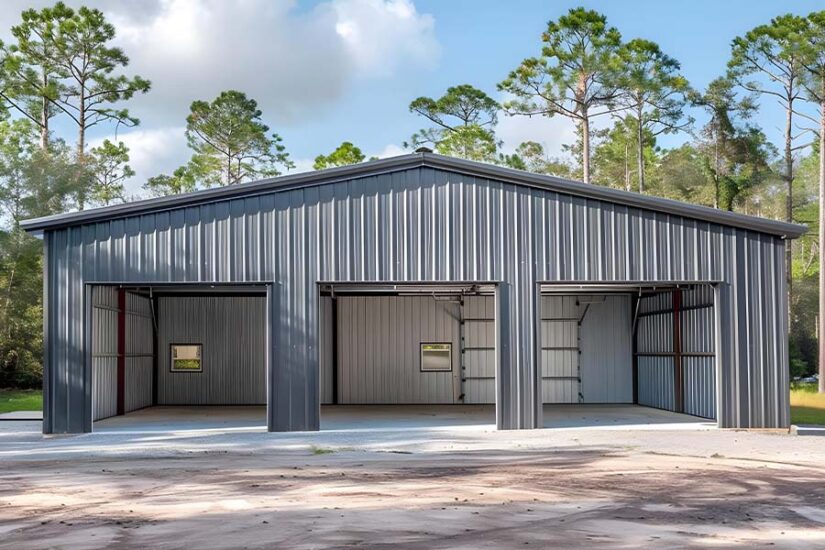
Choosing between a steel carport and a steel garage is a common decision for homeowners, business owners, and property managers. Both structures are designed to protect vehicles and equipment, but they serve different purposes and perform very differently depending on use, climate, budget, and long-term plans.
This article provides a clear, practical comparison to help you determine which steel structure best fits your needs – today and in the future.
Introduction
A steel carport and a steel garage are both steel-framed structures used to protect vehicles and equipment, but they differ fundamentally in design and function. A carport is typically open-sided or partially enclosed, focusing on overhead coverage and easy access. A steel garage, by contrast, is a fully enclosed building with walls and doors that creates a secure, usable interior space.
The goal of this guide is to help you choose the right option based on intended use, budget, climate conditions, and property constraints, rather than relying on assumptions or one-size-fits-all advice.
What Is a Steel Carport?
Steel carports are designed for simplicity, speed, and affordability. They provide essential protection while remaining flexible and relatively easy to install.
Basic Definition and Features
A steel carport is an open-sided or partially enclosed structure supported by steel posts and covered with a metal roof. Typical components include vertical steel columns, roof framing, and optional side or end panels for added weather protection. Carports are usually anchored to concrete slabs, piers, or footings, depending on local code requirements.
Common Use Cases
Steel carports are widely used for everyday vehicle protection, shielding cars and trucks from sun, rain, hail, and light snow. They are also popular as RV and boat covers, farm equipment shelters, and overflow parking solutions for residential, agricultural, and commercial properties.
Pros and Cons of Carports
Carports offer several advantages:
- Lower upfront cost
- Faster installation
- Easier permitting in many jurisdictions
- Excellent airflow and ventilation
The trade-offs include reduced security, limited protection from wind-driven rain or snow, and the fact that a carport is not a conditioned or fully usable indoor space.
What Is a Steel Garage?
Steel garages provide maximum protection, security, and versatility. They are closer to traditional buildings in both function and regulatory treatment.
Basic Definition and Features
A steel garage is a fully or mostly enclosed steel building with exterior walls, doors, and often windows. It can be detached or attached to another structure and typically includes roll-up or sectional overhead doors and lockable walk-in entry doors. Steel garages are designed to support insulation, electrical systems, and interior finishes.
Common Use Cases
Steel garages are used for secure vehicle storage, workshops, hobby areas, and small business or light commercial operations. They are especially well suited for storing tools, equipment, and inventory that require protection from theft and weather.
Pros and Cons of Garages
Advantages include strong security, superior weather protection, the ability to insulate and condition the space, and higher long-term property value. Drawbacks include higher upfront cost, longer construction timelines, and more stringent permitting and foundation requirements.
Key Differences: Carport vs. Steel Garage

The choice between a carport and a garage becomes clearer when the core differences are viewed side by side.
Protection, Security, Cost, and Flexibility Comparison
| Feature | Steel Carport | Steel Garage |
| Weather Protection | Roof-only; limited side protection | Full enclosure from all sides |
| Security | Minimal; open access | High; lockable doors and enclosure |
| Typical Cost | Lower | Higher |
| Installation Speed | Fast | Moderate |
| Foundation Needs | Piers, footings, or light slab | Full slab or engineered foundation |
| Use Flexibility | Covered outdoor space | Enclosed, multi-purpose room |
| Insulation & Utilities | Not practical | Fully supported |
| Permitting Complexity | Often simpler | Usually more stringent |
Foundation and Site Requirements
Carports can often be installed on simpler foundations, while garages typically require a full concrete slab and stricter anchoring. This difference affects both cost and approval timelines.
Aesthetics, HOA, and Permits
Carports generally have a lighter visual footprint and may face fewer HOA or zoning restrictions. Garages are treated as permanent structures and usually require greater compliance with setbacks, permits, and architectural guidelines.
Matching Structure Type to Your Needs
The “right” structure depends heavily on how and where it will be used.
Climate and Weather Conditions
In hot or sunny climates, carports provide shade and airflow that reduce heat buildup. In cold, snowy, or wet climates, garages offer superior protection and allow insulation and heating. In high-wind or hurricane-prone areas, both options may require structural upgrades, but enclosed garages typically provide better debris protection.
How Many and What Type of Vehicles?
Carports work well for single cars or frequently moved vehicles. Larger assets – such as RVs, boats, trailers, or farm equipment – often benefit from carports’ open design and height flexibility. Garages can accommodate these vehicles but usually require taller walls and doors, increasing cost.
Storage and Workspace Requirements
If you only need overhead cover, a carport may be sufficient. If you need secure storage, noise control, dust containment, or privacy, a garage is far more practical. Garages can function as workshops, gyms, or business spaces in ways carports cannot.
Budget and Long-Term Value
Carports favor short-term affordability. Garages favor long-term versatility and value. If there is a strong chance you will want an enclosed, secure space later, building a garage upfront is often more cost-effective than upgrading a carport later.
Design and Customization Options
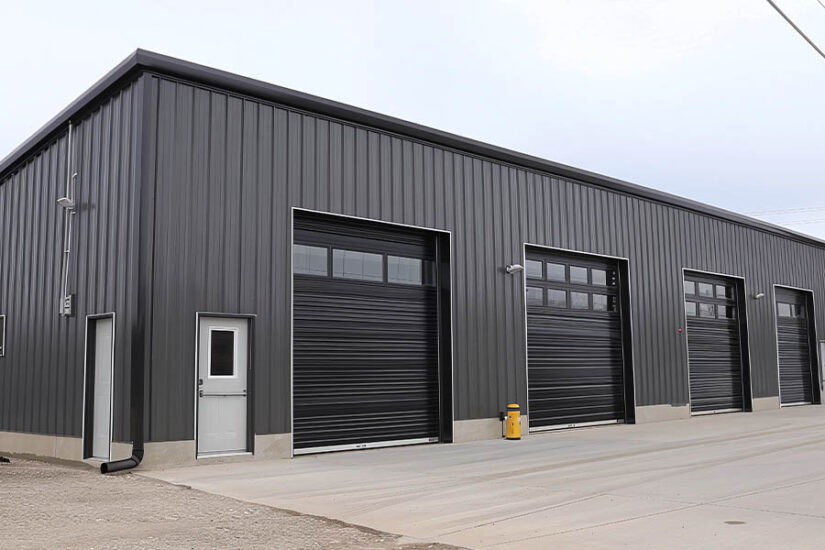
Steel structures are highly customizable, allowing owners to tailor function and appearance.
Customizing a Steel Carport
Carports can be upgraded with different roof styles, side panels, gable ends, and partial enclosures. Taller legs accommodate RVs and equipment, while integrated storage rooms or attached lean-tos add functionality without full enclosure.
Customizing a Steel Garage
Garages support extensive customization: door sizes and placement, windows, interior partitions, insulation, and rough-ins for electrical or plumbing systems. Many owners plan for future expansion during initial construction, keeping long-term options open.
Decision Checklist: How to Choose
Before deciding, ask yourself:
- What is your primary use: basic cover, storage, or workspace?
- What climate and weather risks apply to your location?
- Do you need security and year-round usability?
- What is your realistic budget and installation timeline?
Rules of thumb:
- A carport is usually enough for basic vehicle protection, limited budgets, and fast installation.
- A steel garage is the better long-term choice when security, versatility, and enclosed space matter.
Final Thought
A steel carport and a steel garage are both excellent solutions – when chosen for the right reasons. The best decision is not about which structure is “better,” but which one aligns with how you plan to use the space today and how your needs may evolve tomorrow. Making that choice thoughtfully ensures your investment delivers value for years to come.
Call Us: (888) 415-1576